
Main Courses
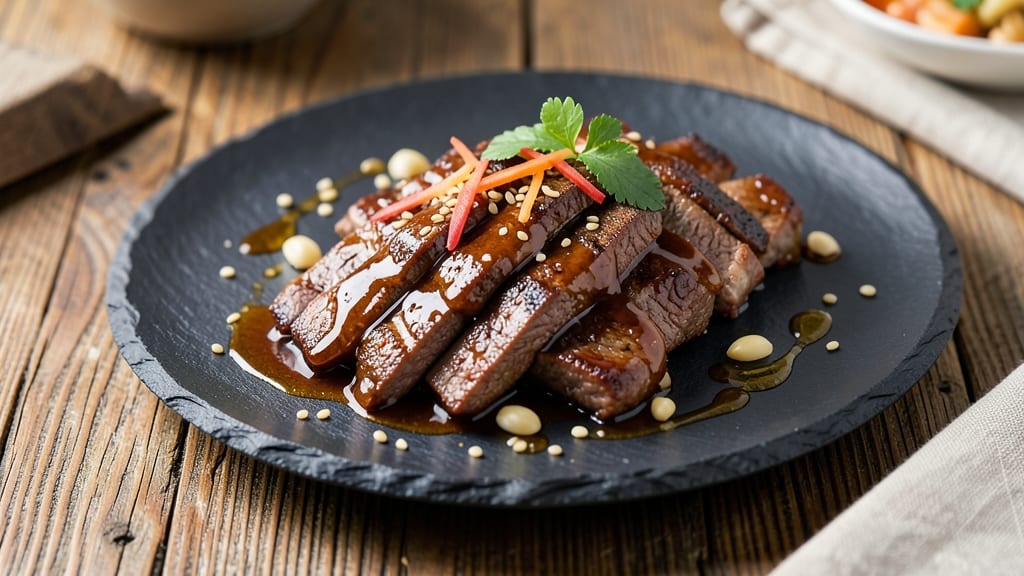
Andy Cooks' Mongolian Beef delivers that signature sweet-spicy balance in every bite—just like your favorite takeout, but with restaurant-quality caramelization in one pan. The secret lies in high-heat searing and a sauce that thickens beautifully while cooking, creating that glossy, sticky glaze we all crave. I’ve refined this recipe over years of testing, ensuring the beef stays tender while developing deep, savory-sweet flavors through controlled caramelization.
What sets this apart is the technique: thinly sliced beef cooks quickly over high heat, absorbing the sauce’s complex flavors without overcooking. The sauce itself is a harmonious blend of soy, brown sugar, and aromatic spices, reduced to a velvety consistency that clings perfectly to the beef.
No special equipment needed—just a sturdy skillet and patience for the sauce to develop its rich, caramelized depth.
By the time you’re done, you’ll have tender, slightly charred beef bathed in a glossy, sweet-spicy sauce that’s impossible to resist. The aroma alone will have everyone gathering around the table, and the first bite delivers that perfect balance of heat, sweetness, and umami that makes this dish a crowd-pleaser.
Serve it over steamed rice for the full experience, or pair it with noodles for a heartier meal.
This recipe is designed to be adaptable—whether you’re making it for a weeknight dinner or a special occasion, the technique remains the same. The key is timing and heat control, which I’ll walk you through step by step. Let’s get cooking!
Ingredients for andy cooks mongolian beef
Thinly sliced beef meets sweet-spicy sauce—this is your one-pan takeout upgrade.
| Ingredient | Amount | Notes |
|---|---|---|
| Flank Steak 🥩 | 1 ½ lb | Thinly sliced against grain |
| Soy Sauce 🍶 | ½ cup | High-quality, light or regular |
| Brown Sugar 🍚 | ¼ cup | Packed for accuracy |
| Garlic Cloves 🧄 | 6 cloves | Minced finely for depth |
| Fresh Ginger 🌿 | 1 tbsp | Grated, not powdered |
| Sesame Oil 🫒 | 1 tbsp | Toasted sesame oil preferred |
| Rice Vinegar 🍶 | 1 tbsp | White or seasoned |
| Cornstarch 🌾 | 1 tbsp | For thickening sauce |
| Vegetable Oil 🫒 | 2 tbsp | High smoke point |
| Red Pepper Flakes 🌶️ | ½ tsp | Adjust for heat preference |
| Green Onions 🧅 | 3 whole | Sliced thin for garnish |
| Sesame Seeds 🌱 | 1 tsp | Toasted for crunch |
| Salt 🧂 | 1 tsp | Kosher or sea salt |
| Black Pepper 🌶️ | ½ tsp | Freshly ground |
The beef is everything here. Flank steak is my go-to because it's lean, affordable, and slices beautifully against the grain. If you can't find flank, sirloin or ribeye work too—just make sure it's thinly sliced. For the best results, ask your butcher to slice it for you, or freeze it for 20 minutes to make slicing easier. I usually grab mine from Costco or the meat counter at Whole Foods—look for good marbling and freshness. The soy sauce should be high-quality; Kikkoman or Lee Kum Kee are my top picks, but any light or regular soy will do.
No sesame oil? Toasted peanut oil works in a pinch, though it'll have a different flavor profile. Short on brown sugar? Honey or maple syrup adds moisture but changes the caramelization slightly. The cornstarch is non-negotiable for that perfect sauce consistency—it's what gives the sauce that glossy, clingy texture. Fresh ginger is ideal, but if you're using powdered, reduce the amount by half. For the garlic, I always use fresh—it makes a world of difference in flavor. If you're feeling fancy, toast your sesame seeds in a dry pan for 30 seconds before adding them to the dish for extra crunch.
This dish reheats beautifully—almost better the next day once the flavors meld. Store leftovers in an airtight container for up to 4 days in the fridge. For longer storage, freeze portions for up to 3 months. I like to portion it into containers with rice so I can grab it for quick lunches. The sauce thickens as it cools, so you might need to add a splash of water or soy sauce when reheating. Garnish with fresh green onions and sesame seeds right before serving to keep everything crisp.
Why You'll Love This Recipe
- Fewer Ingredients, Bigger Payoff: I swear by this—just five pantry staples (plus steak) and you’ve got a dish that tastes like you slaved over it. No weird spices or hard-to-find sauces; just soy, sugar, garlic, ginger, and boom—flavor explosion.
- Sweet-Savory Magic: That brown sugar caramelizing with soy sauce? It’s the kind of balance that makes you close your eyes. The garlic and ginger hit just right—sharp but never overpowering—while the steak stays tender enough to cut with a fork.
- Lunchbox Hero: Between us, this is my go-to for meal prep. Toss the cooled beef with rice in containers, and you’ve got a week’s worth of lunches that’ll make coworkers ask for your recipe. (I’ll share it… eventually.)
- Budget-Friendly Feast: Flank steak stretches far, and the sauce costs pennies. Honestly, I’ve made this for six people for under $20—plus, leftovers reheat like a dream. It’s the kind of dish that makes grocery night feel like a win.
Step-by-step instructions for andy's Mongolian beef
Here's how to create that signature sweet-spicy sauce that caramelizes beautifully in one pan.
Prep the Flank Steak for Perfect Texture
Start by slicing the 1.5 lb flank steak thinly against the grain using a sharp knife. The slices should be about ¼-inch thick—this ensures tender bites. Arrange them on a plate and season generously with 1 tsp salt and 0.5 tsp black pepper. Let them sit for 10 minutes at room temperature before cooking. This step is crucial because cold meat cooks unevenly and can turn tough.
While the steak rests, mince the 6 cloves garlic cloves finely and grate the 1 tbsp fresh ginger using a microplane. The fresh ginger adds a bright, zesty kick that powdered can't match. Keep these prepped ingredients nearby—they'll go in soon.
Build the Sauce Base with Caramelized Flavor
Heat 2 tbsp vegetable oil in a large skillet over medium-high heat until shimmering. Add the sliced flank steak in a single layer, letting it sear undisturbed for 2-3 minutes until lightly browned on one side. Flip carefully and cook another 2-3 minutes until just cooked through—it should still be slightly pink in the center. Remove the steak and set it aside.
In the same skillet, reduce the heat to medium and add 0.5 cup soy sauce, 0.25 cup brown sugar, and 0.5 tsp red pepper flakes. Stir constantly for 3-4 minutes until the sugar begins to caramelize and the mixture thickens slightly. This is where the magic happens—the sugar breaks down into a glossy, flavorful sauce that clings perfectly to the beef.
Finish the Sauce and Combine
Return the steak to the skillet and stir to coat it in the sauce. Add the minced garlic and grated ginger, then pour in 1 tbsp rice vinegar and 1 tbsp sesame oil. Simmer for 1-2 minutes until everything is well combined and the sauce has thickened slightly. The vinegar brightens the flavors, while the sesame oil adds a nutty depth.
In a small bowl, whisk together 1 tbsp cornstarch with 2 tablespoons water to make a slurry. Slowly stir this into the skillet, letting it simmer for another 1-2 minutes until the sauce reaches your desired consistency—it should coat the back of a spoon but still be pourable. Taste and adjust seasoning if needed.
Garnish and Serve Immediately
Slice the 3 whole green onions thinly and sprinkle them over the Mongolian beef. Toast 1 tsp sesame seeds in a dry skillet for 30 seconds until fragrant, then sprinkle those over the top as well. The green onions add a fresh contrast to the rich, sweet-spicy sauce, while the sesame seeds bring a delightful crunch.
Serve the Mongolian beef immediately over steamed rice or noodles. The sauce should be glossy and cling beautifully to the beef, with a perfect balance of sweetness from the caramelized sugar and a subtle kick from the red pepper flakes. Each bite delivers tender beef with that signature umami-packed sauce you love.
Pro Tips For Making Andy Cooks Mongolian Beef
- Slice Against the Grain: Flank steak’s fibers run long, and cutting them wrong means dry, chewy bites. Slice perpendicular to the grain before cooking—yes, even if it looks messy—and then slice with the grain after searing. I learned this after serving my roommate a forkful of rubbery beef and watching them silently hand me their plate.
- Deglaze with Soy First: That dark, sticky fond at the bottom of your pan? Don’t waste it. Pour in half the soy sauce first, scrape it up, then add the rest of the sauce and sugar. The initial deglaze pulls more flavor from the meat and caramelizes faster—no more watery sauce or missed depth. (And skip the wine unless you’re feeling fancy; soy’s the star here.)
- Ginger: Grate, Don’t Mince: Pre-chopped ginger loses its punch, and mincing it just makes it disappear into the sauce. Use a microplane or the largest holes of a box grater—you’ll get more surface area and a brighter, fresher flavor. I used to eyeball it, but now I measure: 1 teaspoon grated ginger for every 2 cloves minced. The difference is night and day.
- Rest the Steak—Seriously: Flank steak needs a breather. After searing, tent it with foil and let it sit for 10 minutes before slicing—no excuses. I know, you’re hungry, but rushing this step turns tender meat into sad, stringy strips. If you’re really impatient, slice it thinner, but don’t skip the rest entirely. Your knife will thank you.
Wine and beer pairings for this andy cooks mongolian beef
Red Wine Pairings
A bold, dry Shiraz from Australia or a Zinfandel from California complements the dish beautifully. The wine's dark fruit notes and peppery finish mirror the caramelized sweetness and subtle heat of the sauce.
I reach for a Penfolds Bin 389 Shiraz—its rich berry flavors and velvety texture stand up to the dish's depth without overpowering it. Serve slightly chilled to enhance the wine's acidity and balance the meal's richness. 🍷
Light Beer Options
For beer lovers, a crisp Japanese lager like Asahi Super Dry or Sapporo works wonders. The clean, slightly sweet profile cuts through the sauce's intensity while letting the beef's savory notes shine.
Alternatively, a Belgian witbier with its citrusy coriander and orange peel notes adds a refreshing contrast to the dish's sweet-spicy profile. Keep the beer well-chilled to avoid muting its crispness. 🍺
Rosé for Balance
If you prefer white wine, a dry Provence rosé with its delicate strawberry and citrus notes provides the perfect balance. The wine's subtle sweetness harmonizes with the caramelized sauce, while its acidity keeps the palate fresh.
I love Whispering Angel—its crisp finish cleanses the palate between bites of tender beef. Serve at 50-55°F to preserve its bright, fruity character. ✨
Spiced Rum Cocktail
For a non-alcoholic or boozy twist, try a ginger-spiked iced tea with a splash of dark rum and a dash of lime. The ginger echoes the dish's fresh ginger flavor, while the rum adds warmth.
For a mocktail, mix 1 cup brewed hibiscus tea, ½ cup ginger beer, and 1 tbsp lime juice over ice. The tartness and spice complement the beef's sweet-spicy sauce perfectly. 🍹
Sake for Tradition
If you're serving this dish with rice, a dry junmai sake like Dassai elevates the experience. The sake's clean, slightly nutty profile enhances the umami in the beef without competing with the sauce.
Serve it chilled to highlight its crispness. For a warmer option, try a nigori sake—its slightly sweet, creamy texture mirrors the caramelized sauce's depth. 🍶
Nutrition facts
Frequently asked questions
Can I substitute flank steak with another cut?
Sirloin or ribeye work perfectly—they're both tender when sliced thinly against the grain. Avoid tougher cuts like chuck or round, as they won't stay tender with this quick cooking method. If using sirloin, trim excess fat first for cleaner results.
How do I make the sauce gluten-free?
Swap the soy sauce for tamari (gluten-free soy sauce) or a mix of coconut aminos and a splash of hoisin sauce (check for gluten-free labels). The cornstarch can be replaced with arrowroot powder for thickening. The flavor will be slightly different but still delicious!
Why is my sauce too thin or too thick?
Sauce consistency depends on timing and cornstarch. For thinner sauce, simmer longer without adding more cornstarch. For thicker sauce, mix ½ tbsp cornstarch with 1 tbsp water and stir in at the end. If it's too thin, reduce heat and let it thicken naturally—don't rush it with high heat.
Can I prep the marinade ahead of time?
Yes! Mix all sauce ingredients (except cornstarch) in a bowl and refrigerate for up to 3 days. When ready to cook, add the cornstarch slurry at the end. For best flavor, use within 2 days—the caramelization develops more fully when fresh.
What's the best way to reheat leftovers?
Gently reheat in a skillet over low-medium heat with 1 tbsp water or broth to prevent drying. Avoid microwaving—it makes the sauce watery. For extra flavor, add a splash of soy sauce or a pinch of brown sugar while reheating. Leftovers taste even better the next day!