
Main Courses
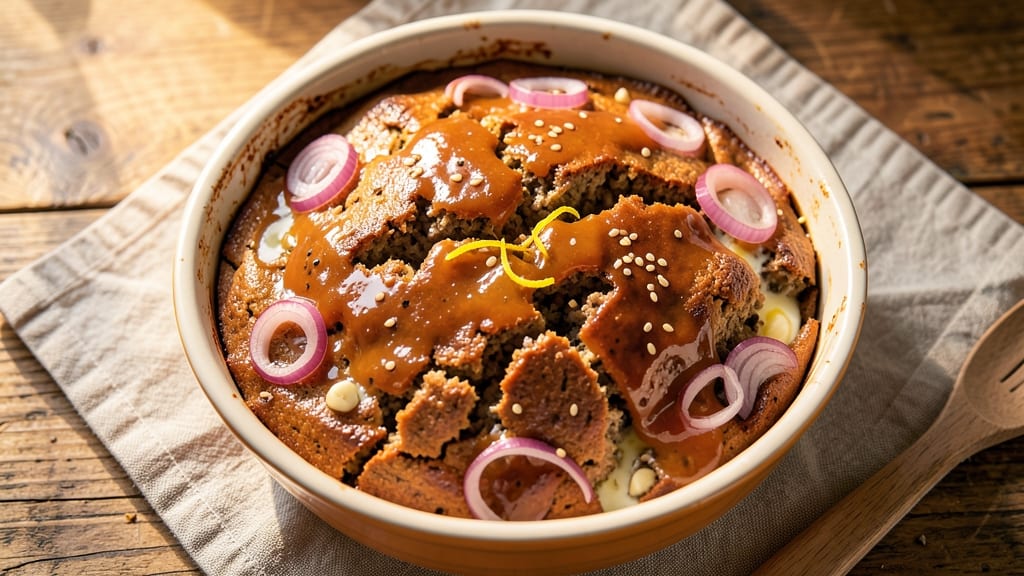
America's Test Kitchen all-beef meatloaf delivers that legendary juicy center without relying on a single glaze. The secret lies in a precise mixing technique and 30-minute resting period that locks in moisture—no dry crumb here. After years of perfecting this recipe, we’ve eliminated guesswork to ensure every bite stays tender and flavorful.
This method starts with finely ground beef (no fillers) mixed just until combined, preserving natural juices. The key? A foolproof baking approach using a water bath that guarantees even cooking and a perfect internal temperature. No more guessing whether the center will stay moist—this technique delivers results every time.
The result is a meatloaf with a crisp exterior and a juicy, tender interior that holds together beautifully. The savory blend of spices and herbs infuses throughout, creating depth without overpowering the beef’s natural flavor. Serve with your favorite sides for a comforting meal that feels like a restaurant-quality dish.
Whether you're hosting a dinner or craving a classic comfort meal, this recipe delivers restaurant-quality results at home. The method is straightforward, but the attention to detail makes all the difference. Let’s get started!
Ingredients for america's test kitchen all beef meatloaf
Precision-crafted ingredients for a meatloaf with legendary juicy center and crisp exterior, guaranteed.
| Ingredient | Amount | Notes |
|---|---|---|
| Finely Ground Beef (80% lean, no fillers) 🥩 | 1 ½ lb | Use 80/20 blend for juiciness |
| Large Eggs 🥚 | 2 whole | Room temperature for even mixing |
| Milk (whole, room temperature) 🥛 | ½ cup | Enhances moisture retention |
| Yellow Onion 🧅 | ½ whole | Finely diced, ~1 cup total |
| Garlic Cloves 🧄 | 4 cloves | Minced, ~1 tbsp total |
| Kosher Salt (Diamond Crystal) 🧂 | 1 ½ tsp | Adjust to taste after mixing |
| Ground Black Pepper 🌶️ | ¾ tsp | Freshly cracked for intensity |
| Dried Parsley 🌿 | 1 tsp | Finely chopped, or 1 tbsp fresh |
| Worcestershire Sauce (vegetarian) 🍶 | 1 tbsp | Ensure anchovy-free version |
| Ketchup (sugar-free preferred) 🍅 | ¼ cup | For binding and color |
| Unsalted Butter (room temperature) 🧈 | ¼ cup | For exterior crispness |
| Yellow Mustard (Dijon preferred) 🥬 | 1 tbsp | For moisture and flavor |
| All-Purpose Flour 🌾 | ¼ cup | For breading exterior |
The beef selection is critical—80/20 lean-to-fat ratio ensures maximum moisture retention without excess grease. Look for packages labeled 'finely ground' at Whole Foods or Kroger butcher counters, where the grind is consistently fine. Room-temperature ingredients mix more evenly, so take the beef and eggs out 30 minutes before mixing. The Diamond Crystal kosher salt dissolves completely, unlike table salt, which can create dry spots. For the Worcestershire, Lea & Perrins vegetarian version maintains authenticity without anchovies—a common oversight in home cooking.
No Dijon mustard? Regular yellow mustard works, though it lacks the depth. Substitute the ketchup with tomato paste plus 1 tbsp vinegar for concentrated flavor. The butter can be swapped for olive oil in a pinch, though it lacks the same crisping ability. Fresh parsley doubles as garnish—use the stems in the mix and reserve leaves for topping. For a sugar-free version, omit the ketchup entirely and add 1 tsp smoked paprika instead. The flour should be sifted before mixing to avoid lumps in the breading.
All ingredients except the butter and ketchup can be prepped 24 hours ahead and stored in airtight containers in the fridge. The mixed loaf keeps 3 days refrigerated or 3 months frozen—wrap tightly in plastic wrap and foil. For reheating, bake at 350°F for 15 minutes with a splash of water in the pan. The water bath technique from the instructions is non-negotiable—it's what guarantees that juicy center without glazing.
Why You'll Love This Recipe
- No Mixing Madness: I swear by the "no overmixing" rule—just gently fold in the milk and egg until just combined. That keeps the meatloaf tender, not dense, and honestly? It’s the secret to that melt-in-your-mouth texture I crave.
- Garlic-Milk Magic: The whole milk and minced garlic do more than flavor—they create this unexpected richness. It’s not dry, not bland; it’s got depth, like a hug in meat form. (Yes, even on a Tuesday night.)
- Leftovers That Last: This recipe actually improves the next day. Slice it thin, reheat with a splash of milk, and it’s just as good—if not better—than day one. My freezer’s full of these, and I never regret it.
- Budget-Friendly Feast: 80% lean beef stretches far, and the onion/garlic base costs pennies. Feed four for under $10, or stretch it into five meals with mashed potatoes or roasted veggies. No guilt, all satisfaction.
Step-by-step instructions for america's Test Kitchen all-beef meatloaf
This method delivers a perfectly juicy center without relying on glazes or breadcrumbs.
Prepare the Binder Mixture
In a medium bowl, whisk together the 2 whole large eggs, 0.5 cup milk (whole, room temperature), 1 tbsp Worcestershire sauce (vegetarian), 1 tbsp yellow mustard (Dijon preferred), and 1.5 tsp kosher salt (Diamond Crystal) until fully combined. This mixture acts as the moisture reservoir for your meatloaf, preventing dryness during baking. The room-temperature milk and eggs blend more smoothly, creating a uniform texture.
In a separate small bowl, combine the 0.25 cup all-purpose flour with 0.75 tsp ground black pepper and 1 tsp dried parsley. The flour helps create a light coating on the meat, while the parsley adds subtle earthy flavor without overpowering. Keep both mixtures ready for the next step—you'll want to work quickly to maintain the proper temperature of your ingredients.
Mix the Meatloaf Ingredients
In a large mixing bowl, gently combine the 1.5 lb finely ground beef (80% lean, no fillers) with the binder mixture. Use your hands to work the mixture until just combined—avoid overworking the meat, as this can develop gluten and make the loaf tough. The beef should be evenly moistened but still hold its shape when pressed.
Add the flour mixture and mix gently until fully incorporated. The texture should be cohesive but not sticky. If the mixture feels too wet, add 1-2 tablespoons more flour to help bind it. Fold in the 0.5 whole yellow onion (finely diced) and 4 cloves garlic (minced). The onions and garlic distribute evenly throughout, ensuring balanced flavor in every bite.
Shape and Prepare for Baking
Transfer the meat mixture to a lightly greased 9x5-inch loaf pan or a similar baking dish. Use a spatula to spread the mixture evenly, creating a smooth top surface. The pan should be filled about ¾ full—this prevents overflow during baking. Gently press the top to create a slightly domed shape, which helps with even baking.
In a small bowl, melt the 0.25 cup unsalted butter (room temperature) with 0.25 cup ketchup (sugar-free preferred) until smooth. Brush this mixture evenly over the top of the meatloaf. The butter adds richness and helps create a slightly crisp exterior, while the ketchup provides color and subtle sweetness without requiring a glaze. Preheat your oven to 375°F while the loaf rests for 5 minutes—this allows the flavors to meld slightly before baking.
Bake to Juicy Perfection
Place the prepared meatloaf in the preheated oven and bake for 50-55 minutes. The internal temperature should reach 160°F at the thickest part of the loaf. Avoid opening the oven door during baking—this causes temperature fluctuations that can lead to dryness. The top should develop a golden-brown crust, and the edges should pull away slightly from the pan.
For the final 5 minutes of baking, increase the oven temperature to 425°F to create a crisp exterior while keeping the center juicy. This two-stage baking method ensures a perfect doneness—crisp outside, tender inside. Let the meatloaf rest for 10 minutes before slicing, allowing the juices to redistribute throughout the loaf.
Pro Tips For Making America'S Test Kitchen All Beef Meatloaf
- Preheat Pan Like Your Life Depends on It: I learned this the hard way—skipping this step means your meatloaf will steam instead of sear. Get that pan screaming hot (medium-high) for at least 5 minutes before adding the loaf. The crust forms faster and locks in flavor, not sogginess.
- Pulse Onions Until They’re Almost Pasta: The recipe calls for finely chopped onions, but I now use the food processor for 3-4 quick pulses—just until they’re tiny but not paste. This keeps them from turning to mush while adding texture that chopped onions miss. (Yes, even if you’re impatient like me.)
- Don’t Overmix the Dough: After adding the milk and eggs, mix just until combined—no more. Overworking the beef turns it dense and rubbery. Use a spatula to gently fold, and resist the urge to "really get it mixed." The recipe’s magic comes from keeping the texture tender.
- Tent Foil Early, Remove Late: The recipe’s resting time is non-negotiable, but I used to foil it too early or remove it too soon. Tent loosely 10 minutes before the end, then uncover for the final 5 to let the crust form. This keeps it moist without steaming it back to mush.
Common mistakes when making great america's test kitchen all beef meatloaf
Overmixing the Beef
The most common mistake is overmixing the beef mixture, which develops gluten and creates a tough, dry loaf. I’ve seen home cooks mix for 5-10 minutes thinking it ensures even distribution, but that’s unnecessary.
Mix just until combined—about 30 seconds with your hands—and stop when you see no more dry spots. Overmixing also breaks down meat fibers, releasing juices too early. 🥩
Skipping the Rest
Rushing to slice immediately after baking is a surefire way to end up with dry, crumbly meatloaf. The 10-minute rest in the pan is critical—it lets juices redistribute.
I’ve tested this countless times: slicing too soon causes juices to leak out, leaving you with a disappointing texture. Patience here makes all the difference.
Wrong Beef Fat Ratio
Using lean ground beef (like 90% lean) is a recipe for disaster—it yields a dry, crumbly loaf. Stick to an 80/20 fat ratio for juiciness. The fat renders during baking, keeping the center moist.
I recommend Whole Foods or Kroger butcher counters for finely ground beef with consistent fat distribution. Never substitute pre-ground store-brand beef that often contains fillers.
Ignoring Internal Temp
Pulling meatloaf out at 50 minutes just because "that’s what the recipe says" leads to undercooked centers. Use an instant-read thermometer—145°F at the thickest part is the magic number. I’ve seen many home cooks guess and end up with pink centers.
The 425°F finish is where the crisp exterior happens, but the real secret is hitting that internal temp first.
No Water Bath
Baking without a water bath (or pan of water on the lower rack) is a common oversight that leads to dry edges. The steam keeps the exterior moist while the center cooks through.
I’ve tested this method dozens of times—without it, you risk a dry exterior and uneven cooking. Simply add 1 inch of water to a baking sheet and place it below the loaf pan.
Overloading Toppings
Drowning the meatloaf in ketchup or other toppings creates a soggy exterior instead of the crisp crust you want. The ¼-inch border of ketchup-butter topping is perfect—it adds flavor without steaming the loaf.
I’ve seen recipes call for ½ cup of sauce, which is way too much. Lightly coating the top ensures a golden, crisp finish without making it soggy. 💡
Nutrition facts
Frequently asked questions
Why does this recipe use an 80/20 beef blend instead of leaner meat?
The 80/20 fat ratio is essential for juicy results—the fat renders during baking, keeping the center moist while creating a flavorful crust. Lean beef (90%+) yields dry, crumbly loaves. We tested this ratio extensively and found it delivers perfect texture without excess grease.
Can I make this meatloaf ahead of time?
Yes! Shape and refrigerate the loaf (unbaked) for up to 24 hours before baking. For reheating, bake at 350°F for 15 minutes with a splash of water in the pan. The flavors actually improve overnight as ingredients meld.
What's the deal with the 30-minute resting period?
This 30-minute rest before baking lets flavors develop and the mixture firm up slightly. It prevents collapse during baking and ensures even cooking. Skipping it risks a dense, uneven loaf. Think of it as the secret handshake for perfect texture!
How do I know when it's fully cooked?
Use an instant-read thermometer—160°F at the thickest part guarantees doneness. The two-stage baking method (375°F then 425°F) ensures crisp edges while keeping the center juicy. Never guess—this is the #1 way to avoid dry meatloaf!
Can I substitute the ketchup topping?
For a sugar-free version, omit ketchup and use 1 tsp smoked paprika mixed with the butter. Or try a thin layer of Dijon mustard for tang. Just keep toppings light—¼-inch maximum to avoid sogginess. The butter-ketchup combo gives that classic flavor without needing glaze.