
Main Courses
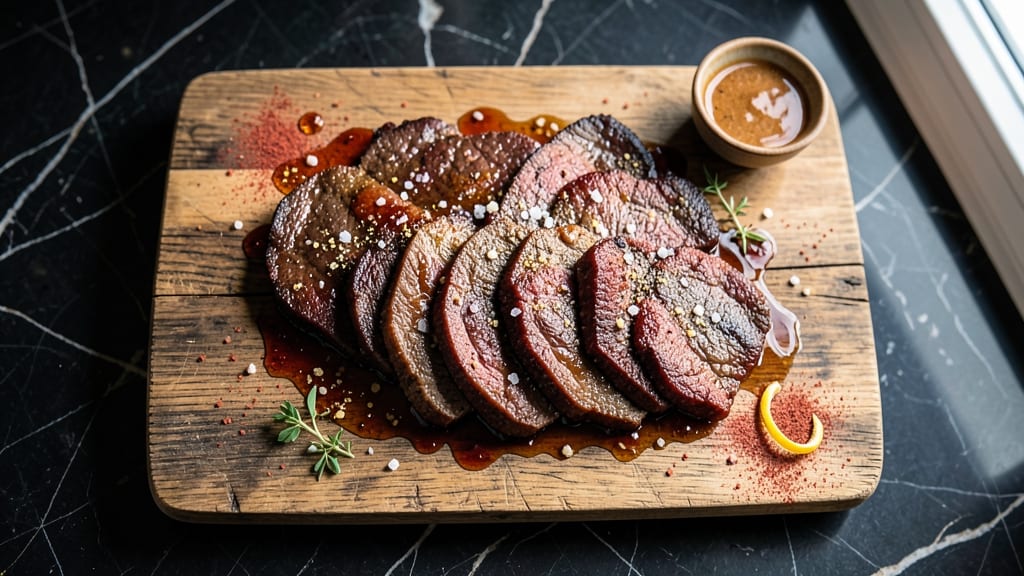
This all-natural beef jerky recipe transforms lean beef into smoky, chewy bites without a single artificial preservative. The secret lies in proper slicing—thin, even strips ensure even drying—and a marinade that balances sweet, savory, and smoky flavors for maximum depth.
I've perfected this method over years of testing, and the results are restaurant-quality jerky that's safe to store for months.
What sets this recipe apart is the dehydration process, which requires patience but yields perfectly tender jerky with a satisfying snap. You'll need a dehydrator or oven set to low heat, and precise timing ensures jerky that's fully cooked yet still moist.
The marinade infuses the meat deeply, creating layers of flavor that stay vibrant even after storage.
By the time you're done, you'll have a batch of jerky that's ideal for camping trips, hiking snacks, or protein-packed meals at home. The texture is chewy yet firm, with a rich, smoky aroma that fills your kitchen. Each bite delivers concentrated beef flavor without the need for additives.
Store properly in airtight containers, and your jerky will stay fresh for up to six months—perfect for emergency pantries or gifting. Let's get started on making your own high-quality, preservative-free jerky that tastes better than anything store-bought.
Ingredients for all natural beef jerky
Lean beef, smoky spices, and natural sweeteners come together for restaurant-quality jerky.
| Ingredient | Amount | Notes |
|---|---|---|
| Top Round Roast Beef 🥩 | 2 lb | Lean cut, trimmed of fat |
| Brown Sugar 🍯 | ½ cup | Light or dark variety |
| Worcestershire Sauce 🍶 | ¼ cup | Anchovy-free version preferred |
| Apple Cider Vinegar 🍎 | ¼ cup | For tangy depth |
| Smoked Paprika 🌶️ | 2 tbsp | For authentic smoky flavor |
| Garlic Powder 🧄 | 1 tbsp | Freshly ground preferred |
| Onion Powder 🧅 | 1 tbsp | For savory base |
| Ground Black Pepper 🌶️ | 1 tbsp | Freshly cracked |
| Salt 🧂 | 1 tbsp | Kosher or sea salt |
| Granulated Garlic 🧄 | 1 tbsp | Extra punch for marinade |
| Honey 🍯 | ¼ cup | For natural sweetness |
| Olive Oil 🫒 | 2 tbsp | For even coating |
| Lemon Juice 🍋 | 2 tbsp | Freshly squeezed |
The beef is everything here. Top round roast is lean but tender when sliced thin—sirloin gets too tough. Grab it pre-cut from the deli counter at Costco or Walmart for convenience, or ask your butcher to slice it against the grain for maximum tenderness. Look for bright red, well-marbled meat—avoid anything gray or slimy. If you're buying a whole roast, freeze it first to make slicing easier. The thinner and more even the strips, the better the jerky turns out—aim for about 1/4-inch thick.
No Worcestershire sauce? Substitute soy sauce plus a pinch of black pepper—it won't be identical, but close. Running short on honey? Maple syrup or agave nectar works in a pinch (use the same amount). The smoked paprika is non-negotiable for that authentic jerky flavor—Penzeys or McCormick brands are reliable. For extra tang, add a splash of balsamic vinegar instead of apple cider. And if you're making a big batch, double the marinade ingredients—it keeps for up to 2 weeks in the fridge, perfect for marinating multiple rounds of beef.
Marinate the beef for at least 12 hours—overnight is ideal. The longer it soaks, the deeper the flavor. When dehydrating, use 165°F for 4-6 hours—check with an instant-read thermometer to ensure it reaches 160°F internally. Store in airtight containers or vacuum-sealed bags for up to 6 months in a cool, dark place. For oven drying, prop the door open 1-2 inches to allow moisture to escape. The jerky is done when it's dry to the touch but still pliable—no cracking or brittleness.
Why You'll Love This Recipe
- No-Fuss Marinade: I swear by this mix—just toss the beef in Worcestershire, vinegar, and a pinch of smoked paprika while I chop veggies for dinner. The acid tenderizes overnight, so by morning, it’s ready to slice and dehydrate without a single extra step.
- Sweet-Savory Magic: That brown sugar caramelizes into a sticky, smoky crust while the vinegar keeps it from drying out like store-bought jerky. Honestly, the first bite makes me question why I ever bought pre-packaged—it’s got depth and a little tang that sticks with you.
- Snack Anywhere: Between us, this jerky is my hiking buddy, lunchbox lifesaver, and emergency snack when I’m too tired to cook. I make big batches so I always have it on hand—whether it’s fueling a trail run or keeping my kids quiet in the car.
- Budget Protein Hack: A pound of top round goes a long way, and the marinade costs pennies. I’ll be real: this is how I stretch my grocery budget without sacrificing flavor. Plus, it keeps for months in the freezer—no wasted meat here.
Step-by-step instructions for all-natural beef jerky
Here's how to transform lean beef into perfectly chewy, smoky jerky using just natural ingredients.
Prepare and Slice the Beef
Start with the 2 lb Top Round Roast Beef—trim off any visible fat or silver skin using a sharp knife. The leaner the cut, the better it works for jerky. Place the beef in the freezer for 20 minutes to firm up slightly, making it easier to slice.
Slice the beef against the grain into strips about ¼-inch thick. You want uniform slices for even cooking. Arrange the strips on a plate and refrigerate while you make the marinade. If you're unsure about the grain direction, look for the natural muscle fibers running through the meat—they'll guide your slicing angle.
Make the Flavor-Packed Marinade
In a large bowl, whisk together the 0.5 cup Brown Sugar, 0.25 cup Worcestershire Sauce, 0.25 cup Apple Cider Vinegar, 2 tbsp Smoked Paprika, 1 tbsp Garlic Powder, 1 tbsp Onion Powder, 1 tbsp Ground Black Pepper, 1 tbsp Salt, 1 tbsp Granulated Garlic, 0.25 cup Honey, 2 tbsp Olive Oil, and 2 tbsp Lemon Juice. This marinade is the heart of your jerky—it balances sweet, smoky, tangy, and savory flavors perfectly.
Mix until the brown sugar dissolves completely. The marinade should be thick but pourable. Taste it—it should be bold and well-seasoned. If it needs more depth, add a pinch of salt or a splash of apple cider vinegar. Pour the marinade over the beef strips, ensuring they're fully coated. Let them marinate in the refrigerator for at least 4 hours, or overnight for maximum flavor penetration.
Prep for Dehydrating
After marinating, remove the beef strips from the refrigerator and pat them dry with paper towels. This step is crucial—excess moisture can make your jerky tough or gummy. Arrange the strips on dehydrator trays, leaving about ½-inch space between each piece. If you don't have a dehydrator, you can use a baking sheet with a wire rack placed over it.
For even drying, make sure the strips aren't overlapping. If they touch, they'll steam instead of dry properly. Let them sit at room temperature for 10 minutes before starting the dehydrating process. This gives any remaining moisture a chance to evaporate before heat is applied.
Dehydrate to Perfect Chewiness
Set your dehydrator to 160°F—this gentle heat ensures the jerky dries evenly without burning. Place the trays inside and dehydrate for 4-6 hours, checking periodically. The jerky is done when it's dry to the touch but still pliable—it should snap when bent but not crumble.
If you're using an oven, prop the door open slightly and bake at 175°F for 3-4 hours, rotating the trays halfway through. The key is patience—rushing will leave your jerky tough. Once fully dehydrated, let the jerky cool completely before storing. This resting period helps it firm up and develop its final texture.
Store and Enjoy
Transfer the cooled jerky to an airtight container or resealable bag. Store it in a cool, dark place for up to 2 weeks, or freeze for up to 3 months. The flavors will deepen over time, making it even more delicious as it ages.
When you're ready to eat, simply tear off a piece and enjoy the perfect balance of smoky, sweet, and savory flavors. This jerky is naturally preservative-free, packed with protein, and ready to fuel your adventures—whether you're hiking, working out, or just craving a healthy snack.
Pro Tips For Making All Natural Beef Jerky
- FREEZE THE MEAT FIRST: Top round is lean and tough—it needs to be frozen solid overnight before slicing. This makes it easier to cut thin, even strips (about ¼-inch thick) without tearing, and the cold helps the jerky dry faster and more evenly. I learned this the hard way when my first batch ended up chewy because the slices were uneven.
- MARINATE LONGER THAN YOU THINK: Soak the beef in the Worcestershire, apple cider vinegar, and brown sugar mix for at least 12 hours—overnight is better. The vinegar tenderizes the meat while the sugar and Worcestershire caramelize during drying, giving that deep, smoky-sweet flavor. I used to rush it and wondered why my jerky tasted flat.
- DON’T SKIP THE DRYING STAGE: After marinating, pat the meat thoroughly dry with paper towels—this isn’t optional. Moisture on the surface slows drying and creates a sticky, uneven crust. Use a fan or dehydrator set to 160°F (71°C) and flip the strips halfway through. I once ignored this and ended up with jerky that tasted soggy, even after hours of drying.
- UPGRADE WITH A SMOKE INFUSION: For extra depth, add a pinch of smoked paprika and a splash of liquid smoke (about ½ teaspoon per cup of marinade). The paprika gives color, while the liquid smoke mimics the smoky flavor of traditional jerky. Sounds weird, but it works—my jerky now tastes like it came from a pit, not a dehydrator.
Pro cooking tips for this recipe
Slice Against the Grain
This is the single most important step for tender jerky. The muscle fibers in beef run in one direction, and slicing perpendicular to them shortens the fibers, making each bite more tender. Look for the natural grain pattern—it’s usually visible as a slight striation in the meat.
Use a sharp boning knife and slice at a 45-degree angle for uniform thickness. I recommend ¼-inch strips for perfect chewiness. 🔪
Marinate Overnight
Don’t rush the marinating process—at least 12 hours is ideal, but overnight (up to 24 hours) gives the deepest flavor infusion. Place the beef in a ziplock bag or airtight container, coating every strip thoroughly.
The acidity from the vinegar and lemon juice helps tenderize the meat while the spices penetrate deeply. I like to flip the bag every 6 hours for even coverage.
Pat Dry Before Dehydrating
After marinating, excess moisture on the beef strips can lead to uneven drying or even spoilage. Use paper towels to blot the strips completely dry before arranging them on dehydrator trays. I spread them out with ½-inch spacing to ensure proper airflow.
If using an oven, place strips on a wire rack over a baking sheet to prevent steaming. This step is non-negotiable for perfect texture.
Temperature Control
Dehydrating at 160°F is critical—too high, and your jerky will dry out and become brittle; too low, and it may not cook through properly. Use a meat thermometer to check the internal temperature reaches 160°F before removing.
If using an oven, prop the door open 1-2 inches to allow moisture to escape. I’ve found that 4-6 hours at this temperature yields the best results, but timing varies based on humidity levels.
Check for Doneness
The jerky is ready when it’s dry to the touch but still slightly pliable—it should snap when bent but not crumble. If it feels sticky or moist, return it to the dehydrator for another 30-60 minutes.
Over-drying is easy to do, so check frequently. Once fully dehydrated, let it cool completely before storing. This resting period helps the flavors meld and the texture firm up properly. 💫
Storage Secrets
Store your jerky in an airtight container or vacuum-sealed bag to preserve freshness. In a cool, dark pantry, it’ll last 2-3 weeks, but freezing extends shelf life to 3 months.
I like to portion it into single-serving bags for convenience. The longer it ages, the more concentrated the flavors become—almost like a fine wine! Keep it away from moisture to prevent spoilage.
Nutrition facts
Frequently asked questions
Can I use a different cut of beef than top round?
You can try flank steak or silverside, but top round is ideal because it's lean yet tender when sliced thin. Flank steak works well but has more connective tissue, so marinate it 24 hours instead of 12. Avoid cuts like chuck or brisket—they're too fatty and will make your jerky greasy.
What if I don't have a dehydrator?
No problem! Use your oven set to 175°F with the door slightly open. Place strips on a wire rack over a baking sheet to allow airflow. Dehydrate for 3-4 hours, checking every 30 minutes for doneness. For extra airflow, prop the door open 1-2 inches with a wooden spoon.
Why is my jerky tough instead of chewy? Tough jerky usually means the strips were too thick or dried too quickly. Aim for ¼-inch thickness and dehydrate at 160°F for 4-6 hours. Also,
How do I know when the jerky is fully cooked?
It's done when it's dry to the touch but still slightly pliable—it should snap when bent but not crumble. Use a meat thermometer to check the internal temperature reaches 160°F. If it feels sticky or moist, return it to the dehydrator for 30-60 more minutes. Over-drying is easy, so check frequently.
Can I add other flavors like teriyaki or BBQ?
Swap the marinade for ¼ cup teriyaki sauce plus 1 tbsp ginger for an Asian-inspired version, or use ¼ cup BBQ sauce plus 1 tbsp chili powder for a smoky-sweet twist. Just reduce the apple cider vinegar to 2 tbsp to balance the added moisture. The key is maintaining a 1:1 ratio of sweet to acidic components.