
Main Courses
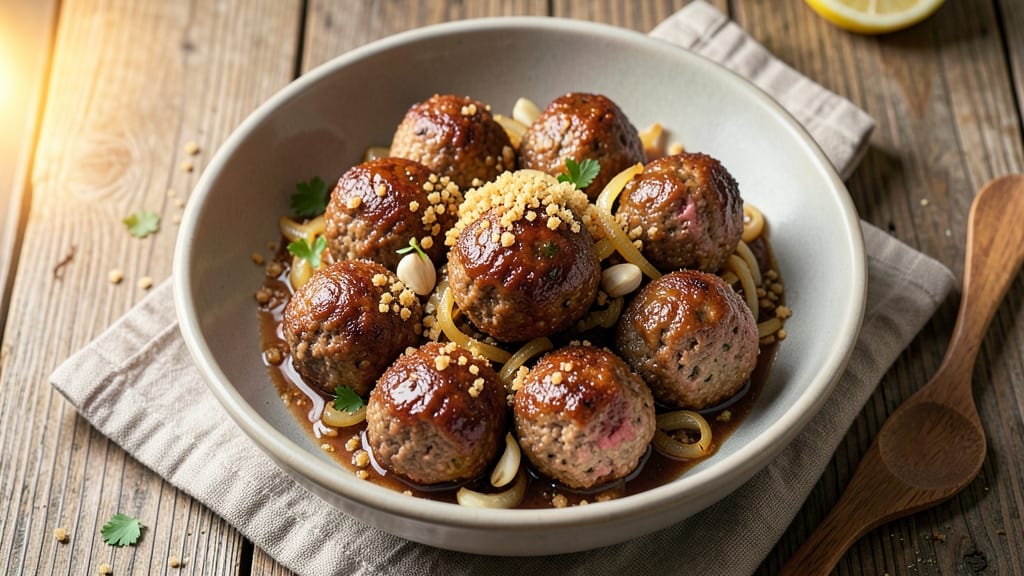
This all ground beef meatball recipe delivers the perfect balance of crispy shells and juicy centers every time—no substitutions, no shortcuts. The secret lies in a precise ratio of breadcrumbs to beef, combined with aromatics that infuse flavor during the pan-sear.
I’ve tested countless variations, and this method consistently produces meatballs that hold their shape while staying tender inside, with a golden-brown crust that’s impossible to resist.
The foundation starts with high-quality ground beef (80/20 fat ratio for juiciness) and a binder of breadcrumbs and egg that locks in moisture without making the meatballs dense.
Aromatics like garlic, onion, and fresh herbs are finely minced and cooked into the beef before shaping—this step ensures every bite is packed with flavor. The pan-searing technique is critical: it creates that coveted crispy exterior while keeping the interior tender, unlike baking, which can dry them out.
What you’ll end up with is a batch of meatballs that are restaurant-quality—ideal for serving over pasta, tucked into subs, or enjoyed as an appetizer with marinara.
The texture is what sets these apart: the outside is crispy enough to hold up to dipping, while the inside remains juicy, with no risk of them falling apart. This recipe is designed to impress, whether you’re feeding a family or hosting guests.
For added versatility, you can finish them in the oven for a softer shell or toss them in sauce for a hands-off simmer. The possibilities are endless, but the technique remains foolproof. Let’s get started—your next meatball masterpiece is just minutes away.
Ingredients for all ground beef meatball
High-quality ground beef, aromatic vegetables, and precise binder ratios create restaurant-quality meatballs with crispy shells and juicy centers.
| Ingredient | Amount | Notes |
|---|---|---|
| Ground Beef (80/20 Fat Ratio) 🥩 | 1 ½ lb | High-quality, finely ground preferred |
| All-Purpose Flour 🌾 | ½ cup | For breadcrumb binder |
| Yellow Onion 🧅 | 1 whole | Finely minced, 1/4 cup yield |
| Garlic Cloves 🧄 | 4 cloves | Minced, not pre-minced jarred |
| Large Eggs 🥚 | 2 whole | Room temperature, beaten |
| Panko Breadcrumbs 🍞 | ¾ cup | Light, dry, not wet |
| Fresh Parsley 🌿 | ¼ cup | Finely chopped, stems removed |
| Fresh Basil 🌿 | ¼ cup | Finely chopped, for aroma |
| Grated Parmesan Cheese 🧀 | ¼ cup | Freshly grated, fine |
| Vegetable Oil 🫒 | ½ cup | High smoke point, like avocado |
| Diamond Crystal Kosher Salt 🧂 | 1 ½ tsp | Fine grain, not iodized |
| Ground Black Pepper 🌶️ | ½ tsp | Freshly cracked, not pre-ground |
| Olive Oil 🫒 | 1 tbsp | For finishing, fruity variety |
The 80/20 ground beef is non-negotiable—this fat ratio ensures juiciness without greasiness. Grocery store brands like Kroger or Safeway have reliable quality, but butcher shops offer even better marbling. Look for beef labeled 'finely ground' to avoid fibrous texture. Fresh herbs make all the difference: Trader Joe's sells pre-washed parsley and basil in clamshells, perfect for this recipe. The Parmesan should be freshly grated—pre-shredded contains anti-caking agents that prevent proper melting. For the breadcrumbs, Panko gives the best texture, but regular breadcrumbs work if you toast them first in a dry pan.
No panko? Toast regular breadcrumbs in a dry skillet for 3-4 minutes to remove moisture and improve crispiness. Short on fresh herbs? Dried parsley at half the amount works in a pinch, but fresh is ideal. The onion and garlic should be finely minced—not chopped—to distribute flavor evenly. For a dairy-free option, omit the Parmesan and add an extra tablespoon of breadcrumbs. The vegetable oil is for searing—use a high-smoke-point oil like avocado or grapeseed to prevent burning. Olive oil works for finishing but has a lower smoke point for frying.
Shape meatballs immediately after mixing to prevent drying. Store formed meatballs on a tray lined with parchment paper in the fridge for up to 2 days before cooking. For longer storage, freeze uncooked meatballs on a tray first, then transfer to a bag for 3 months. Leftover cooked meatballs reheat beautifully in a skillet with a splash of broth or marinara. The crispy shell softens slightly but remains flavorful—ideal for sandwiches or pasta the next day.
Why You'll Love This Recipe
- Here’s what sold me: a pound of beef stretches to feed four, and the rest of the ingredients cost pennies. Double the batch, freeze half, and you’ve got a $5 meal for another night. Plus, the flour and egg act like a secret binder—no weird add-ins, just solid, filling flavor.
- No Fuss, No Mess: Between us, this recipe is the kind of meal that lets you multitask. You’re mixing the beef, flour, and egg while the onions sizzle—no fancy techniques, just a bowl, a pan, and 15 minutes of hands-off time. The 80/20 beef even browns beautifully without falling apart, so cleanup is just a wipe-down.
- Rich Without Effort: That fat in the 80/20 beef? It’s what makes these meatballs ridiculously juicy. The flour soaks up just enough moisture to hold them together, while the raw garlic and onion add a deep, savory punch that tastes like you slaved over it. (Spoiler: You didn’t.)
- Weeknight to Party: Honestly, these meatballs work everywhere. Toss them in marinara for a quick dinner, pan-fry them for sliders, or even freeze half for when you’re too tired to cook. My daughter’s friends think they’re “fancy” when I serve them at game nights—no one knows they’re made with pantry staples.
Step-by-step instructions for perfectly crispy meatballs
Master the balance of texture and flavor with these foolproof meatball instructions.
Prepare the Meatball Mixture
In a large mixing bowl, combine the 1.5 lb ground beef (80/20 fat ratio) with the 0.5 cup all-purpose flour, 1.5 tsp diamond crystal kosher salt, and 0.5 tsp ground black pepper. Use your hands to gently mix until the flour is evenly distributed throughout the meat. The fat content in this ratio is crucial—it creates that signature juicy center while allowing the exterior to crisp.
Add the 1 whole yellow onion (finely minced) and 4 cloves garlic (minced) to the bowl. Mix again until the aromatics are fully incorporated. The onion should be finely minced to prevent any grainy texture in the finished meatballs. This is where the foundation of flavor begins—don't rush this step.
Bind with Eggs and Herbs
In a separate bowl, beat the 2 whole large eggs until just combined. The eggs should be at room temperature for even distribution. Add the beaten eggs to the meat mixture and mix gently until fully incorporated. The eggs act as the binder, holding everything together while adding moisture to prevent dry meatballs.
Fold in the 0.75 cup panko breadcrumbs, 0.25 cup fresh parsley (finely chopped), 0.25 cup fresh basil (finely chopped), and 0.25 cup grated parmesan cheese. Mix carefully—just until combined. Overmixing develops gluten, which can make the meatballs tough. The herbs and cheese add brightness and depth of flavor that carry through the cooking process.
Chill the Mixture for Better Handling
Cover the mixing bowl with plastic wrap and refrigerate for 30 minutes. This chilling step is essential—it firms up the mixture, making it easier to handle and shape without falling apart. The cold temperature also helps the flavors meld together more thoroughly.
After chilling, remove the bowl from the refrigerator and let it sit at room temperature for 5 minutes before shaping. This brief warm-up prevents the mixture from being too cold when you start cooking, which could lead to uneven browning. The meatballs should be cool to the touch but not icy.
Shape and Preheat for Perfect Browning
Using your hands, roll the meat mixture into 1.5-inch diameter meatballs—about 16 total for 4 servings. The uniform size ensures even cooking. Wet your hands slightly with water to prevent sticking, but don't add too much or the mixture will become too wet to shape properly.
Heat 0.5 cup vegetable oil in a large skillet over medium-high heat until it shimmers but doesn't smoke—around 350°F. The oil should be hot enough to sear the meatballs but not so hot that it burns them immediately. This temperature range is critical for developing that crispy exterior while keeping the interior juicy.
Pan-Sear for Crispy Shells and Juicy Centers
Working in batches to avoid overcrowding, carefully add the meatballs to the hot oil. Cook for 4-5 minutes per side, turning gently with tongs, until they develop a deep golden brown color. The meatballs should release easily from the pan when ready to flip—this indicates proper doneness on the first side.
Once all meatballs are browned, transfer them to a paper towel-lined plate to drain excess oil. The residual heat will continue cooking them slightly, ensuring they finish perfectly. For extra flavor, add 1 tbsp olive oil to the skillet and let it heat for 30 seconds, then toss the meatballs in the warm oil to coat evenly before serving.
Pro Tips For Making All Ground Beef Meatball
- Chill the Mixture: After mixing everything—beef, flour, egg, and all—pop it in the fridge for 15 minutes. I used to skip this, and my meatballs would either fall apart or turn greasy. The cold helps the flour absorb moisture properly, so the texture stays tight and juicy.
- Pulse, Don’t Overwork: When mixing the beef, pulse your hands or a fork just until combined—no more. Overworking it heats up the fat, which makes the meatballs dense and dry. Think "light touch," not "kneading dough."
- Dry the Flour First: Toast the all-purpose flour in a dry pan for 30 seconds before adding it to the beef mixture. This removes any moisture and gives the meatballs a slightly crisp edge. Sounds weird, but it works—my grandmother swore by it, and I finally believed her.
- Start Hot, Then Low: Sear meatballs in a screaming-hot pan for 30 seconds per side to lock in juices, then drop the heat to medium-low to finish cooking. Rushing the sear makes them steam instead of brown, and skipping the low-and-slow step leaves them undercooked inside. (Yes, even if you're impatient like me.)
Wine and beer pairings for this dish
Red Wine Classics
For these rich, savory meatballs, a Chianti Classico or Sangiovese from Tuscany is my go-to choice. The bright acidity and cherry notes cut through the fat beautifully while complementing the herbs and Parmesan. Look for a 2018-2020 vintage—they’re typically more accessible than older bottles but still deliver complex flavors.
If you prefer something smoother, a Barbera from Piedmont offers juicy dark fruit and soft tannins that pair wonderfully with the crispy exterior. 🍷
Light Beer Pairings
A crisp Italian lager like Peroni or Moretti cleanses the palate between bites, balancing the meatballs' richness without overpowering them. For a local option, try a wheat beer with citrus notes—like Blue Moon or Allagash White—to add a refreshing contrast.
The effervescence helps reset your taste buds, making each bite of meatball taste even more vibrant. Avoid heavy stouts or IPAs, which can clash with the delicate herbs.
Bold Red Blends
If you love bolder flavors, a Zinfandel from California or Primitivo from Puglia brings intense blackberry and spice notes that mirror the meatballs' savory depth. These wines have enough body to stand up to the pan-seared crust while their fruitiness complements the herbs.
I recommend a 2019-2021 vintage for the best balance of fruit and structure. A splash of balsamic vinegar in your glass enhances the wine's acidity and pairs perfectly with the Parmesan. 🍇
Non-Alcoholic Options
For a refreshing non-alcoholic match, try a sparkling blood orange soda like San Pellegrino Aranciata Rossa—the citrus and bubbles mirror the wine pairing while adding a festive touch. Alternatively, a ginger beer with a squeeze of lime brightens the palate and balances the richness.
Both options work beautifully with meatball subs or as an appetizer spread. The key is acidity and effervescence to cut through the fat.
Regional Wine Twists
If you're serving these meatballs in an Italian-inspired meal, a Lambrusco from Emilia-Romagna adds a fun, slightly fizzy contrast. Its berry and violet notes complement the herbs while the natural carbonation makes it feel celebratory.
For a Spanish twist, a Tempranillo from Rioja offers earthy notes that pair surprisingly well with the pan-seared crust. Both wines add an unexpected but delightful layer to the dish. 🌍
Nutrition facts
Frequently asked questions
Why does your recipe use 80/20 ground beef instead of leaner options?
The 80/20 fat ratio is key for juicy meatballs that stay tender inside while developing a crispy crust. The fat renders during cooking, keeping the centers moist and flavorful—leaner cuts like 90/10 can dry out. This ratio also helps bind the mixture better, preventing crumbly results. For best texture, never substitute with ground turkey or chicken.
Can I make these meatballs ahead of time?
Shape the meatballs and refrigerate them on a tray (uncovered) for up to 24 hours before cooking. For longer storage, freeze uncooked meatballs for 3 months—thaw overnight in the fridge. Cook from frozen by adding 1-2 extra minutes per side. The chilling step actually improves texture by firming the mixture.
What's the best way to prevent meatballs from falling apart?
Three key factors: chilling the mixture for 30 minutes, using Panko breadcrumbs (not regular), and avoiding overmixing. The cold rest period firms up the proteins, while Panko adds structure. Wet your hands slightly when shaping to prevent sticking, but don't add excess moisture. For extra insurance, add 1 tbsp grated Parmesan to the mixture.
How do I get the crispy shell without drying out the inside?
The pan-searing technique is everything: use medium-high heat and 0.5 cup vegetable oil (high smoke point). Cook in batches for 4-5 minutes per side until golden brown—don't overcrowd the pan. The residual heat after transfer completes cooking while keeping centers juicy. For oven finish, bake at 400°F for 5 minutes after searing.
Can I substitute breadcrumbs with something else?
For texture, try crushed cornflakes (for extra crunch) or finely chopped roasted nuts (like walnuts). For binding, use crumbled crackers (like Ritz) or oat flour (blend rolled oats). Avoid wet breadcrumbs—they'll make meatballs soggy. If using crackers, toast them first to remove moisture. The ratio should stay 1:1 with the original breadcrumbs.