
Soups & Stews
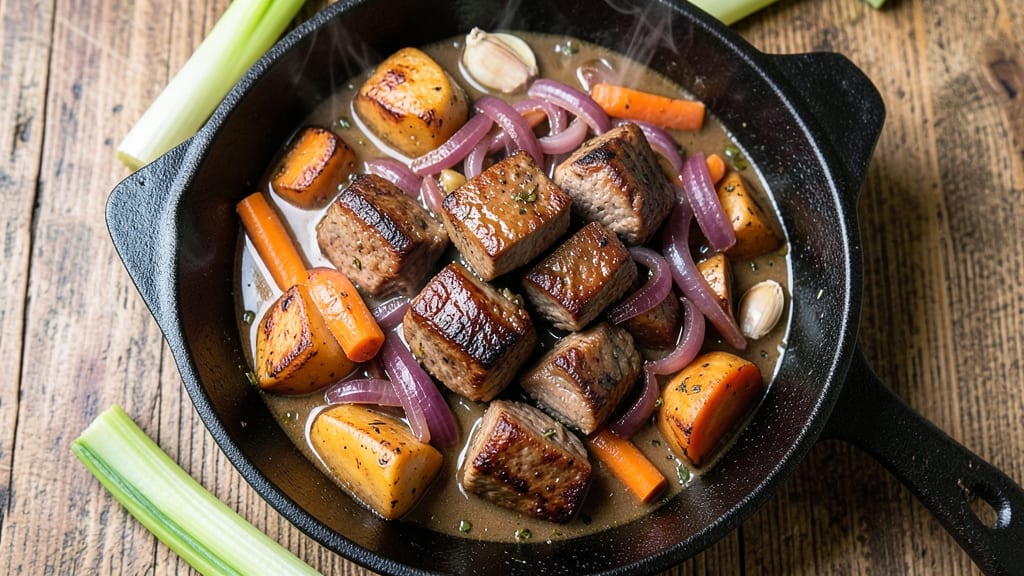
This African American beef stew recipe brings the soulful flavors of Southern tradition to your kitchen, where tender beef and hearty vegetables simmer into a rich, spice-infused masterpiece. The slow-cooked magic transforms tough cuts into melt-in-your-mouth perfection, while deep-rooted spices like thyme, bay leaves, and smoked paprika create layers of warmth that echo generations of family gatherings. I developed this recipe after years of studying how African American cooks elevated simple ingredients into unforgettable meals—where every bite tells a story.
The beauty of this stew lies in its balance: robust beef chuck braised until fork-tender, sweet potatoes that caramelize into tender slices, and onions that soften into sweet, jammy perfection. The secret weapon? A slow cook—whether on the stovetop or in a pressure cooker—allows flavors to meld without fuss.
This isn’t just a meal; it’s a celebration of tradition, where every spoonful carries the comfort of home-cooked love. The aroma alone will have your whole house gathering around the table.
By the time you serve this stew, you’ll have a dish that’s rich, hearty, and brimming with the kind of depth only slow cooking can deliver.
The meat falls apart at the touch of a fork, the vegetables are tender yet retain their shape, and the spices create a symphony of flavors that dance on your palate.
It pairs beautifully with cornbread or collard greens, turning a simple dinner into a feast that feels like a hug in a bowl.
Perfect for weeknight dinners or holiday gatherings, this stew scales effortlessly and tastes even better the next day. The leftovers are just as comforting, proving that some dishes improve with time. Let’s create something that feeds both body and soul—one slow-simmered spoonful at a time.
Ingredients for african american beef stew
Six hearty ingredients and deep-rooted spices create this soulful beef stew tradition.
| Ingredient | Amount | Notes |
|---|---|---|
| Beef Chuck Roast 🥩 | 3 lb | Cut into 1.5-inch cubes, good marbling |
| Yellow Onions 🧅 | 2 whole | Medium size, sliced into half-moons |
| Sweet Potatoes 🍠 | 2 lb | Peeled, cut into 1-inch chunks |
| Carrots 🥕 | 4 whole | Medium size, cut into 1-inch pieces |
| Celery Stalks 🧅 | 4 whole | Cut into 1-inch pieces |
| Garlic Cloves 🧄 | 6 cloves | Minced, fresh preferred |
| Smoked Paprika 🌶️ | 2 tbsp | For deep, smoky flavor |
| Ground Black Pepper 🌶️ | 1 tbsp | Freshly ground for best flavor |
| Dried Thyme 🌿 | 1 tbsp | Or 2 tbsp fresh thyme leaves |
| Bay Leaves 🍃 | 2 whole | Remove before serving |
| Beef Broth 💧 | 4 cups | Low-sodium preferred, homemade best |
| Tomato Paste 🍅 | ½ cup | Squeeze tube or canned |
| Extra-Virgin Olive Oil 🫒 | 2 tbsp | For sautéing vegetables |
| All-Purpose Flour 🌾 | 1 tbsp | For thickening stew |
| Salt 🧂 | 1 ½ tbsp | Kosher or sea salt |
The beef chuck is non-negotiable here—it's what gives this stew its signature melt-in-your-mouth texture. Costco or Walmart usually have it pre-cut, saving you time, but if you're buying a whole roast, ask the butcher to cube it for you. Look for good marbling—those little flecks of fat are what make the meat tender. The sweet potatoes should be firm and vibrant, not shriveled. I always grab the orange-fleshed variety at Trader Joe's—they're sweeter and hold up better during cooking. For the carrots and celery, don't worry about organic unless you're feeling fancy; just make sure they're crisp and fresh.
No smoked paprika? Substitute with regular paprika plus a pinch of liquid smoke—it's a game-changer. Fresh thyme is ideal, but dried works at one-third the amount. If you're using canned tomato paste, San Marzano tomatoes make the best paste—sweeter and less acidic. The beef broth can be store-bought, but if you've got time, homemade is worth it. For the flour, King Arthur is my go-to—it thickens beautifully without getting clumpy. The bay leaves are easy to find in the spice aisle, but if you've got a garden, fresh ones add a whole new dimension.
This stew tastes even better the next day—honestly, that's when all the flavors really come together. Store leftovers in an airtight container in the fridge for up to 5 days, or freeze for 3 months. I like to portion it into containers so I can just grab and reheat for quick lunches. The vegetables will soften more over time, so if you're serving it right away, you might want to cook it just until the meat is tender. And trust me, the aroma alone will have everyone gathering around your kitchen.
Why You'll Love This Recipe
- One-Pot Magic: I swear by this recipe—dump everything in a pot, walk away, and come back to a meal that smells like home. The beef chuck roast practically melts into tender perfection while the onions and celery build that deep, savory base without any fuss.
- Sweet Heat Payoff: Between us, the sweet potatoes and carrots caramelize into something ridiculously good—almost like a secret dessert hiding in your stew. That natural sweetness balances the rich beef, making every bite feel like a hug in a bowl.
- Weeknight Workhorse: This is my go-to when I’ve got a houseful of people or just need something hearty. Serve it over rice for a full meal, or let the leftovers stretch into lunches—it reheats like a dream and tastes even better the next day.
- Budget Hero: A chuck roast is affordable, and the veggies stretch across multiple servings without breaking the bank. Honestly, I make this when I’m pinching pennies, and no one ever complains—because it’s just that satisfying.
Step-by-step instructions for deep-spiced root vegetable beef stew
This hearty stew comes together with layers of flavor and tender vegetables—let's build it properly.
Sear the Beef for Rich Flavor
Heat the 2 tablespoons extra-virgin olive oil in a large Dutch oven over medium-high heat. Working in batches, add the 3 lb beef chuck roast cut into 1.5-inch cubes and sear for 2-3 minutes per side until deeply browned. This step develops deep flavor through the Maillard reaction—don't rush it.
As you sear, place the browned beef in a bowl and set aside. You'll notice the meat releases its juices into the pot—this forms the flavorful base for your stew. Once all beef is browned, reduce heat to medium and add the 2 whole yellow onions sliced into half-moons. Cook for 5-6 minutes until softened but not colored.
Build the Spice Base and Sauté Vegetables
Add the 4 whole carrots cut into 1-inch pieces, 4 whole celery stalks cut into 1-inch pieces, and 6 cloves garlic cloves minced to the pot. Stir everything together and cook for 5 minutes until the vegetables begin to soften. The garlic should become fragrant but not burn—watch it carefully.
Now it's time for the spices. Stir in the 2 tablespoons smoked paprika, 1 tablespoon dried thyme, 1 tablespoon ground black pepper, and 1.5 tablespoons salt. Let the spices toast in the vegetables for 1 minute until you can smell their warm, earthy aroma. This step unlocks the stew's signature depth of flavor.
Create the Stew Foundation
Pour in the 4 cups beef broth and scrape up any browned bits from the bottom of the pot with a wooden spoon. These bits are packed with flavor—don't miss this step! Add the 0.5 cup tomato paste and stir to combine. Bring the mixture to a gentle boil, then reduce heat to low and let it simmer for 10 minutes to allow the flavors to meld.
While this simmers, add the 2 lb sweet potatoes cut into 1-inch chunks to the pot. Stir gently to distribute them evenly. The sweet potatoes will absorb the rich flavors of the broth and spices as they cook. This is where the stew starts coming together—patience is key at this stage.
Simmer Until Tender
Return the seared beef to the pot along with any accumulated juices from the bowl. Add the 2 whole bay leaves and stir gently. Bring the stew back to a simmer, then reduce heat to low and cover partially. Let it cook for 2-2.5 hours until the beef is fork-tender and pulls apart easily.
Check the stew after 1.5 hours—if it's too thin, mix the 1 tablespoon all-purpose flour with 2 tablespoons cold water to make a slurry. Stir this into the stew and let it simmer for another 15-20 minutes to thicken. The stew should coat the back of a spoon but remain spoonable. Remove the bay leaves before serving.
Final Rest and Serving
Once the beef is tender and the vegetables are fork-tender, let the stew rest off the heat for 10-15 minutes. This resting period allows the flavors to fully develop and the juices to redistribute throughout the stew. Taste and adjust seasoning if needed—sometimes a pinch more salt or pepper brings everything into balance.
Serve the stew hot in bowls, garnished with fresh parsley if desired. The rich, spiced broth will coat every bite, while the tender beef and sweet potatoes create a comforting, satisfying meal. This stew tastes even better the next day as the flavors continue to meld—perfect for meal prep!
Pro Tips For Making African American Beef Stew
- SEAR THE ROAST FIRST: Don’t skip the browning—get that beef chuck roast deep golden in a hot Dutch oven with 1 tablespoon of oil. I used to rush this, and the stew always tasted flat until I realized the Maillard reaction is what builds real depth. Five minutes per side, no crowding, or you’ll steam instead of sear.
- CUT SWEET POTATOES SMALL: Dice those sweet potatoes into 1-inch chunks—any bigger, and they’ll turn to mush while the beef stays tough. I learned this the hard way after serving rubbery slices that fell apart at the touch. Uniform size means even cooking every time.
- ADD LIQUID IN STAGES: Start with just enough broth or water to come halfway up the roast, then add more as it reduces. Too much liquid early on means pale, watery stew by the end. My grandmother called it “listening to the pot”—let it simmer until the liquid shrinks before adding more.
- USE A DARK PAN FOR COLOR: If your Dutch oven isn’t dark, line the bottom with a sheet of aluminum foil before searing. The foil reflects heat and helps caramelize the onions and celery faster. It’s not the prettiest method, but it cuts cooking time by half and deepens the flavor. (Yes, even if you’re impatient like me.)
Serving suggestions for this recipe
Cornbread Pairing
Nothing complements this rich beef stew like classic Southern cornbread—its crumbly texture and buttery sweetness cut through the deep flavors beautifully.
I like using Jiffy corn muffin mix for convenience, but for homemade, combine 1 cup cornmeal, 1 cup all-purpose flour, 1 tablespoon sugar, 1 tablespoon baking powder, and ½ teaspoon salt.
Mix with 1 cup buttermilk and 2 tablespoons melted butter, then bake at 375°F for 18-20 minutes. Serve warm with a pat of honey butter. 🍯
Collard Greens Contrast
For a traditional African American meal, serve this stew alongside braised collard greens—their slightly bitter, vinegary notes balance the stew's richness perfectly. Sauté 1 bunch collard greens (about 12 oz) with 2 slices bacon, 1 small onion, and 2 cloves garlic until wilted.
Add 1 cup chicken broth and 1 tbsp apple cider vinegar, then simmer for 45 minutes until tender. A pinch of red pepper flakes adds just the right kick. 🌿
Crusty Bread Basket
A basket of crusty Italian bread or sourdough lets guests scoop up every last bit of flavorful broth. Toast slices at 375°F for 5-7 minutes until golden, then rub with a garlic clove and drizzle with extra-virgin olive oil.
For extra indulgence, try challah—its slightly sweet, eggy richness pairs wonderfully with the stew's smoky depth. 🥖
Pickled Veggie Accents
Brighten the plate with quick-pickled vegetables—thinly sliced red onions or carrots marinated in ½ cup vinegar, 1 tbsp sugar, and 1 tsp salt for 30 minutes.
Their tangy crunch contrasts the stew's heartiness and adds a pop of color. I also love adding pickled jalapeños for those who crave a little heat. 🌶️
Cheesy Grits Elevation
For a Southern-inspired twist, serve this stew with creamy cheddar grits—their smooth texture and sharp cheddar flavor make every bite richer. Cook 1 cup stone-ground grits in 4 cups milk and 1 cup chicken broth over medium heat for 20 minutes, stirring often.
Stir in ½ cup shredded sharp cheddar and 2 tbsp butter until melted. Top with green onions for freshness. 🧀
Wine & Beer Pairings
A bold red wine like Cabernet Sauvignon or Malbec stands up to the stew's depth, while a hoppy IPA cuts through the richness with its bitterness. For beer lovers, try a smoked porter—its caramel and coffee notes complement the smoky paprika beautifully.
If you prefer white, a Chardonnay with oak notes adds a creamy contrast. 🍷
Nutrition facts
Frequently asked questions
Can I use a pressure cooker to make this stew faster?
For a pressure cooker, sear the beef first, then add all ingredients except sweet potatoes. Cook on high pressure for 45 minutes, then add sweet potatoes and cook another 10 minutes. Quick-release the pressure and let it rest 10 minutes before serving. The meat will be just as tender but ready in under an hour!
What's the best cut of beef for this recipe?
Beef chuck roast is ideal—it's flavorful and becomes fork-tender when slow-cooked. If you can't find it, chuck steak or stew meat work well too. Avoid lean cuts like sirloin; they won't develop the same rich texture. Look for good marbling (fat flecks) in the meat for maximum flavor.
How can I make this stew less spicy?
Reduce the smoked paprika to 1 tablespoon and omit the black pepper. For extra mildness, add 1 extra bay leaf and ½ cup more broth to balance flavors. If using canned tomato paste, choose no-salt-added varieties to avoid extra heat. Taste as you go!
Can I prepare this stew in a slow cooker?
Yes! Brown the beef first, then transfer everything to a 6-quart slow cooker. Cook on low for 8 hours or high for 5 hours. Add sweet potatoes during the last 1 hour of cooking. The slow cooker's gentle heat makes this the easiest method—just set it and forget it!
What's the secret to making the broth extra flavorful?
Use homemade beef broth if possible, or enhance store-bought with 1 beef bouillon cube and 1 teaspoon Worcestershire sauce. For deeper flavor, add 1 cup red wine when deglazing the pot after searing the beef. The wine cooks off but leaves behind rich undertones.