
Main Courses
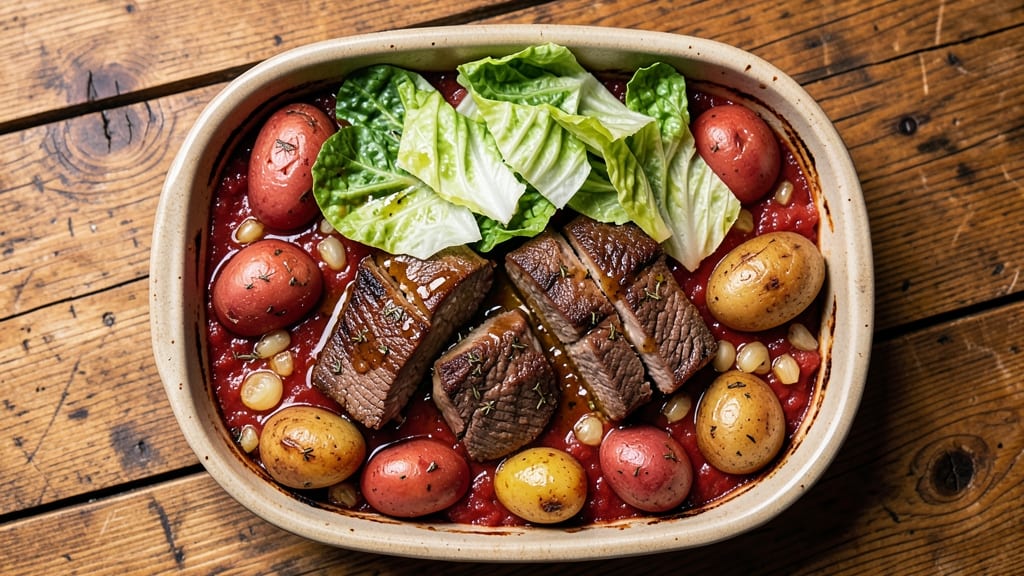
A chef’s life beef and cabbage casserole recipe delivers restaurant-quality comfort in a single dish, where tender beef and hearty cabbage meld into a savory, herb-infused masterpiece. The secret lies in slow-cooked layers that develop deep, caramelized flavors while keeping the beef fork-tender and cabbage perfectly crisp-tender.
I perfected this recipe during my years in professional kitchens, where one-pot meals meant efficiency without sacrificing flavor.
The beauty of this casserole is its versatility—it works as a weeknight family dinner or a showstopper for holiday gatherings. A rich tomato base forms the foundation, while layers of beef, cabbage, and potatoes create satisfying textures.
The addition of smoked paprika and fresh herbs adds complexity that elevates it beyond basic comfort food. What you'll end up with is a dish that smells like home, tastes like a restaurant, and requires minimal cleanup.
Each bite delivers melt-in-your-mouth beef, tender cabbage with just the right crispness, and creamy potatoes that soak up all the savory juices. The dish bakes until the top is golden and bubbling, with edges that get beautifully crispy while staying moist inside.
This is the kind of meal that disappears quickly, leaving everyone asking for seconds—and that's exactly how it should be.
Serve it family-style straight from the baking dish for maximum comfort, or plate it with a dollop of sour cream and fresh parsley for an elegant touch.
The leftovers reheat beautifully, making it perfect for meal prep. Here's how to create this hearty, satisfying casserole that brings warmth to any table.
Ingredients for a chef's life beef and cabbage casserole
Restaurant-quality comfort starts with these carefully chosen ingredients—each playing its part in that perfect balance of tender beef, crisp cabbage, and creamy potatoes.
| Ingredient | Amount | Notes |
|---|---|---|
| Chuck Roast 🥩 | 2 ½ lb | Trimmed of fat, cut into 1-inch cubes |
| Yellow Onion 🧅 | 1 whole | Medium, thinly sliced |
| Garlic Cloves 🧄 | 6 cloves | Fresh, minced |
| Green Cabbage 🥬 | 1 ½ lb | Green, cut into wedges |
| Russet Potatoes 🥔 | 2 lb | Yukon Gold or red, thinly sliced |
| Canned Tomato Sauce 🍅 | 2 cups | San Marzano preferred, no added salt |
| Beef Broth 💧 | 1 ½ cups | Low-sodium, homemade or quality store-bought |
| Smoked Paprika 🌶️ | 1 tbsp | Spanish smoked for depth |
| Dried Thyme 🌿 | 1 tsp | Or 1 tbsp fresh thyme leaves |
| Fresh Parsley 🌿 | ¼ cup | Chopped, for garnish |
| Fresh Dill 🌿 | ¼ cup | Chopped, for brightness |
| Heavy Cream 🥛 | ½ cup | Full-fat for richness |
| Diamond Crystal Kosher Salt 🧂 | 1 ½ tsp | Adjust to taste |
| Freshly Ground Black Pepper 🌶️ | 1 tsp | Cracked peppercorns preferred |
| Extra-Virgin Olive Oil 🫒 | 2 tbsp | For searing beef |
The chuck roast is non-negotiable here—it's the secret to that melt-in-your-mouth texture. Buy it from the butcher counter if possible, where they can cut it into even 1-inch cubes for you. Costco or Whole Foods usually have pre-cubed chuck, but if you're cutting it yourself, look for good marbling—those little white flecks of fat are what keep the meat tender. The cabbage should be firm and vibrant green; green cabbage holds its shape better than red in this dish. For the potatoes, Yukon Golds strike the perfect balance between creamy and firm when sliced thinly—use a mandoline if you want perfect even slices, but a sharp knife works too.
No smoked paprika? Regular paprika plus a pinch of cayenne gets you close, though the smoky depth is worth hunting down. Fresh herbs make all the difference—dried thyme works in a pinch, but fresh parsley and dill add that bright, restaurant-quality finish. The tomato sauce can be jarred (I won't judge), but San Marzano is the gold standard for its sweet, meaty flavor. For the beef broth, homemade is ideal, but low-sodium store-bought works if you're short on time. Just remember to taste and adjust the salt at the end—canned sauces and broths can vary wildly in saltiness.
This casserole tastes even better the next day as the flavors meld together. Store leftovers covered in the fridge for up to 5 days, or freeze portions for 3 months—it reheats beautifully straight from frozen. The potatoes will get slightly softer when reheated, but that's part of the charm. For meal prep, I like to make a double batch—one for dinner, one for lunches the next week. Just cover the baking dish tightly with foil to keep it moist while it cools, then transfer to containers.
Why You'll Love This Recipe
- One-Pan Magic: I swear by this recipe because it’s literally one pan. Chuck roast, potatoes, and cabbage all go in together—no chopping chaos, no extra dishes. Just slice the onion, dice the potatoes, and let the oven do the work while you sip coffee or scroll through your phone.
- Deep, Savory Crunch: That slow-cooked chuck roast turns tender, while the cabbage gets just crisp enough at the edges. Honestly, the garlic and caramelized onions make this taste like a restaurant dish, but with way less fuss. My husband always asks for seconds—even when we have takeout options.
- Leftovers That Don’t Suck: Between us, most casseroles turn into sad, dry meals the next day. Not this one. The potatoes stay creamy, the beef stays juicy, and the cabbage holds its bite. I pack it for lunches all week—no sad desk meals here.
- Budget-Friendly Feast: A chuck roast is cheap, potatoes are cheap, and cabbage? Even cheaper. This recipe feeds four for under $15, and it’s the kind of meal that makes you feel like you’re treating yourself. (Yes, even on a Tuesday night.)
Step-by-step instructions for herb-layered beef and cabbage casserole
This one-pot wonder delivers restaurant-quality depth with minimal effort—layered flavors that build with every bite.
🔥 Step 1: Sear the Chuck Roast for Deep Flavor
Heat a large Dutch oven over medium-high heat and add the 2 tablespoons extra-virgin olive oil. Working in batches if needed, add the 2.5 lb chuck roast cubes and sear for 3-4 minutes per side until deep golden brown with caramelized edges. You're building flavor here—don't rush this step.
As the meat browns, sprinkle with 1 teaspoon smoked paprika and 1 teaspoon dried thyme, pressing the spices into the meat so they adhere. Remove the seared beef and set aside on a plate. The Dutch oven will be your casserole home—those browned bits on the bottom are pure flavor gold.
👨🍳 Step 2: Build the Vegetable Layers
In the same Dutch oven, add the 1 whole medium yellow onion and 6 minced garlic cloves. Cook for 3-4 minutes until the onions soften and become translucent. Here's where the aromatics transform from raw to irresistible—you'll smell that sweet, garlicky foundation taking shape.
Push the onions to one side of the pot, then add the 2 lb russet potatoes in an even layer. Sprinkle with 1 teaspoon kosher salt and ½ teaspoon black pepper. Return the seared beef to the pot, nestling it among the potatoes. Pour in the 2 cups canned tomato sauce and 1.5 cups beef broth, stirring gently to combine. The liquid should come about halfway up the potatoes.
🥘 Step 3: Layer the Cabbage and Season
Arrange the 1.5 lb green cabbage wedges on top of the potatoes in a single layer, slightly overlapping them like shingles. This creates a beautiful presentation while ensuring even cooking. Sprinkle the cabbage with the remaining ½ teaspoon kosher salt and ½ teaspoon black pepper, then add the 1 tablespoon smoked paprika and 1 teaspoon dried thyme.
Here's the secret to that signature herb brightness: scatter the ¼ cup fresh parsley and ¼ cup fresh dill evenly over the cabbage. The fresh herbs will infuse the dish with vibrant notes as it bakes. Cover the Dutch oven with a tight-fitting lid and transfer to a 375°F preheated oven.
⏰ Step 4: Braise Until Tender and Golden
Bake uncovered for 1 hour to let the top crisp slightly, then cover and continue baking for an additional 2-2.5 hours until the beef is fork-tender and the cabbage is perfectly wilted. You'll know it's ready when the cabbage is tender enough to pierce easily with a fork and the juices run clear when you check the beef.
During the last 30 minutes, stir in the ½ cup heavy cream. This adds luxurious richness that balances the hearty flavors. The cream should melt into the sauce, creating a velvety finish. If the casserole looks dry, add 2-3 tablespoons beef broth to maintain moisture.
🍽️ Step 5: Rest and Serve with Confidence
Remove from the oven and let the casserole rest for 10-15 minutes before serving. This resting period allows the juices to redistribute, ensuring every forkful is moist and flavorful. The cabbage should be tender-crisp, the potatoes creamy, and the beef meltingly tender with a perfect pink center.
Serve directly from the Dutch oven for that rustic, comforting feel. Garnish with additional fresh parsley and fresh dill for a pop of color and freshness. Each bite delivers the perfect balance of smoky, herby, and creamy flavors that make this casserole a true comfort classic.
Pro Tips For Making A Chef'S Life Beef And Cabbage Casserole
- SEAR THE ROAST FIRST: I learned this the hard way—skipping the initial sear means flavorless beef. Pat the chuck roast very dry, then hit it with high heat in your Dutch oven until deep brown crusts form all over. That’s where the Maillard reaction happens, and it’s non-negotiable for rich, restaurant-quality depth.
- CUT CABBAGE INTO EVEN STICKS: Uneven cabbage pieces turn mushy while others stay crunchy. Aim for ½-inch-wide sticks—thick enough to hold shape but thin enough to cook through. A sharp knife and steady hand make this faster than you’d think (yes, even if you’re impatient like me).
- DON’T SKIP THE POTATO PREP: Peel and slice those russets thin—about ¼-inch thick—and soak them in cold water for 10 minutes to remove excess starch. Drain well before adding to the casserole, or you’ll end up with a gluey mess instead of tender, fluffy potatoes.
- LOW AND SLOW IS NON-NEGOTIABLE: After browning the meat, reduce heat to low (275°F or less) and cover the casserole. Too much heat = tough beef and rubbery veggies. I used to rush this, but the beef needs hours to break down—set a timer and walk away. The slow cook is your friend here.
Pro cooking tips for perfect results
Sear Like a Pro
That golden-brown crust on your chuck roast isn't just for looks—it's where the Maillard reaction creates deep, complex flavors. Use a Dutch oven (I love my Le Creuset) over medium-high heat and work in batches if needed. 3-4 minutes per side until deep brown ensures maximum flavor development.
Don't crowd the pan or the meat will steam instead of sear. 🔥
Layering Secrets
The key to even cooking and beautiful presentation is strategic layering. Start with onions and garlic as your flavor base, then potatoes for structure. Nestle the beef among the potatoes so it cooks evenly.
When adding cabbage, arrange wedges in a single overlapping layer like shingles—this ensures even exposure to heat and prevents soggy spots. 🥬
Braising Mastery
Your oven temperature should stay steady at 375°F—fluctuations can lead to uneven cooking. The initial 1-hour uncovered bake creates that beautiful crispy top while allowing moisture to escape. After covering, check the beef at 2 hours—it should be fork-tender but still hold its shape.
If using a meat thermometer, aim for 200°F internal temperature. 🌡️
Cream Timing
Adding the ½ cup heavy cream in the final 30 minutes prevents curdling from prolonged heat exposure. Stir gently to distribute evenly—this creates that luxurious sauce without making the dish watery.
If your casserole looks dry, add 2-3 tablespoons beef broth to maintain moisture without diluting flavors. The cream should melt into a velvety finish, not separate. 🥛
Resting Period
Never skip the 10-15 minute rest after baking—this crucial step allows juices to redistribute throughout the dish. During this time, the cabbage will soften slightly and the potatoes will absorb all those delicious braising liquids.
Use this time to set the table and prepare your garnishes. The difference between serving immediately and after resting is like night and day. ✨
Equipment Upgrades
While you can use any oven-safe pot, a Dutch oven is ideal for its even heat distribution. For best results, I recommend a 5-6 quart capacity—enough room for all layers without overcrowding. If you don't have one, a deep baking dish with a lid works too.
Just be prepared for slightly longer baking times. The right equipment makes all the difference in achieving professional results at home. 🍳
Nutrition facts
Frequently asked questions
Can I substitute ground beef for chuck roast in this recipe?
While you can use ground beef, the texture and flavor won't be the same. Chuck roast is ideal because it stays tender and develops rich, beefy flavors when slow-cooked. If you must substitute, try ground chuck (not lean ground beef) and reduce the cooking time to 1.5 hours total. The dish will be more like a hearty stew than a layered casserole.
How do I prevent the cabbage from getting too mushy?
Keep the cabbage wedges intact and arrange them in a single layer on top. Don't overlap too much—this prevents steam buildup that turns cabbage into mush. Also, bake uncovered for the first 1 hour to let moisture escape, then cover for the remaining time. The cabbage should be tender but still hold its shape when done.
Can I make this casserole ahead of time?
This dish actually tastes better the next day! Prepare it up to 3 days in advance and refrigerate covered. Reheat in a 350°F oven for 30-45 minutes until warmed through. For freezing, assemble and bake, then cool completely before storing in airtight containers for up to 3 months. Thaw overnight in the fridge before reheating.
What's the best way to reheat leftovers?
For best results, reheat in the oven rather than the microwave. Cover with foil and bake at 350°F for 30-45 minutes until piping hot. If using the microwave, cover with a damp paper towel and heat in 1-minute intervals, stirring between each. The potatoes will get slightly softer when reheated, but that's normal and adds to the comforting texture.
Can I make this dish without heavy cream?
For a lighter version, substitute with ½ cup whole milk or ½ cup Greek yogurt. If you prefer a richer alternative, use ½ cup evaporated milk. The cream adds luxurious body, but these substitutes will still create a delicious sauce. Just stir in during the final 30 minutes of baking to prevent curdling.