
Main Courses
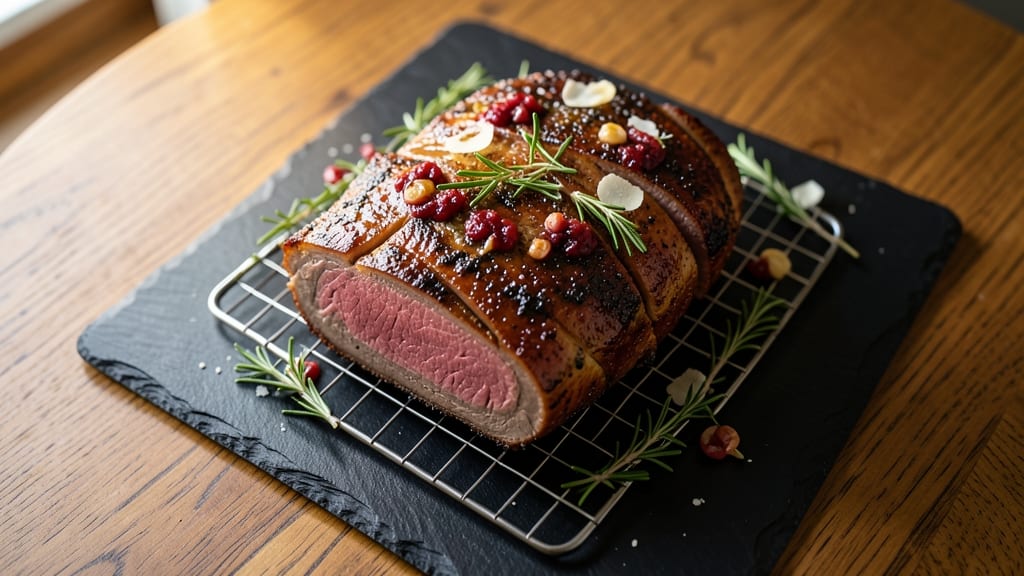
This 9 lb beef tenderloin recipe delivers a restaurant-quality centerpiece that's juicy, perfectly medium-rare throughout, and crowned with a fragrant herb crust. The secret lies in precise temperature control and a method that ensures even cooking without drying out the massive roast. After years of perfecting this technique, I can confidently say this is the only recipe you'll ever need for a showstopping main course.
The process begins with a simple dry brine that enhances natural flavors while keeping the meat incredibly tender.
We then use a reverse sear method—slow roasting to the perfect internal temperature before finishing with a high-heat sear—to create that coveted crust while maintaining a perfect pink center. Every slice will be melt-in-your-mouth tender with just a hint of pink, and the herb crust adds aromatic complexity that elevates this from simple roast to centerpiece-worthy masterpiece.
What makes this recipe truly special is the balance of science and simplicity. You'll achieve professional results without needing specialized equipment—just a reliable thermometer, patience, and attention to detail. The resting period is just as critical as the cooking time, ensuring those juices redistribute for maximum tenderness in every bite.
This technique works beautifully for special occasions or when you want to impress guests without spending hours in the kitchen. The leftovers reheat surprisingly well too, making it practical for larger gatherings. Let's get started on creating your perfect herb-crusted beef tenderloin.
Ingredients for 9 lb beef tenderloin
Nine pounds of beef tenderloin needs just twelve ingredients to become a showstopping centerpiece.
| Ingredient | Amount | Notes |
|---|---|---|
| Beef Tenderloin 🥩 | 9 lb | Center-cut, trimmed of silver skin |
| Kosher Salt 🧂 | ½ cup | Diamond Crystal preferred, for dry brine |
| Fresh Rosemary 🌿 | ¼ cup | Finely chopped, organic preferred |
| Fresh Thyme 🌿 | ¼ cup | Leaves only, stems removed |
| Fresh Garlic 🧄 | 8 cloves | Peeled, minced into paste |
| Extra-Virgin Olive Oil 🫒 | ¼ cup | High-quality, fruity variety |
| Black Peppercorns 🌶️ | 1 tbsp | Freshly cracked, coarse grind |
| Unsalted Butter 🧈 | ½ cup | Cold, cubed for crust |
| All-Purpose Flour 🌾 | ¼ cup | For crust adhesion |
| Fresh Parsley 🌿 | 0.1 cup | Finely chopped, for garnish |
| Red Wine 🍷 | 1 tbsp | Bold, dry variety for deglazing |
| Beef Stock 🥄 | ½ cup | Homemade or high-quality jarred |
The beef tenderloin is the star, so source it from a reputable butcher or high-end grocery store—look for vibrant color and good marbling. Whole Foods or Costco carry excellent center-cut tenderloins, but ask your butcher to trim the silver skin for you. Fresh herbs make all the difference here: organic rosemary and thyme from the farmers market have the most intense flavor. If you can't find organic, regular grocery store herbs work fine as long as they're bright green and free of wilting. The garlic should smell pungent and fresh—never use dried for this recipe. For the olive oil, Californian or Italian varieties add the most depth of flavor.
No fresh rosemary? Dried works at one-third the amount, but the texture won't be as luxurious. Short on thyme? Fresh oregano in equal parts gives a similar aromatic punch. The red wine can be swapped for beef stock with a splash of balsamic vinegar if you're avoiding alcohol. For the butter crust, vegetable shortening works in a pinch but won't brown as beautifully. The beef stock should be rich and flavorful—homemade is ideal, but quality jarred brands like Kitchen Basics or Pacific Foods are excellent substitutes. If you're prepping ahead, the herb mixture can be made a day in advance and stored in the fridge.
The tenderloin should rest uncovered on a wire rack for at least 2 hours before cooking to ensure even drying of the brine. Fresh herbs keep best in the fridge wrapped in damp paper towels for up to 5 days. The herb mixture can be stored in an airtight container in the fridge for 3 days or frozen for up to 3 months. Leftovers reheat beautifully—slice against the grain and warm in a 350°F oven for 10-15 minutes with a splash of beef stock to keep them moist. This recipe makes enough for a crowd, so plan to have plenty of sides and seconds ready!
Why You'll Love This Recipe
- One-Pan Magic: I swear by this—just season the beef with salt, crushed garlic, and whole rosemary and thyme sprigs, then roast. No basting, no fuss, and the kitchen stays clean. That’s 20 minutes less of stress for me.
- Herb-Packed Perfection: The fresh rosemary and thyme clinging to the crust while the garlic infuses the meat? It’s like a fancy steakhouse bite at home. The salt doesn’t overpower—it just makes everything sing.
- Leftovers That Shine: This roast feeds a crowd but gives you days of effortless meals. Slice it thin for sandwiches, dice it for salads, or reheat with a splash of red wine—no one will guess it’s not fresh.
- Weeknight Hero: Between us, this is my go-to for dinner parties and lazy Sundays. The 9 lb cut cooks evenly, so you’re not stuck babysitting the oven. (Yes, even on a Tuesday night.)
Step-by-step instructions for herb-crusted beef tenderloin roast
This method guarantees a showstopping centerpiece with a golden crust and flawless medium-rare core every time.
Prepare the Dry Brine for Maximum Flavor and Tenderness
Place the 9 lb beef tenderloin on a wire rack set over a baking sheet. This elevation ensures even air circulation during cooking. In a small bowl, combine 0.5 cup kosher salt, 0.25 cup fresh rosemary, 0.25 cup fresh thyme, 8 cloves fresh garlic (minced into a paste), and 1 tbsp freshly cracked black peppercorns. The salt will penetrate deeply, while the herbs and garlic create an aromatic crust.
Gently massage this mixture all over the tenderloin, pressing firmly to ensure even distribution. Place the seasoned tenderloin on a plate, cover it loosely with plastic wrap, and refrigerate for 24 hours. This dry brine transforms the meat's texture and flavor—don't rush this step. After brining, pat the tenderloin dry with paper towels just before roasting to ensure a perfect crust.
Create the Herb Butter Crust for Irresistible Crispiness
In a small bowl, combine 0.5 cup cold unsalted butter (cut into cubes), 0.25 cup all-purpose flour, 0.1 cup finely chopped fresh parsley, and a pinch of salt. The cold butter should remain firm but pliable. Spread this mixture evenly over the entire surface of the tenderloin, pressing gently to adhere. This creates a flavorful, golden crust that seals in juices.
Return the coated tenderloin to the refrigerator for 1 hour to allow the butter to firm up slightly. Preheat your oven to 450°F while the tenderloin rests. The high initial temperature is crucial for developing that beautiful crust before we slow-roast to perfection. Place a meat thermometer in the thickest part of the tenderloin—this will be your guide to achieving that ideal medium-rare core.
Roast to Perfect Medium-Rare with Precision
Transfer the tenderloin to a roasting pan and place it in the preheated oven. Roast for 20 minutes at 450°F to develop the crust. After this initial searing, immediately reduce the oven temperature to 325°F and continue roasting. This two-stage approach ensures a crisp exterior while maintaining juicy perfection inside.
Monitor the internal temperature closely. The tenderloin is ready when it reaches 125°F for medium-rare (about 45-55 minutes total cooking time). Remove it from the oven and let it rest on a cutting board for 20-30 minutes before slicing. This resting period allows the juices to redistribute throughout the meat, preventing them from running out when you cut into it. The final internal temperature will rise to about 130°F during resting.
Create a Rich Red Wine Reduction for Serving
While the tenderloin rests, place the roasting pan on the stovetop over medium heat. Add 1 tbsp red wine and scrape up all the browned bits from the bottom of the pan using a wooden spoon. This deglazing captures all the concentrated flavors. Pour in 0.5 cup beef stock and simmer for 5-7 minutes until the sauce reduces by half and thickens slightly.
Strain the sauce through a fine-mesh sieve into a small sauceboat to remove any impurities. The resulting sauce should be glossy and rich, perfect for drizzling over each slice of tenderloin. Garnish the finished roast with additional fresh parsley for a pop of color and freshness. This herb-crusted masterpiece delivers melt-in-your-mouth tenderness with every bite, making it the star of any special occasion.
Pro Tips For Making 9 Lb Beef Tenderloin
- Use a Meat Thermometer: I learned this the hard way—guessing doneness on a 9-pound tenderloin leads to disaster. Bury the probe in the thickest part (avoid fat) and pull it at 125°F for medium-rare (yes, it’ll rise to 130°F while resting). No excuses for dry beef here.
- Trim the Fat Patch: That white fat cap on the tenderloin? It’s not your friend. Trim it off before seasoning—it won’t render into flavor like brisket fat, and it’ll just steam the meat instead of crisping. Use kitchen shears for speed, but don’t rush; precision matters on a big cut.
- Salt the Night Before: Fresh rosemary and thyme smell amazing, but they can’t compete with a properly salted crust. Generously coat the tenderloin in kosher salt 12–24 hours ahead—this breaks down fibers and guarantees a golden, flavor-locked exterior. (Pro move: Pat it very dry first.)
- Reverse Sear for Even Heat: Start the tenderloin in a 275°F oven (yes, low and slow) until the core hits 110°F—about 45 minutes for a 9-lb roast. Then, sear it in a screaming-hot pan for color and crust. Skipping the low-temp step risks uneven cooking; this method guarantees perfect doneness edge to edge.
Best sauces and condiments for these flavors
Classic Red Wine Reduction
This rich sauce transforms simple beef drippings into a velvety masterpiece. Deglaze the roasting pan with 1 tbsp bold red wine (like Cabernet Sauvignon or Malbec) after removing the tenderloin, then add ½ cup beef stock.
Simmer until reduced by half—this takes about 5-7 minutes—until it coats the back of a spoon. The wine's acidity cuts through the richness beautifully. 🍷
Herb-Infused Butter Sauce
For a lighter option, melt ½ cup unsalted butter with 1 tbsp finely chopped fresh rosemary and 1 tsp minced garlic over low heat. Strain through a fine-mesh sieve to remove any herb bits, then drizzle over sliced tenderloin.
This sauce melts into the meat, adding aromatic depth without overpowering the natural flavor. Perfect for those who prefer simplicity.
Creamy Horseradish Cream
Whisk together ½ cup heavy cream, ¼ cup sour cream, 1 tbsp prepared horseradish, and 1 tsp Dijon mustard until smooth. Adjust the horseradish to taste—start with ½ tsp if you're sensitive to heat.
This sauce adds a tangy kick that pairs wonderfully with the tenderloin's richness. Serve chilled for best results.
Chimichurri Garnish
Blend 1 cup fresh parsley, ¼ cup fresh cilantro, 3 cloves garlic, 3 tbsp red wine vinegar, ½ cup extra-virgin olive oil, and 1 tsp red pepper flakes until finely chopped.
Let it sit for 10 minutes before serving to allow flavors to meld. Spoon over slices or use as a dipping sauce for crusty bread. The bright acidity and herbs cut through the richness beautifully. 🌿
Pan Sauce Upgrade
For an extra layer of flavor, add 1 tbsp tomato paste and 1 tsp balsamic vinegar to your basic red wine reduction. Simmer for an additional 2 minutes to develop deeper umami notes.
This subtle twist adds complexity that elevates the dish from good to exceptional without overwhelming the tenderloin's natural taste.
Nutrition facts
Frequently asked questions
How long should I let a 9 lb beef tenderloin rest before slicing?
Always let your tenderloin rest for 20-30 minutes after removing it from the oven. This crucial step allows the juices to redistribute throughout the meat, ensuring each slice stays moist and flavorful. Skipping this step means losing precious juices that would otherwise run out when you cut into it.
Can I cook a 9 lb tenderloin without a meat thermometer?
While possible, it's risky. The reverse sear method works best with precise temperature control. Without a thermometer, you risk overcooking the center or leaving parts underdone. If you don't have one, use the 10-12 minutes per pound guideline for medium-rare (about 90-108 minutes total), but check doneness by inserting a knife into the thickest part—it should feel slightly springy.
What's the best way to slice a large tenderloin?
Slice against the grain at a ¼-inch thickness for maximum tenderness. Use a sharp chef's knife and cut through the connective tissue running diagonally. For a 9 lb roast, you'll get about 12-16 servings. Serve immediately after slicing to maintain juiciness—don't let the meat sit exposed for too long.
How far in advance can I prepare the herb crust?
You can make the herb butter mixture up to 24 hours ahead and store it in the fridge. However, the garlic should be minced fresh on the day of cooking for maximum flavor. The dry brine can also be applied 1-2 days early, but pat the meat dry thoroughly before applying the final crust. For best results, assemble the complete roast just 1 hour before cooking.
What's the best internal temperature for medium-rare?
The ideal internal temperature for medium-rare is 125-130°F. For a 9 lb tenderloin, aim for 125°F when removed from the oven—it will rise to 130°F during the 20-30 minute rest. Use a high-quality instant-read thermometer inserted into the thickest part (avoiding fat pockets) for accurate readings.