
Main Courses
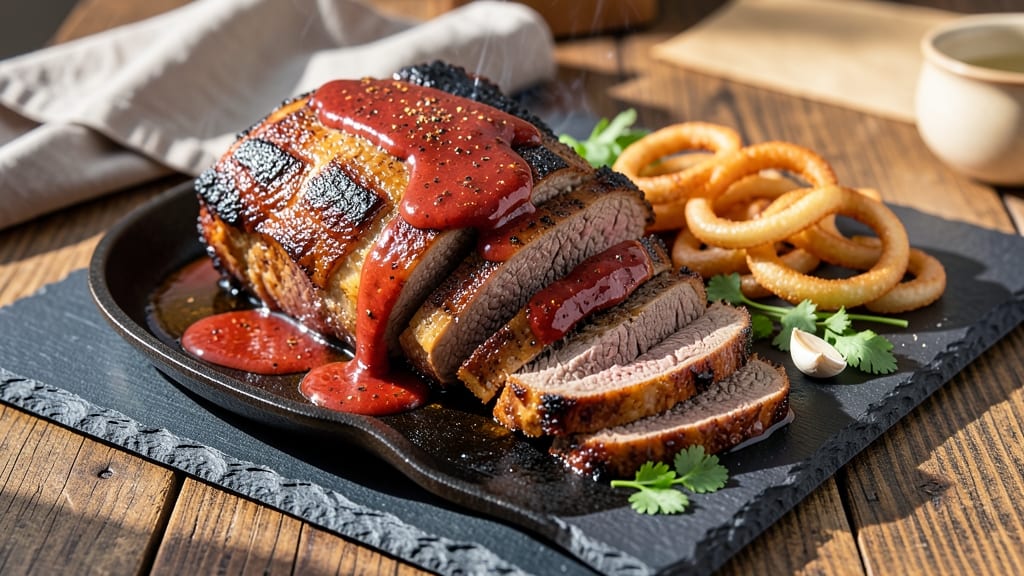
This 7-lb beef brisket recipe delivers restaurant-quality tenderness and smoky depth with minimal effort—no fancy equipment required. The secret lies in a low-and-slow approach that transforms tough cuts into melt-in-your-mouth perfection, where every bite offers buttery threads and a crispy, caramelized bark.
I’ve perfected this method over years of trial and error, ensuring even home cooks achieve professional results without the guesswork.
The process is straightforward: a dry rub locks in flavor, while a moisture-rich braise breaks down collagen for unparalleled tenderness. You’ll spend just 30 minutes prepping before letting the oven or slow cooker do the heavy lifting—6 to 8 hours of hands-off cooking time.
The key is patience; rushing this recipe is the fastest way to ruin it. But when done right, the aroma alone will have everyone gathering at the table.
What you’ll end up with is a juicy, deeply flavorful brisket that practically falls apart at the touch of a fork. The exterior boasts a dark, crackling bark from the rub, while the interior remains tender and moist, with fat rendered into rich, buttery pockets.
Serve it sliced thin over toasted buns, on a platter with pickles and white bread, or shredded into tacos—it’s versatile enough for any occasion.
This recipe is designed for foolproof success, even for beginners. With clear temperature guidelines, resting instructions, and a foolproof method for slicing, you’ll avoid common pitfalls like dry meat or uneven cooking.
Whether you’re hosting a backyard BBQ or feeding a hungry family, this brisket will be the star of the meal—and the talk of the table.
Ingredients for 7 lb beef brisket
The brisket's secret lies in these 14 ingredients—bold flavors and tenderizing magic for melt-in-your-mouth perfection.
| Ingredient | Amount | Notes |
|---|---|---|
| Beef Brisket (Packer Cut) 🥩 | 7 lb | Whole packer cut, fat cap intact |
| Yellow Onion 🧅 | 2 whole | Large, yellow or red variety |
| Garlic Cloves 🧄 | 8 cloves | Fresh, peeled, smashed |
| Beef Broth 💧 | 2 cups | Low-sodium, homemade preferred |
| Apple Cider Vinegar 🍎 | ¼ cup | For tenderizing, not flavoring |
| Brown Sugar 🍚 | ½ cup | Light or dark, packed |
| Smoked Paprika 🌶️ | 2 tbsp | High-quality, not sweet paprika |
| Ground Black Pepper 🌶️ | 1 ½ tbsp | Freshly cracked, coarse grind |
| Kosher Salt 🧂 | 1 ½ tbsp | Diamond Crystal preferred |
| Ground Cumin 🌿 | 1 tbsp | Toasted for deeper flavor |
| Dried Thyme 🌿 | 1 tbsp | Or 1 tbsp fresh thyme leaves |
| Bay Leaves 🍃 | 4 whole | Fresh or dried, removed before serving |
| Olive Oil 🫒 | 2 tbsp | For searing, high smoke point |
| Balsamic Vinegar 🍷 | 2 tbsp | For deglazing, aged variety |
The beef brisket is non-negotiable—packer cut with fat cap intact. Costco or local butchers are your best bets; avoid pre-trimmed cuts. Look for good marbling and a vibrant red color. If buying whole, trim excess fat to about 1/4-inch thickness. The apple cider vinegar is key—it tenderizes without overpowering. Muir Glen is my go-to for quality, but any organic brand works. For the rub, Penzeys smoked paprika gives that authentic BBQ depth, but Trader Joe's has a solid budget option too. Toast your spices in a dry pan for 30 seconds to wake up their flavors—trust me on this.
No beef broth? Chicken or vegetable broth with 1 tbsp soy sauce works in a pinch, but the umami difference is noticeable. Running short on vinegar? Lemon juice at half the amount gets you close. Fresh thyme is ideal, but dried at one-third the quantity works fine. The bay leaves add subtle earthiness—don't skip them. For the sear, avocado oil has a higher smoke point than olive oil if you're worried about burning. And if you're making this ahead, prep the rub and braising liquid the night before—one less thing to stress about on cook day.
This brisket tastes even better the next day—plan ahead. Store leftovers in the fridge for up to 5 days, covered tightly with foil. For longer storage, freeze portions in airtight containers for up to 3 months. The bark stays crispy when reheated in the oven at 300°F for 15 minutes. I always make extra—sandwiches for lunch, tacos for dinner. The fat rendered in the pan? Save it for another batch or use it to baste next time.
Why You'll Love This Recipe
- Deep, Smoky Magic: That packer cut? It melts into ridiculously tender layers when slow-smoked, and the onion-garlic base caramelizes into a glossy, sweet glaze. Honestly, the first bite—where the crust gives way to juicy beef—is the reason I keep making it.
- Leftovers Are a Gift: Between us, this recipe makes way more than I can eat in one sitting. The brisket reheats beautifully for sandwiches, tacos, or even fried rice the next day. (Yes, even on a Tuesday night.) My freezer’s always stocked with vacuum-sealed portions—no takeout needed.
- Budget Meal for Crowds: A 7 lb brisket feeds a houseful without breaking the bank. The beef broth stretches thin, the onions bulk it up, and the vinegar keeps costs low while adding depth. It’s my go-to for game days, family dinners, or when friends show up unannounced. Everyone leaves happy.
Step-by-step instructions for smoky brisket with perfect threads
Here's how to transform a tough cut into melt-in-your-mouth perfection using just one pan.
Prepare the Brisket for Maximum Flavor
Start by trimming the fat cap on the 7 lb beef brisket down to about ¼ inch thickness using a sharp boning knife. Leave the fat intact on the sides and edges—this will render down and baste the meat during cooking. Pat the entire surface completely dry with paper towels, including inside the cavity if you're not removing the fat cap completely.
In a small bowl, combine the 2 tbsp smoked paprika, 1.5 tbsp kosher salt, 1.5 tbsp ground black pepper, 1 tbsp ground cumin, and 1 tbsp dried thyme. Rub this mixture generously over all surfaces of the brisket, pressing it into the meat so it adheres well. Place the brisket on a wire rack set over a baking sheet and refrigerate uncovered for at least 4 hours or overnight. This dry-brining step ensures maximum flavor penetration and crispy bark development.
Sear the Brisket for Deep Flavor
Remove the brisket from the refrigerator and let it sit at room temperature for 30 minutes. Preheat your oven to 275°F. Heat a large Dutch oven over medium-high heat and add the 2 tbsp olive oil. Once the oil is shimmering, carefully place the brisket fat-side down in the pot. Let it sear undisturbed for 10 minutes until a deep golden-brown crust forms.
Flip the brisket and sear the other side for another 8-10 minutes. The goal is to develop maximum flavor through caramelization. Once both sides are beautifully browned, remove the brisket from the pot and set it aside on a plate. You'll notice the fat has rendered and created a rich, flavorful base in the bottom of your Dutch oven.
Build the Flavorful Braising Liquid
In the same Dutch oven, add the 2 whole yellow onions cut into large chunks and the 8 smashed garlic cloves. Cook for 3-4 minutes until the onions begin to soften and turn translucent. Stir in the 0.5 cup packed brown sugar and cook for another minute, allowing it to caramelize slightly.
Deglaze the pot by adding the 0.25 cup apple cider vinegar and scraping up all those delicious browned bits from the bottom. Pour in the 2 cups beef broth and bring the mixture to a gentle simmer. Stir in the 4 whole bay leaves and return the brisket to the pot, fat-side up. Cover tightly with a lid and transfer to the preheated oven.
Slow Cook Until Fork-Tender
Cook the brisket at 275°F for 6 hours, maintaining a gentle simmer. I check it after 4 hours to ensure there's enough liquid—add more broth if needed. The brisket will hit "the stall" around the 4-5 hour mark when the internal temperature stops rising. This is normal and indicates the meat is releasing moisture.
When the internal temperature reaches 195-200°F (about 6-7 hours total), remove the brisket from the pot and tent loosely with foil. The meat should be fork-tender, with a probe sliding in like butter. Let it rest for 30 minutes before slicing. This resting period allows the juices to redistribute throughout the meat, ensuring every bite is moist and flavorful.
Finish with Balsamic Vinegar and Serve
While the brisket rests, skim off any excess fat from the braising liquid in the Dutch oven. Return the pot to medium heat and add the 2 tbsp balsamic vinegar. Simmer for 3-4 minutes until slightly reduced and glossy. Taste and adjust seasoning if needed.
Slice the brisket against the grain into ¼-inch thick slices. Serve immediately with the reduced braising sauce spooned over the top. Each bite should deliver perfect harmony of smoky bark, buttery threads, and deep, complex flavors. The onions and garlic in the sauce add another layer of richness that complements the brisket beautifully.
Pro Tips For Making 7 Lb Beef Brisket
- Trim the Fat First: That thick layer of fat on a packer cut isn’t just for looks—it renders down into flavor gold. Use a sharp knife to slice through it like you’re cutting butter, then trim just the outer edges. Leave the rest intact; it’ll baste the meat as it cooks and keep it juicy. (Yes, even if you’re tempted to go full "clean plate" mode.)
- Sear in Batches: A crowded pan = steam, not sear. Cut your brisket into two chunks (flat and point) and work in batches if your skillet’s smaller than your meat. High heat for 3-4 minutes per side until deep brown—no rushing here. The crust is where all the magic happens, and you can’t fake it.
- Vinegar Early, Not Late: Dump that apple cider vinegar in with the onions and garlic before the brisket goes in. The acid needs time to mellow and marry with the aromatics, not hit your meat like a sour punch at the end. (I learned this after serving a brisket that tasted like it got pickled by accident.)
- Check Internal Temp Twice: The flat should hit 195°F, but the point cut? It’s stubborn. Use a probe in both thickest parts—flat and point—because one side can fool you. If the point’s dragging, tent it with foil and let it play catch-up. No one wants a dry, tough surprise in the middle.
Serving suggestions for 7 lb beef brisket
Classic Texas BBQ Style
Serve your brisket the Texas way—thinly sliced ¼-inch thick against the grain—on soft white bread or brioche buns with a smear of yellow mustard. I love adding sliced pickles and white onions for that signature tangy crunch.
For extra authenticity, serve with crispy potato chips on the side—it’s a Texas BBQ staple. 🥪
Taco Night Transformation
Shred the brisket instead of slicing for a completely different experience. Use it in beef tacos with warm corn tortillas, diced avocado, pickled jalapeños, and a drizzle of sour cream.
For a smoky kick, add chopped cilantro and a squeeze of lime. This is perfect for a casual weeknight dinner or a fun taco bar. 🌮
Classic Sandwich Spread
For a hearty sandwich, layer sliced brisket on a toasted baguette with sharp cheddar cheese, sliced tomatoes, and a smear of garlic aioli. Wrap it in parchment paper and toast in a 350°F oven for 5 minutes to melt the cheese perfectly.
This is my go-to for a satisfying lunch the next day. 🥖
Side Dish Pairings
Brisket pairs beautifully with creamy mac and cheese—the rich, cheesy sauce complements the smoky meat perfectly. For a lighter option, serve with roasted sweet potato wedges or collard greens braised with vinegar and bacon. I also love adding cornbread for a Southern-style spread. 🍠
Leftovers Reinvented
Turn leftover brisket into brisket hash by dicing it and frying with potatoes, onions, and bell peppers until crispy. For a quick breakfast, mix shredded brisket into scrambled eggs with cheddar cheese and serve with toast.
Or make brisket nachos with tortilla chips, melted cheese, and all your favorite toppings. 🍳
Sauce Variations
Use the reduced braising sauce as-is, or get creative. Add 1 tbsp hot sauce for heat, or stir in 1 tbsp honey for a sweet-savory twist. For a tangy option, mix in 1 tbsp apple cider vinegar. Drizzle over sliced brisket or use as a dipping sauce for sandwiches. 🍯
Nutrition facts
Frequently asked questions
What's the difference between a packer cut and flat cut brisket?
The packer cut (used here) includes both the flat and the point, giving you more meat for the 7 lb size. The flat cut is leaner and cooks faster but lacks the flavorful point section. For this recipe, the packer cut's extra fat and connective tissue create the signature buttery threads and rich bark.
Can I cook this brisket in a slow cooker instead of the oven?
Yes! After searing, transfer the brisket to a slow cooker with the braising liquid. Cook on low for 8-10 hours until it reaches 200°F internally. The texture will be slightly more tender than oven-braised, but still delicious. Just add 1 cup extra broth since slow cookers evaporate more liquid.
Why does my brisket turn out dry even after following the recipe?
Most likely, you didn't rest it long enough or sliced against the grain. Always let it rest 30 minutes before slicing, and cut ¼-inch thick slices perpendicular to the muscle fibers. Overcooking beyond 200°F or not maintaining moisture in the pot can also dry it out. The fat cap should render enough to baste the meat naturally.
How do I know when the brisket is done?
Use a meat thermometer to check the thickest part of the flat—it should read 195-200°F. The point may reach 205°F since it's fatter. When done, it should be fork-tender with juices flowing clear when pierced. The bark should be dark and crispy while the interior remains moist.
Can I make this brisket ahead of time?
Cook it 1-2 days ahead and store it in the fridge. The flavors deepen over time, and the meat becomes even more tender. Reheat slices in a 300°F oven for 15 minutes with a splash of beef broth to maintain moisture. For freezing, wrap tightly and store for up to 3 months. Thaw overnight in the fridge before reheating.