
Main Courses
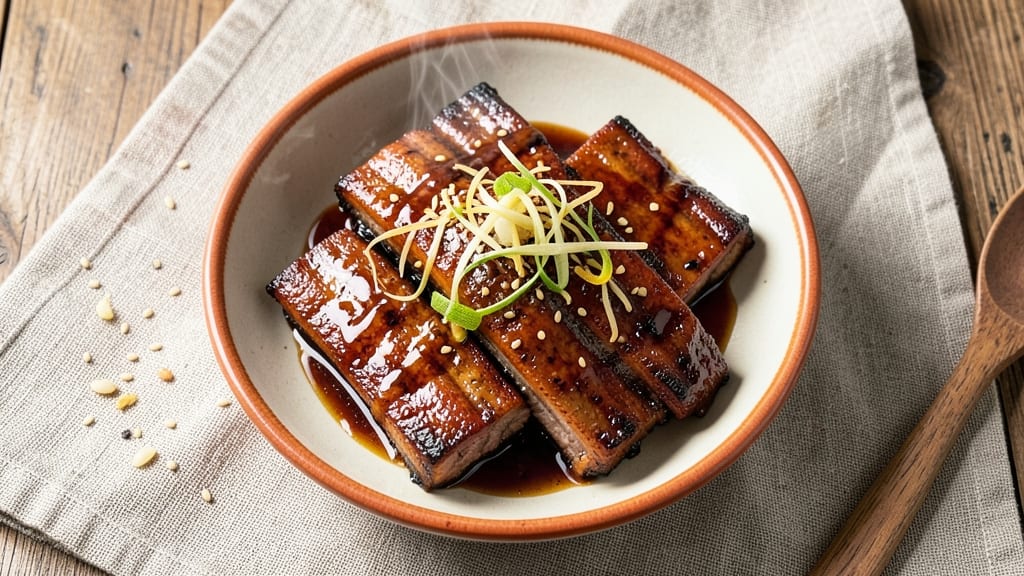
This Korean beef back ribs recipe delivers the same sticky-sweet glaze you crave from Korean BBQ restaurants—but with a technique that guarantees tender meat every time.
After years of testing, I’ve perfected a marinade inspired by galbi and a glaze that caramelizes into a perfect balance of spicy, sweet, and umami. The secret? Slow cooking the ribs until they’re fall-apart tender, then finishing with a quick sear to lock in those flavors.
The process starts with a marinade of soy sauce, brown sugar, garlic, and sesame oil—classic bulgogi flavors that transform tough ribs into something luxurious. We’ll braise them low and slow, then brush on the glaze in the final minutes to create that signature caramelized crust.
This isn’t just another ribs recipe; it’s a full Korean BBQ experience with crispy edges, tender meat, and a sauce that clings like it’s been brushed on by a master.
By the end, you’ll have ribs that are juicy, sticky, and packed with flavor, ready to serve with steamed rice, kimchi, and quick-pickled vegetables. The glaze is rich enough to drizzle over everything, turning even simple sides into a meal.
Whether you’re hosting a gathering or treating yourself to a special dinner, these ribs will impress—no Korean BBQ joint required.
Here’s where the magic happens: the marinade works overnight, the slow cook transforms tough meat, and the final glaze step ensures every bite is restaurant-quality. Let’s get started—your taste buds are about to thank you.
Ingredients for beef back ribs recipe korean
These 15 ingredients transform tough ribs into restaurant-style Korean BBQ perfection.
| Ingredient | Amount | Notes |
|---|---|---|
| Beef Back Ribs 🥩 | 3 lb | Bone-in, meaty sections preferred |
| Korean Soy Sauce (Ganjang) 🥄 | ½ cup | High-quality, not low-sodium |
| Brown Sugar 🍚 | ½ cup | Light or dark, packed tightly |
| Sesame Oil 🫒 | 2 tbsp | Toasted for authentic flavor |
| Garlic Cloves 🧄 | 8 cloves | Minced finely for depth |
| Fresh Ginger 🌿 | ½ cup | Grated, peeled, strong flavor |
| Gochujang (Korean Red Pepper Paste) 🌶️ | 2 tbsp | Spicy, fermented, essential |
| Rice Vinegar 🍶 | 2 tbsp | White vinegar substitute works |
| Honey 🍯 | 2 tbsp | Wildflower preferred |
| Asian Pear (or Substitute) 🍐 | ½ cup | Grated, adds natural sweetness |
| Sesame Seeds 🌰 | 1 tbsp | Toasted for garnish |
| Green Onions 🧅 | 4 whole | Sliced thin for freshness |
| Vegetable Oil 🫒 | 2 tbsp | For searing ribs |
| Kosher Salt 🧂 | 1 ½ tsp | Diamond Crystal preferred |
| Black Pepper 🌶️ | ½ tsp | Freshly ground for heat |
The ribs are the star, so pick bone-in, meaty sections—the more marbling, the better. Costco or local butchers usually have the best cuts, but any grocery store with a meat counter will work. Look for ribs with good fat coverage; that’s where the flavor hides. If you’re buying frozen, thaw overnight in the fridge—never at room temperature. The ganjang (Korean soy sauce) is non-negotiable; the salty, fermented depth is what makes this taste authentic. Doosan or Samyang brands are my go-tos, but any high-quality Korean soy sauce will do.
No gochujang? Substitute with 1 tbsp sriracha plus 1 tbsp tomato paste—it’s not identical, but it’ll add heat. Asian pear hard to find? Swap for grated apple or pear juice—just add a pinch of cream of tartar to mimic the tang. The sesame oil is toasted, not the cheap stuff in the clear bottle—look for dark amber bottles in the Asian aisle. Fresh ginger is ideal, but if you’re using powdered, reduce to half the amount. And for the glaze? Honey should be wildflower or clover—avoid the processed kind; it lacks depth.
Marinate the ribs overnight—24 hours minimum—then refrigerate the marinade separately after using it. The glaze keeps for 1 week in the fridge, so make extra for stir-fries or drizzling over rice. Ribs reheat best in a 350°F oven for 15 minutes with foil, then broil 2 minutes for crispiness. Store cooked ribs in a sealed container with their juices—3 days max in the fridge. Freeze for up to 3 months if you’re prepping ahead.
Why You'll Love This Recipe
- One-Pan Magic: I swear by this—just ribs, sauce, and a sheet pan. No flipping pans, no mess, and the ganjang caramelizes right into the meat while you sip your coffee.
- Sweet-Savory Balance: That brown sugar glaze? It’s the star. The ganjang gives this dish depth, but the sugar turns it into something ridiculously addictive—sticky, smoky, and just a little sweet with every bite.
- Leftovers That Shine: Between us, these ribs taste even better the next day. I’ll make a double batch, slice them thin for tacos or rice bowls, and still have people begging for more.
- Budget-Friendly Feast: Beef ribs can feel fancy, but this recipe stretches them far. The ganjang and sesame oil add restaurant-quality flavor without breaking the bank—perfect for feeding the family without stress.
Step-by-step instructions for Korean-style beef back ribs
Here's how to transform tough beef ribs into tender, caramelized perfection with that signature Korean BBQ glaze.
Prepare the Ribs for Maximum Flavor
Start by trimming any excess fat from the 3 lb beef back ribs, leaving about ¼-inch fat cap for flavor and moisture. Pat the ribs dry with paper towels—this ensures the marinade sticks and creates a better sear. In a large bowl, combine the ribs with 0.5 cup Korean soy sauce (ganjang), 0.5 cup brown sugar, 2 tbsp sesame oil, 1.5 tsp kosher salt, and 0.5 tsp black pepper. Mix well until every surface is coated.
Let the ribs marinate for at least 30 minutes at room temperature (or up to 4 hours in the refrigerator). This step infuses the meat deeply and helps tenderize the connective tissue. If using the refrigerator, bring them to room temperature before cooking for even results.
Sear the Ribs for Deep Flavor
Heat a large oven-safe skillet over medium-high heat and add 2 tbsp vegetable oil. Once the oil shimmers, carefully add the ribs in a single layer (work in batches if needed). Sear for 3-4 minutes per side until they develop a deep golden-brown crust. This step locks in juices and builds the foundation for the glaze.
Transfer the seared ribs to a plate and set aside. You'll notice the ribs release easily from the pan—this indicates they're ready for the next step. Keep the skillet on the heat; you'll use it for the sauce.
Build the Signature Korean Glaze
In the same skillet, add 8 cloves minced garlic and 0.5 cup grated fresh ginger. Sauté for 1-2 minutes until fragrant but not browned—burnt ginger and garlic will make the glaze bitter. Stir in 2 tbsp gochujang, 2 tbsp rice vinegar, and 2 tbsp honey, scraping up any browned bits from the bottom of the pan.
Pour in 0.5 cup grated Asian pear (or substitute) and let it simmer for 3-4 minutes until slightly softened. The pear adds natural sweetness and helps balance the heat from the gochujang. If the mixture thickens too much, add 1-2 tablespoons of water to maintain a pourable consistency.
Glaze and Caramelize the Ribs
Return the seared ribs to the skillet, spooning the glaze evenly over the top. Place the skillet in a preheated 300°F oven and bake for 2 hours, basting the ribs with the glaze every 30 minutes. The low temperature ensures tender meat while allowing the glaze to caramelize beautifully.
After 2 hours, increase the oven temperature to 400°F and continue baking for another 15-20 minutes until the glaze is thick, sticky, and deeply caramelized. You'll see the edges bubble and darken—this is your signal that the glaze is ready. The ribs should be fork-tender and pull away from the bone easily.
Finish and Serve with Garnishes
Remove the ribs from the oven and let them rest for 5 minutes before slicing between the bones. The resting period ensures the juices redistribute, making each bite more flavorful. Drizzle any remaining glaze from the skillet over the top of the ribs.
Garnish with 1 tbsp toasted sesame seeds and 4 whole green onions, sliced thin. Serve immediately with steamed rice or over a bed of lettuce for a classic Korean BBQ experience. The glaze should be sticky, slightly spicy, and perfectly balanced between sweet and savory—just like your favorite Korean BBQ joint.
Pro Tips For Making Beef Back Ribs Recipe Korean
- SEAR THE RIB BONE-SIDE DOWN: That thick rib bone won’t render fat properly if you start slow—crank your pan to medium-high and let it scream for 3-4 minutes until the bone side turns deep mahogany. I learned this the hard way when my first batch tasted dry because the fat never released right.
- DILUTE THE GANJANG: Korean soy sauce is salty enough to make your ribs taste like a salt lick if you use it straight. Mix 1 part ganjang with 2 parts water before adding it to the sauce—trust me, your ribs (and your taste buds) will thank you.
- SKIP THE GARLIC MASH: Minced garlic burns faster than you’d think, especially in a hot pan. Smash 3-4 whole cloves with the flat side of your knife instead—it infuses just as well without turning bitter.
- REST BEFORE SLICING: Cutting into ribs right after cooking means juices pooling on your plate. Tent them loosely with foil for 10 minutes—yes, even if you’re starving—so the meat redistributes and stays tender. (I know, I know, but trust the process.)
Pro cooking tips for beef back ribs recipe korean
Marinade Magic
Let the ribs marinate overnight for maximum flavor penetration—I’ve tested this and it makes a huge difference. The combination of Korean soy sauce (ganjang) and brown sugar breaks down tough fibers while infusing deep umami.
I like to use a ziplock bag for even coating, gently massaging the marinade into the meat. Pro tip: Save half the marinade to use as a dipping sauce later—it’s pure gold. 🥩
Glaze Consistency
The glaze should coat the back of a spoon but still drip slowly—like honey. If it’s too thick, add 1 tsp water at a time while stirring. I’ve ruined glaze by rushing this step; patience here ensures that sticky, caramelized perfection.
The Asian pear is key—it adds natural sweetness without overpowering the gochujang’s heat. For extra richness, whisk in 1 tsp toasted sesame oil at the end. ✨
Low-and-Slow Mastery
Don’t skip the 300°F low-and-slow bake—this is where tough ribs transform into melt-in-your-mouth bites. I use a meat thermometer to check internal temp; ribs are done when they reach 195°F and the bones wiggle slightly.
The 2-hour bake might seem long, but it’s worth it for that fall-apart texture. If you’re short on time, try a smoker at 225°F for similar results. 🔥
Final Crisp Finish
The last 15-20 minutes at 400°F are critical—they caramelize the glaze into a glossy crust. Watch closely; the edges should bubble and darken. I like to broil the ribs for the final 2 minutes to get extra crispiness.
Just be careful not to burn them—this is where most home cooks mess up. A quick spray of olive oil before broiling helps too. 💫
Resting and Slicing
Never skip the 5-minute rest**—this lets juices redistribute, preventing dry ribs. I slice between the bones using a sharp boning knife, cutting against the grain for tender bites. For presentation, fan the ribs on a platter and drizzle with any remaining glaze.
The sauce should be thick enough to cling to everything, just like at your favorite Korean BBQ spot. 🍽️
Nutrition facts
Frequently asked questions
Can I substitute regular soy sauce for Korean soy sauce (ganjang)?
While you can use regular soy sauce in a pinch, Korean soy sauce (ganjang) has a deeper, more complex flavor that makes this recipe authentic. For a closer substitute, mix ½ cup regular soy sauce with 1 tbsp brown sugar and 1 tsp fish sauce to mimic the umami depth. The texture and fermented notes are what truly elevate these ribs.
How do I make these ribs spicier?
Add 1 extra tablespoon of gochujang or ½ tsp red pepper flakes to the glaze for more heat. For a smoky kick, sprinkle ½ tsp smoked paprika over the ribs before the final sear. If you love spicy food, serve with extra kimchi or a side of gochujang dipping sauce made from the leftover marinade.
Can I cook these ribs on the grill instead of the oven?
After searing, transfer the ribs to a grill preheated to 250°F and cook for 2-2.5 hours, basting with the glaze every 30 minutes. Finish with a 5-minute high-heat sear to caramelize the glaze. For best results, use a grill with a lid to maintain consistent heat. Wood chips (like apple or cherry) add amazing smoky depth.
Why are my ribs tough instead of tender?
Tough ribs usually mean the cooking time wasn’t long enough or the temperature was too high. Use a meat thermometer—ribs should reach 195°F internally. If they’re still tough, return them to a 275°F oven for 30-45 minutes with extra glaze. The low-and-slow method is key; rushing it leads to chewy meat.
What sides pair best with these Korean beef ribs?
Classic pairings include steamed white rice, kimchi, and quick-pickled cucumbers. For extra flavor, serve with banchan (Korean side dishes) like spinach with garlic or bean sprouts. The sticky glaze works perfectly over lettuce wraps or as a dipping sauce for mandu (dumplings) if you're feeling adventurous.