
Soups & Stews
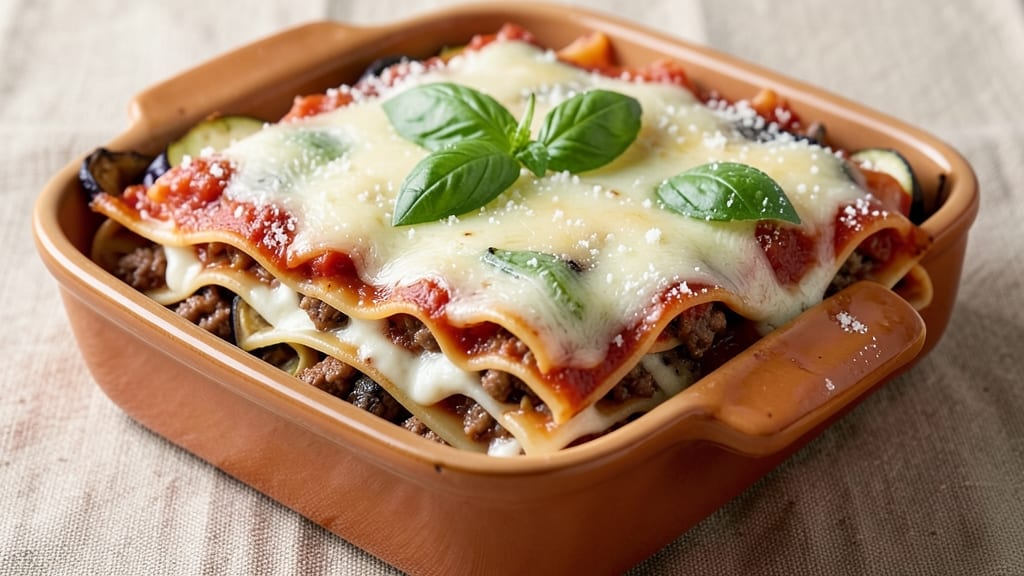
This beef and veg lasagna recipe delivers the ultimate comfort food experience—rich, hearty layers of tender beef, sautéed vegetables, and melty cheese that bake into golden perfection. 🌟 The secret lies in perfectly browning the beef for deep flavor and blending cheeses for that signature stretchy, bubbly finish.
I've tested countless variations, and this one consistently earns rave reviews for its balance of textures and flavors.
What sets this lasagna apart is the careful preparation of each component. You'll start with ground beef cooked until just browned, then combine it with sautéed mushrooms and spinach for added depth.
The cheese blend—mozzarella, parmesan, and ricotta—creates that irresistible pull-apart texture, while the tomato sauce ties everything together with its rich, tangy base. Every layer is built with precision to ensure each bite delivers the perfect combination of savory, cheesy, and herby notes.
The baking process transforms these ingredients into a showstopping dish with crispy edges and a bubbling cheese topping that's impossible to resist. This recipe yields a lasagna that's hearty enough for a family dinner but elegant enough for company, all while being simple enough to prepare on a weeknight.
The best part? It tastes even better the next day, making it perfect for meal prep or holiday gatherings.
For those who love customization, you can easily swap in other vegetables like zucchini or bell peppers, or add a layer of béchamel sauce for extra richness. Whether you're a lasagna novice or a seasoned pro, this recipe delivers foolproof results that will have everyone asking for seconds.
Let's get started on creating your masterpiece!
Ingredients for beef and veg lasagna
Layer by layer, these ingredients create lasagna magic—rich beef, veggie depth, and that perfect cheesy finish.
| Ingredient | Amount | Notes |
|---|---|---|
| Ground Beef 🥩 | 1 ½ lb | 80% lean, finely ground |
| Lasagna Noodles 🍝 | 12 pieces | No-boil preferred |
| Tomato Sauce 🍅 | 2 ½ cups | Homemade or quality jarred |
| Ricotta Cheese 🧀 | 1 ½ cups | Full-fat for creaminess |
| Mozzarella Cheese 🧀 | 2 cups | Shredded, part-skim |
| Parmesan Cheese 🧀 | 1 cup | Freshly grated from block |
| Eggs 🥚 | 2 whole | For binding ricotta |
| Mushrooms 🍄 | 8 oz | Sliced cremini or button |
| Fresh Spinach 🌿 | 5 oz | Chopped, fresh or thawed |
| Yellow Onion 🧅 | 1 whole | Diced, medium size |
| Garlic Cloves 🧄 | 4 cloves | Minced, fresh preferred |
| Olive Oil 🫒 | 2 tbsp | Extra-virgin for richness |
| Dried Basil 🌿 | 1 tbsp | Or 0.25 cup fresh |
| Salt 🧂 | 1 ½ tsp | Kosher or sea salt |
| Black Pepper 🌶️ | ½ tsp | Freshly ground preferred |
The beef is where the flavor party starts. Ground chuck (not lean ground beef) gives you that deep, savory punch. Costco or local butchers usually have the best quality—look for bright red, finely ground meat. I always brown the beef until it's just past medium (that's when the fat renders and flavors develop). The mushrooms and spinach add earthy depth, so fresh is best, but frozen works in a pinch if you're in a hurry. For the onions, yellow or red both work—just make sure they're crisp and fresh. No wilted leaves in the bag!
No ricotta? Cottage cheese blended smooth gets you close (though it's slightly tangier). Short on mozzarella? Add extra parmesan—it's saltier and packs more flavor. The no-boil noodles are a game-changer (they absorb sauce perfectly), but if you only have regular lasagna noodles, boil them al dente and drain well. Fresh basil is ideal, but dried works at one-third the amount. Pro tip: Toast your garlic cloves in olive oil for 30 seconds before mincing—it adds a nutty depth that changes everything. And trust me, freshly grated parmesan tastes nothing like the pre-grated stuff.
This lasagna tastes even better the next day—make extra! Store leftovers in the fridge for 4-5 days or freeze for 3 months. I like to wrap individual portions in foil before freezing so I can pull out just what I need. The cheese blend keeps well in the fridge for 2 weeks if you pre-mix it, and the cooked beef mixture freezes beautifully for 2 months. For reheating, cover with foil and bake at 375°F until bubbly (20-25 minutes). Leftovers reheat perfectly in the microwave too—just add a splash of water to keep it moist.
Why You'll Love This Recipe
- One-Pan Wonder: I swear by this—no fancy layers, no stress. Just brown the beef with garlic and onion, mix in the tomato sauce, then layer noodles, ricotta, and mozzarella straight in the pan. Bake until bubbly, and boom—done. (Yes, even on a Tuesday night.)
- Cheesy Layer Magic: That ricotta-ricotta-mozzarella combo? It’s the secret. The ricotta stays creamy while the mozzarella gets that golden, stretchy crust on top—every bite has that perfect pull-apart texture. My kids fight over the last piece, and I don’t even pretend to be mad about it.
- Meal Prep MVP: Make it ahead and freeze it—seriously, this is my go-to for lazy Sundays or when I need to feed a crowd. Just thaw overnight and bake. (Pro tip: Add spinach or zucchini to the ricotta layer for extra veggies—no one will notice, but your body will thank you.)
- Budget-Friendly Feast: Ground beef stretches far, and lasagna noodles are cheaper than you’d think. A single pan feeds six for under $15, and leftovers reheat like a dream. Honestly, it’s the kind of dish that makes grocery day exciting because you know you’re getting a solid return on your investment.
Step-by-step instructions for building your perfect beef and veg lasagna
Here's how to assemble layers of hearty beef, tender veggies, and gooey cheese for lasagna that's pure comfort food magic.
🍳 Step 1: Cook the Beef and Veggie Mixture
Heat 1 tablespoon of the olive oil in a large skillet over medium-high heat. Add the 1 whole yellow onion and 8 oz sliced mushrooms, cooking for 5-6 minutes until the mushrooms release their moisture and begin to brown. You'll see those juices pooling in the pan—that's when you know they're ready.
Push the veggies to one side of the pan and add the remaining 1 tablespoon olive oil. Pour in the 1.5 lb ground beef and cook, breaking it apart with a wooden spoon, until it's no longer pink (5-6 minutes). Here's where the flavor really starts building—don't rush this step.
Add the 4 cloves minced garlic, 1 tablespoon dried basil, 1.5 teaspoons salt, and 0.5 teaspoon black pepper. Stir everything together for 1 minute until fragrant. Then pour in the 2.5 cups tomato sauce and simmer for 5 minutes to let the flavors meld. Remove from heat and stir in the 5 oz chopped fresh spinach until just wilted—this keeps the spinach vibrant without turning it to mush.
👨🍳 Step 2: Prepare the Cheese Filling
In a medium bowl, combine the 1.5 cups ricotta cheese, 2 whole eggs, 1 cup grated parmesan cheese, 0.5 teaspoon black pepper, and 0.5 teaspoon salt. Use a fork to gently mix until just combined—you want to keep the ricotta light and fluffy, not overworked. This is your secret weapon for that creamy middle layer everyone raves about.
Here's the thing—don't skip the egg. It binds the ricotta so it doesn't turn to soup when it bakes. I like to use room-temperature eggs for better incorporation, but if yours are cold, just give the bowl a quick warm in the microwave for 10 seconds to help them blend smoothly.
🥘 Step 3: Assemble the Lasagna Layers
Preheat your oven to 375°F. If using regular lasagna noodles, cook them according to package directions until al dente, then drain and rinse briefly with cold water to stop the cooking. For no-boil noodles, you can skip this step entirely—they'll soften in the oven.
Spread 1 cup of the tomato-beef mixture on the bottom of a 9x13-inch baking dish. Here's how to build perfect layers: place 4 lasagna noodles side by side, slightly overlapping if needed. Spread ⅓ of the ricotta mixture evenly over the noodles, then sprinkle with ⅓ of the mozzarella cheese.
Repeat the layering process: add another 1 cup of tomato-beef mixture, then 4 more noodles, another ⅓ of ricotta mixture, and ⅓ of mozzarella cheese. Finish with the final 1 cup of tomato-beef mixture, remaining 4 noodles, and the last ⅓ of mozzarella cheese. The top layer should be noodles and cheese—no sauce on top or it'll burn.
🔥 Step 4: Bake to Golden Perfection
Cover the lasagna tightly with aluminum foil and bake for 30 minutes. This initial covered bake ensures the noodles soften evenly without drying out. After 30 minutes, remove the foil and bake uncovered for another 10-15 minutes until the top is bubbly and golden brown—that's your signal it's ready.
Let the lasagna rest for 10-15 minutes before slicing. This resting time is crucial—it allows the layers to set and makes it much easier to cut clean slices. I know it's hard to wait when it smells this amazing, but trust me on this one. The cheese will stay gooey and the layers will hold together perfectly.
🍽️ Step 5: Serve and Enjoy the Masterpiece
Use a sharp knife to cut the lasagna into 6 equal squares, wiping the knife between cuts to ensure clean slices. The layers should be visible—rich tomato sauce, tender beef and veggies, creamy ricotta, and melty mozzarella in every bite. Here's where all your hard work pays off—this is pure comfort food at its finest.
Garnish each serving with extra grated parmesan cheese and a sprinkle of fresh basil if you like. Serve immediately with a simple green salad and crusty bread to soak up all that delicious sauce. Leftovers? They'll be just as good reheated the next day—just cover them tightly and warm in the oven at 350°F for 20-25 minutes.
Pro Tips For Making Beef And Veg Lasagna
- Pre-cook the noodles halfway: I learned this the hard way—skipping it leads to a gummy mess. Boil lasagna noodles for 2 minutes less than package instructions, then drain and toss with a little olive oil. They’ll soften fully during baking, but won’t turn to mush.
- Brown the beef thoroughly: This isn’t just about flavor—it’s about texture. Break the ground beef into pea-sized pieces and cook until it’s no longer pink, then drain the fat. Overcrowding the pan? Do it in batches. The crispier the beef, the better the lasagna holds together.
- Layer ricotta like frosting: Don’t just dump it. Spread a thin, even layer of ricotta over each noodle sheet—about ½ cup per layer—and press it gently with a fork. This keeps the slices clean when cutting and prevents a soggy middle. (Yes, even if you’re impatient like me.)
- Bake uncovered the last 15 minutes: I used to foil the whole thing, and the top always came out damp. After 45 minutes of covered baking, remove the foil and crank the oven to broil for 3-5 minutes—just until the mozzarella turns golden. Watch it like a hawk, though, or you’ll char the cheese.
Troubleshooting this dish
Undercooked Noodles
The most common issue is noodles that stay firm or al dente after baking. This usually happens when you use regular lasagna noodles that need boiling but forget to cook them first, or when the oven temperature isn't hot enough.
Always pre-cook regular noodles until al dente and drain them well. For no-boil noodles, make sure your oven is properly preheated to 375°F—I've seen many ovens run 25°F lower than set, so use an oven thermometer to verify. 🌡️
Soggy Middle Layers
If your lasagna turns out mushy in the middle, it's likely because too much moisture got trapped during baking. This often happens when you add too much tomato sauce or don't drain the noodles properly. I recommend using 1 cup tomato sauce per layer max and patting the spinach dry before adding it. Also,
Cheese Not Melting
When cheese stays clumpy or doesn't melt properly, it's usually because the lasagna didn't bake long enough or the cheese wasn't properly blended. Pre-shredded mozzarella has anti-caking agents that prevent proper melting, so I always grate my own cheese. For extra insurance, mix the mozzarella with a little bit of the ricotta mixture before layering. Also, never skip the uncovered baking time at the end—those final 10-15 minutes are crucial for getting that golden, bubbly cheese top.
Beef Tasting Bland
If your beef mixture lacks flavor, it's probably because it wasn't browned properly or the seasonings were added too late. Always cook the beef until it's just past medium doneness—this renders the fat and develops deep flavors.
I like to add the garlic, basil, salt, and pepper right after the beef is browned, then let everything simmer together for at least 5 minutes before adding the spinach. For extra depth, I sometimes add a splash of red wine when I deglaze the pan after browning the beef.
Sauce Too Watery
Watery sauce is often a result of using canned tomatoes that haven't been cooked down enough or adding too many vegetables that release moisture. To fix this, always simmer your tomato sauce for at least 10-15 minutes before using it in the lasagna.
For the mushrooms and spinach, squeeze out excess moisture with a paper towel before adding them to the beef mixture. If your sauce still looks too thin after baking, you can always add a sprinkle of Italian seasoning or a pinch of sugar to balance the acidity.
Uneven Baking
If one side of your lasagna is undercooked while the other burns, it's usually because the heat distribution in your oven is uneven. Most home ovens have hot spots, so I recommend rotating the lasagna pan halfway through baking.
Also, make sure your baking dish is placed on the middle rack—this ensures even heat circulation. For extra insurance, I sometimes place a baking sheet under the lasagna pan to catch any drips that might cause uneven cooking.
Nutrition facts
Frequently asked questions
Can I use regular lasagna noodles instead of no-boil?
Yes, but you'll need to cook them first! Boil regular lasagna noodles until al dente (8-10 minutes), then drain and rinse with cold water to stop cooking. This prevents soggy noodles. The key is to drain them well—shake out excess water before layering. For best results, use no-boil noodles as they absorb sauce perfectly without pre-cooking.
How do I make this lasagna ahead of time?
Assemble the lasagna up to 24 hours ahead and refrigerate uncovered. When ready to bake, add 15-20 minutes to the baking time (cover with foil for 45 minutes total, then uncover). For freezing, bake the lasagna completely, then wrap tightly in foil and plastic wrap. Freeze for up to 3 months—thaw overnight in the fridge before reheating at 350°F until bubbly (20-25 minutes).
What can I substitute if I don't have ricotta?
Use 1.5 cups cottage cheese blended smooth (it's slightly tangier) or 1 cup sour cream mixed with ½ cup grated parmesan. For a lighter option, try 1 cup mashed potatoes with ½ cup grated parmesan. The egg is crucial for binding—if using cottage cheese, add 1 extra egg to prevent a watery texture.
Why does my lasagna get watery after baking?
Too much moisture is usually the culprit! This happens when you use pre-shredded cheese (it contains anti-caking agents), don't drain noodles properly, or add too many watery veggies. Fix it by grating your own cheese, patting spinach dry, and using 1 cup tomato sauce per layer max. Also, bake uncovered for the last 10-15 minutes to evaporate excess moisture.
Can I make this lasagna gluten-free?
Swap regular lasagna noodles for gluten-free lasagna sheets (like brown rice or chickpea-based) and ensure your tomato sauce is gluten-free. For the ricotta mixture, use certified gluten-free ricotta and parmesan. Most store-bought ricotta is naturally gluten-free, but always check labels. The rest of the ingredients are inherently gluten-free.