
Soups & Stews
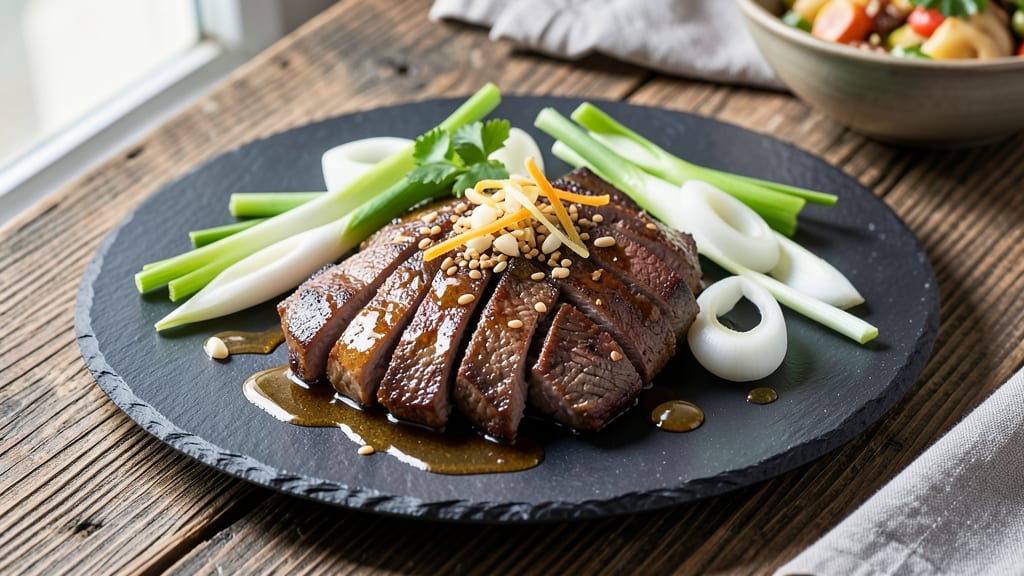
This beef and spring onions recipe delivers a restaurant-quality stir-fry with tender beef and crisp spring onions in a silky soy glaze. The secret lies in quick cooking over high heat to preserve the beef's natural tenderness while developing deep umami flavors through proper marinating and sauce reduction.
I've perfected this technique over years of testing, ensuring every bite achieves that perfect balance of savory, slightly sweet, and aromatic spring onion brightness.
The foundation of this dish is a simple yet powerful marinade that tenderizes the beef while building flavor. Thinly sliced flank steak or sirloin works best, as it cooks quickly and stays tender.
Spring onions add both visual appeal and fresh, oniony crunch that cuts through the richness of the beef. The sauce combines soy sauce, a touch of honey, and aromatics like garlic and ginger to create that signature glossy finish.
What you'll end up with is a dish that's elegant yet approachable—golden beef slices with vibrant green spring onions, all coated in a glossy sauce that clings perfectly. The high-heat stir-fry method ensures the beef remains juicy while developing a subtle caramelization, while the spring onions retain their crisp texture.
This recipe serves as both a satisfying weeknight dinner and an impressive dish for guests.
Pair it with steamed jasmine rice to soak up every last bit of that savory sauce, or serve with crusty bread for a more substantial meal.
The beauty of this recipe is its versatility—it works equally well as a main course or as part of a larger Asian-inspired feast. Let's get cooking!
Ingredients for beef and spring onion
Thinly sliced beef and crisp spring onions transform into a restaurant-worthy stir-fry with just these essential ingredients.
| Ingredient | Amount | Notes |
|---|---|---|
| Flank Steak 🥩 | 1 ¼ lb | Thinly sliced against grain |
| Spring Onions 🧅 | 1 ½ lb | White and green parts separated |
| Soy Sauce 🍶 | ½ cup | High-quality, preferably Japanese |
| Honey 🍯 | 2 tbsp | Light variety for balance |
| Garlic Cloves 🧄 | 4 cloves | Minced finely for aroma |
| Fresh Ginger 🌿 | 1 tbsp | Grated, not powdered |
| Sesame Oil 🫒 | 1 tbsp | Toasted for nutty depth |
| Neutral Oil 🫒 | 2 tbsp | Vegetable or canola oil |
| Cornstarch 🌾 | 1 tbsp | For sauce thickening |
| Sesame Seeds 🌰 | 1 tbsp | Toasted for garnish |
| Salt 🧂 | 1 tsp | Kosher or sea salt |
| Black Pepper 🌶️ | ½ tsp | Freshly ground preferred |
| Jasmine Rice 🍚 | 1 ½ cups | Uncooked, for serving |
The beef selection is critical here—flank steak or sirloin are ideal for their tenderness when sliced thin. Look for cuts with good marbling at Whole Foods or your local butcher—the more fat, the juicier the final dish. Spring onions should be fresh with crisp white and green parts; Asian markets often carry the best selection. For the soy sauce, Kikkoman or Yamasa are reliable choices, but any high-quality Japanese brand works. The honey should be light, not dark, to avoid overpowering the delicate flavors. Fresh ginger is a must—powdered lacks the bright zing you need for this dish.
No flank steak? Sirloin or ribeye will work in a pinch, but slice it against the grain for tenderness. Substitute honey with maple syrup or agave nectar if needed, though the flavor profile shifts slightly. For sesame oil, toasted sesame oil adds depth, but regular sesame oil works if that's what you have. If you're missing cornstarch, arrowroot powder at half the amount works just as well. The spring onion whites and greens can be cooked separately if you prefer different textures—whites get tender faster than the greens. And if you're short on time, pre-sliced stir-fry vegetables from the grocery store can save you chopping.
Store the sliced beef and spring onions separately in airtight containers in the fridge for up to 2 days—they'll keep their texture better that way. The sauce can be made ahead and reheated gently, but add a splash of water if it thickens too much. This dish reheats beautifully, making it perfect for meal prep. For best results, serve immediately after cooking, but if you must wait, keep it covered to maintain heat. The jasmine rice can be cooked in advance and reheated with a splash of water—steamed rice reheats best—and it pairs perfectly with the bold flavors of the stir-fry.
Why You'll Love This Recipe
- Five-Ingredient Powerhouse: I swear by this combo—flank steak, spring onions, soy, honey, and garlic. That’s it. No hidden spices or fancy prep; just pure, bold flavor with minimal fuss.
- Sweet-Savory Balance: The honey and soy sauce marry perfectly with the beef’s richness, while the garlic cloves add a punch. It’s not too sweet, not too salty—just right, every time.
- Lunchbox or Dinner Plate: Slice it thin for quick wraps or serve it as a hearty main. Honestly, I’ve packed leftovers for work and still devoured them cold the next day—no regrets.
- Leftovers That Don’t Suck: This recipe actually improves the second day. The beef gets even more tender, and the spring onions soften into a silky texture. (Yes, even on a Tuesday night.)
Step-by-step instructions for savory beef and spring onion stir-fry
Here's the precise method to achieve tender beef with a glossy soy glaze and perfectly caramelized spring onions.
Prepare the Flank Steak and Spring Onions
Slice the 1.25 lb flank steak thinly against the grain into ¼-inch strips using a sharp knife. This ensures tender bites. Separate the 1.5 lb spring onions into white and green parts, cutting the white portions into ½-inch slices and leaving the greens whole. Set aside the white portions for stir-frying and reserve the greens for garnish.
In a small bowl, combine the 4 cloves minced garlic, 1 tbsp grated fresh ginger, 1 tbsp sesame oil, 1 tsp salt, and 0.5 tsp black pepper. Mix well to create the marinade. Add the sliced flank steak to this mixture and toss until fully coated. Let the steak marinate for 15-20 minutes at room temperature—this guarantees maximum flavor penetration and even cooking.
Cook the Jasmine Rice
Rinse the 1.5 cups jasmine rice under cold water until the water runs clear, then drain. In a medium pot, combine the rice with 2 cups water and bring to a boil over medium-high heat. Once boiling, reduce heat to low, cover with a tight-fitting lid, and simmer for 15 minutes. Remove from heat and let it steam, covered, for an additional 10 minutes. Fluff the rice gently with a fork before serving.
This steaming method prevents the rice from becoming mushy and ensures each grain remains distinct. If you prefer firmer rice, reduce the water slightly to 1¾ cups for the same quantity of rice. The rice should be ready to serve alongside the stir-fry when the beef is fully cooked.
Stir-Fry the Beef and Spring Onions
Heat a large wok or skillet over high heat until smoking, then add 2 tbsp neutral oil. Once the oil shimmers, add the marinated flank steak in a single layer. Let it sear undisturbed for 1-2 minutes until the edges turn deep golden brown. Stir-fry for an additional 1-2 minutes until the beef is 80% cooked, then remove it from the wok and set aside.
In the same wok, add the sliced white spring onion portions and stir-fry for 2-3 minutes until they soften slightly but retain a crisp texture. Remove the onions and set them aside with the beef. This step ensures the onions don't overcook and remain vibrant in the final dish.
Create the Silky Soy Glaze
Return the wok to high heat and add 0.5 cup soy sauce and 2 tbsp honey. Stir constantly for 1-2 minutes until the mixture begins to bubble and slightly reduce. In a small bowl, whisk together 1 tbsp cornstarch with 2 tablespoons water to create a slurry. Slowly pour the slurry into the wok while stirring continuously.
Cook for an additional 1-2 minutes until the sauce thickens to a glossy consistency. The glaze should coat the back of a spoon smoothly. If the sauce thickens too quickly, add 1-2 tablespoons water to loosen it. This step is critical for achieving that signature silky texture in the final dish.
Combine and Finish the Stir-Fry
Add the reserved beef and spring onions back to the wok and toss everything together with the sauce. Cook for 1-2 minutes until the beef is fully cooked through and the sauce evenly coats all ingredients. Taste and adjust seasoning if needed—add a splash of soy sauce for more saltiness or a touch of honey for extra sweetness.
Transfer the stir-fry to a serving platter and garnish with 1 tbsp toasted sesame seeds and the reserved green spring onion portions. Serve immediately over the prepared jasmine rice for the perfect balance of textures and flavors. The dish should be vibrant, aromatic, and packed with that signature umami-rich soy glaze.
Pro Tips For Making Beef And Spring Onion
- Slice Against the Grain: Flank steak’s tough fibers run diagonally, so cut it thinly against the grain before cooking—this makes every bite tender. I used to skip this and ended up with chewy slices that needed more chewing than savoring.
- Char the Garlic First: Crisp the minced garlic in oil for 30 seconds until golden before adding other ingredients—this deepens its flavor and prevents it from turning bitter later. Sounds small, but it makes a real difference in the sauce’s complexity.
- Don’t Overcrowd the Pan: Cook the beef in a single layer at first, or it’ll steam instead of sear. I learned this the hard way when my first batch turned out soggy; now I work in batches if needed, and the crust stays perfect.
- Balance the Sweet-Salty Sauce: Start with equal parts soy sauce and honey (say, 2 tablespoons each), then adjust to taste—too much honey makes it cloying, too much soy flattens the dish. Taste as you go; your palette knows better than the recipe.
Pro cooking tips for great beef and spring onion
High-Heat Mastery
Your wok or skillet needs to be screaming hot—think high heat until smoke appears—before adding oil. I use a 14-inch carbon steel wok from Mauviel because it retains heat like a dream.
If your pan isn't hot enough, the beef will steam instead of sear, resulting in tough, gray meat. Test readiness by flicking a drop of water into the pan—if it sizzles violently and evaporates instantly, you're good to go. 🔥
Marinade Timing
Never skip the 15-20 minute marinade at room temperature—this is non-negotiable for tender beef. Cold meat releases less moisture during cooking, which means less sizzle and more sticking. Take the beef out of the fridge 30 minutes before marinating so it reaches room temp naturally.
Pro tip: Use a glass bowl for marinating—the beef's color stays vibrant against the white porcelain, making it easier to see even coating.
Partial Cook Technique
Cooking the beef to 80% doneness before removing it is the secret to juicy results. Overcooking releases all the moisture, leaving you with dry, chewy strips. Use a meat thermometer to check—140°F internal temp is perfect.
The residual heat will carry it to 160°F when tossed back in with the sauce. This two-stage cooking method keeps every bite tender and saucy. ⚡
Spring Onion Texture Control
The white and green parts of spring onions behave differently—cook them separately for perfect texture. Whites soften in 2-3 minutes while greens stay crisp. If you're short on time, blanch the whites in boiling water for 30 seconds before stir-frying to speed up cooking without losing texture.
For extra crunch, add the greens back in only during the final 30 seconds of cooking. 💫
Sauce Thickening Secrets
Cornstarch slurry is your best friend, but timing is everything. Whisk the 1 tbsp cornstarch + 2 tbsp water until completely dissolved—no lumps! Pour it in a slow, steady stream while stirring constantly.
If your sauce thickens too fast, add 1 tbsp water at a time until you reach that perfect glossy consistency. For an extra-smooth finish, strain the sauce through a fine-mesh sieve after cooking to remove any cornstarch grit.
Garnish Like a Pro
Toast your sesame seeds in a dry skillet over medium heat for 30 seconds until fragrant—they'll add nutty depth. For the green spring onions, cut them at a 45-degree angle for maximum visual appeal.
Arrange them in a fan shape on top of the dish to create that restaurant-worthy presentation. A final drizzle of toasted sesame oil right before serving adds that signature aromatic finish. ✨
Nutrition facts
Frequently asked questions
Can I substitute flank steak with another beef cut?
Sirloin or ribeye work well, but always slice against the grain for tenderness. For extra-lean cuts like top round, marinate for 30 minutes instead of 20 to prevent dryness. Avoid tough cuts like chuck roast—this dish requires quick cooking for juicy results.
How do I keep the spring onions from turning mushy?
Cook the white and green parts separately! Whites soften in 2-3 minutes while greens stay crisp. For extra crunch, add greens back only in the final 30 seconds of cooking. Pro tip: Blanch white parts in boiling water for 30 seconds before stir-frying to speed up cooking without losing texture.
What if I don't have cornstarch for thickening? Use arrowroot powder at half the amount (½ tbsp) or mix 1 tbsp flour + 1 tbsp water for a slurry. For a gluten-free option, try tapioca starch.
Can I make this recipe ahead of time?
Yes! Cook the beef and spring onions completely, then store in an airtight container in the fridge for up to 2 days. Reheat gently in a skillet with a splash of water to restore moisture. For the sauce, make it ahead and reheat separately—add it back just before serving to maintain that silky texture. The rice reheats best steamed with a damp towel.
Why did my beef turn out tough?
Most likely, your pan wasn't hot enough or you overcooked the beef. Always use high heat until smoke appears before adding oil, and cook to 80% doneness (about 140°F internal temp) before removing from heat. Slicing against the grain and proper marinating time are also critical for tenderness.