
Soups & Stews
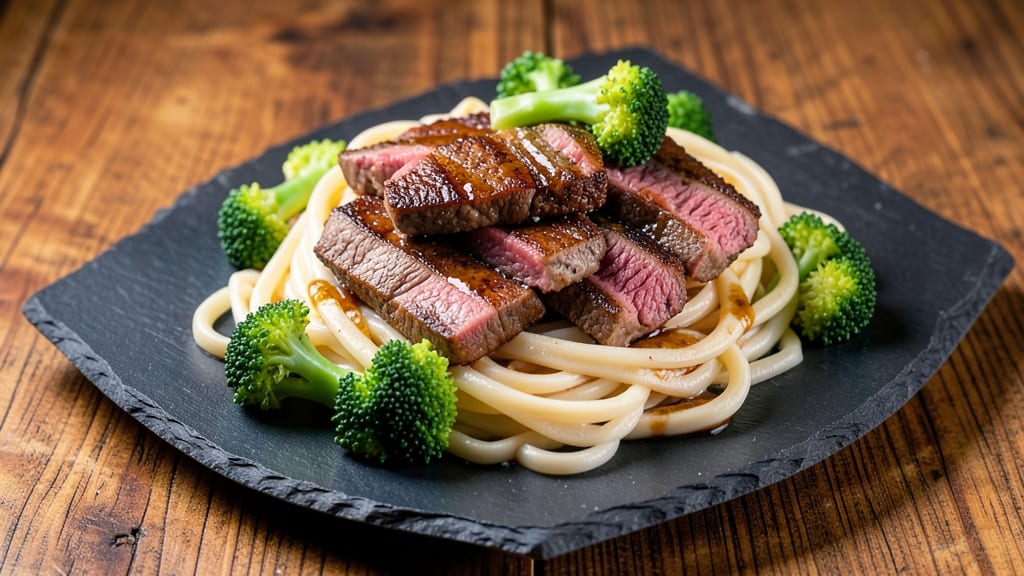
This beef and broccoli udon recipe delivers restaurant-quality wok-tossed richness with silky noodles in under 30 minutes. The secret lies in perfectly seared beef strips and vibrant broccoli florets tossed with a savory soy-based sauce, all balanced by the chewy texture of fresh udon noodles.
I developed this version after years of experimenting with stir-fry techniques, ensuring every bite captures that signature wok hei aroma while keeping the process accessible for home cooks.
The foundation begins with thinly sliced beef that develops a caramelized crust from high-heat stir-frying, while broccoli retains its crisp-tender texture through quick blanching.
A simple yet impactful sauce—combining soy sauce, mirin, and a touch of sesame oil—ties everything together, creating a glossy coating that clings to both noodles and vegetables.
What sets this recipe apart is the harmony of textures: the slight bite of broccoli, the tender beef, and the silky udon that absorbs the sauce without becoming mushy.
By the time you plate this dish, you'll have a vibrant bowl of beef and broccoli udon that looks as impressive as it tastes—golden-brown beef, bright green broccoli, and glossy noodles all nestled together.
The aroma alone will draw everyone to the table, while the first bite delivers that perfect balance of savory, umami, and freshness. This recipe proves you don't need a wok to achieve restaurant-quality results at home.
Whether you're serving this as a weeknight dinner or preparing for a casual gathering, the versatility of this dish shines. The sauce can be adjusted to suit your preference—sweeter with more mirin, saltier with extra soy, or richer with a dash of oyster sauce.
The udon noodles can be cooked ahead and reheated quickly, making this a truly convenient yet elevated meal option.
Ingredients for beef and broccoli udon
Restaurant-quality wok-tossed richness starts with these 14 simple yet essential ingredients.
| Ingredient | Amount | Notes |
|---|---|---|
| Udon Noodles 🍜 | 8 oz | Fresh or dried, cut into 4-inch pieces |
| Flank Steak 🥩 | 1 lb | Thinly sliced against grain |
| Broccoli Florets 🥦 | 4 cups | Cut into bite-sized pieces |
| Soy Sauce 🍶 | ⅓ cup | High-quality, preferably Japanese |
| Mirin 🍶 | ¼ cup | Sweet cooking rice wine |
| Sesame Oil 🫒 | 1 tbsp | Toasted for authentic flavor |
| Garlic Cloves 🧄 | 4 cloves | Minced finely |
| Ginger 🌿 | 1 tbsp | Fresh, grated |
| Vegetable Oil 🫒 | 2 tbsp | High smoke point |
| Green Onions 🧅 | 3 whole | Sliced thin for garnish |
| Sesame Seeds 🌱 | 1 tbsp | Toasted lightly |
| Salt 🧂 | 1 tsp | Kosher or sea salt |
| White Pepper 🌶️ | ½ tsp | Freshly ground |
| Oyster Sauce 🍶 | 1 tbsp | Optional for extra richness |
The beef is everything here—flank steak is perfect for its lean texture and flavor. Look for well-marbled cuts at Whole Foods or your local butcher. Thinly slicing against the grain ensures tender bites. For broccoli, fresh florets are key—avoid pre-cut pieces that wilt quickly. If you can't find fresh udon, dried works fine, just cook them ahead and reheat in hot water. The sauce ingredients are pantry staples, but Japanese soy sauce and mirin make a noticeable difference—don't skimp on those.
No mirin? Dry sherry plus 1 tsp sugar works in a pinch. Short on sesame oil? Toasted sesame seeds plus neutral oil gives that nutty aroma. For extra umami, 1 tsp fish sauce (if not vegetarian) or 1 tsp soy sauce reduction boosts depth. The garlic and ginger should be freshly grated or minced—pre-minced jars lack punch. If you're making this ahead, cook the noodles last to prevent mushiness. The oyster sauce is optional but adds that signature restaurant richness—Lee Kum Kee is the brand I always reach for.
Prep the beef and broccoli first—they cook fastest. Store any unused sauce in a jar for up to 1 week in the fridge. The udon noodles? Cook them ahead and store in cold water to prevent sticking. This dish reheats beautifully—just add a splash of water to the pan and toss everything together. The flavors actually improve after sitting for 20 minutes, so make it ahead if possible. Garnish with toasted sesame seeds right before serving—they add that crucial crunch.
Why You'll Love This Recipe
- No-Chop Night: I swear by this when I’m too tired to dice anything—just slice the flank steak thin (or buy pre-sliced) and toss in whole broccoli florets. The steak cooks in the same pan as the sauce, so no extra bowls or mess. Honestly, it’s the kind of meal that makes me feel like I’ve earned my dinner.
- Umami Bomb: That combo of soy sauce, mirin, and seared flank steak? It’s ridiculously good. The mirin adds this sweet, glossy depth that makes the sauce cling to the noodles like it’s meant to be there. And the broccoli? It soaks up the flavor instead of getting soggy—crisp-tender every time.
- Lunchbox Hero: Between us, this is my go-to for meal prep. Cook a big batch of udon, slice the beef extra thin, and pack it with raw broccoli florets to steam in the thermos. By lunchtime, it’s warm, saucy, and way better than sad desk salads. (Yes, even on a Tuesday night.)
- Budget Flex: Flank steak is cheaper than you think when sliced thin, and udon lasts forever in the pantry. A single package of noodles and a head of broccoli stretch this into three solid meals—no takeout splurges needed. I’ll be real: my wallet thanks me every time.
Step-by-step instructions for beef and broccoli udon
Here's how to create restaurant-quality wok-tossed udon with tender beef and crisp-tender broccoli.
Prepare the Udon Noodles
Bring a large pot of water to a rolling boil and add the 8 oz udon noodles. Cook according to package directions for al dente texture—typically about 4-5 minutes for fresh udon. Drain immediately and rinse under cold water for 10 seconds to stop cooking. Toss with 1 teaspoon salt to enhance flavor and prevent sticking.
Here's the thing—udon noodles continue cooking when tossed with hot ingredients. By rinsing and salting them now, you'll maintain their silky texture while preventing mushiness when everything comes together. Keep them covered with a damp towel until ready to use.
Marinate and Sear the Flank Steak
In a bowl, combine the 1 lb flank steak with 0.33 cup soy sauce, 0.25 cup mirin, 1 tablespoon sesame oil, 1 tablespoon oyster sauce, and 0.5 teaspoon white pepper. Marinate for at least 15 minutes—this ensures tender beef with deep flavor penetration.
Heat 1 tablespoon vegetable oil in a wok or large skillet over high heat until shimmering. Add the marinated steak in a single layer and sear for 2-3 minutes per side until browned but still slightly pink in the center. Remove and set aside—this quick sear locks in juices while creating that beautiful caramelized crust.
Stir-Fry Broccoli and Aromatics
In the same wok, add the remaining 1 tablespoon vegetable oil and heat until hot. Add the 4 cups broccoli florets and stir-fry for 2-3 minutes until bright green and just beginning to soften. Add the 4 cloves minced garlic and 1 tablespoon grated ginger, cooking for another 30 seconds until fragrant.
Watch the broccoli closely—you want it to maintain its vibrant color and crisp-tender texture. If it starts wilting too quickly, remove it temporarily while you finish the aromatics. The key is high heat and quick cooking to preserve that fresh, bright appearance.
Combine Everything for Perfect Balance
Return the seared steak to the wok along with the cooked broccoli mixture. Add the prepared udon noodles and toss everything together for 1-2 minutes until well coated and heated through. The residual heat from the wok will finish cooking the steak perfectly.
Taste and adjust seasoning if needed—you might want to add a splash of water or more soy sauce to create the ideal sauce consistency. The dish should have a perfect balance of savory, slightly sweet, and umami flavors with that signature wok-hei (breath of the wok) aroma.
Garnish and Serve Immediately
Transfer the beef and broccoli udon to serving plates. Drizzle with any remaining sauce from the wok, then sprinkle with the 1 tablespoon toasted sesame seeds and sliced 3 whole green onions. Serve immediately while hot—this dish tastes best straight from the wok.
Each bite should deliver perfectly tender beef, crisp-tender broccoli, and silky udon noodles all coated in that rich, savory-sweet sauce. The sesame seeds add a delightful crunch, while the green onions provide a fresh finish that cuts through the richness.
Pro Tips For Making Beef And Broccoli Udon
- Slice Steak Thin: I learned this the hard way—thick flank steak slices turn tough no matter how long you sear. Use a sharp knife and cut against the grain at a 45-degree angle for paper-thin strips that cook in seconds and stay tender. (Yes, even if you’re impatient like me, resist the urge to rush this.)
- Blanch Broccoli First: Broccoli that’s still crunchy after stir-frying is a crime. Give those florets a quick 30-second blanch in boiling water, then shock in ice water—this halts cooking and keeps them vibrant. Now they’ll absorb the sauce without turning to mush.
- Salt the Udon Water: Fresh udon noodles need a proper bath, not just plain water. Add 1 tablespoon of salt to the boiling pot—this prevents them from turning slimy and ensures they hold their shape. (Your future self will thank you when the noodles don’t fall apart mid-stir.)
- Deglaze with Mirin Early: Skip the crowded pan and let the mirin work its magic. After searing the beef, pour in 1 tablespoon of mirin immediately—it’ll dissolve the fond and add sweetness without burning. The rest goes in later for balance, but this step guarantees depth of flavor. (Does it look weird? Yes. Does it work? Every single time.)
Troubleshooting great beef and broccoli udon
Undercooked Beef Fix
If your beef strips remain pink in the center after stir-frying, they likely weren't cooked long enough. The key is achieving 145°F internal temperature—use an instant-read thermometer to check the thickest piece.
If needed, return the beef to the wok for 1-2 minutes over medium-high heat while tossing with any accumulated juices. For extra tenderness, slice the beef thinner against the grain before cooking. 🔥
Mushy Broccoli
Overcooked broccoli ruins the dish's texture contrast. To prevent this, blanch the florets in boiling water for 30 seconds before stir-frying, then shock in ice water. When stir-frying, cook for no more than 2-3 minutes on high heat.
If using pre-cut broccoli, trim any wilted edges and add it back to the wok for just 30 seconds at the end. 🥦
Sauce Too Thin
A watery sauce happens when too much liquid is added or the wok isn't hot enough. To fix it, let the sauce reduce by simmering uncovered for 2-3 minutes over medium-high heat.
For instant thickening, mix 1 teaspoon cornstarch with 2 tablespoons water, stir into the sauce, and cook for 1 minute. If the sauce is still too thin, add ½ teaspoon toasted sesame seeds to create a creamy texture illusion. 💫
Noodles Too Soft
Overcooked udon noodles become mushy when they sit too long in hot sauce. Cook them just until al dente (about 1 minute less than package instructions), then rinse in cold water immediately. When tossing with the sauce, work quickly over high heat for 1-2 minutes max.
For extra texture, add ½ cup cold water to the wok when combining everything—it'll create steam that firms up the noodles. ⚡
Dry Beef
Leathery beef usually means it was overcooked or not marinated long enough. For future attempts, marinate the beef for 30-60 minutes (acidic ingredients like mirin tenderize). When searing, use medium-high heat and avoid overcrowding the pan.
If you've already cooked it, try this trick: place the beef in a bowl with 2 tablespoons warm water and 1 teaspoon soy sauce, then microwave for 15 seconds to restore moisture. 💡
Lacking Wok Hei
The signature "breath of the wok" aroma comes from high heat and quick cooking. To recreate it at home, use a heavy-bottomed skillet or wok on the highest heat setting. Add a ½ teaspoon sugar to the sauce before tossing with noodles—it caramelizes slightly, enhancing depth.
For extra smokiness, finish with 1 teaspoon toasted sesame oil right before serving. If your stove isn't hot enough, preheat the pan for 2 minutes before adding oil. 🌶️
Nutrition facts
Frequently asked questions
Can I use regular spaghetti instead of udon noodles?
While you can substitute spaghetti, it won't deliver the same silky texture and rich flavor. Udon noodles are thicker and chewier, designed to soak up the savory sauce beautifully. If you must use spaghetti, cook it 1 minute less than package instructions to prevent mushiness when tossed. Try adding 1 teaspoon sesame oil to the water for extra richness.
How do I prevent the beef from getting chewy?
Slice the beef thinly against the grain and marinate for at least 15 minutes (up to 1 hour for maximum tenderness). Use high heat when searing to create a crust that seals in juices. For extra insurance, pound the beef to an even ¼-inch thickness before cooking.
What's the best way to make this recipe vegetarian?
Replace the beef with extra-firm tofu or mushrooms (shiitake or king oyster work best). Press and slice the tofu to mimic beef texture, then pan-fry until golden. For mushrooms, slice them thinly and sear until deeply caramelized. Boost umami with 1 tablespoon soy sauce and ½ teaspoon white pepper in the marinade.
Can I make this dish ahead of time?
Cook the beef and broccoli separately, then store them in the fridge for up to 2 days. Keep the udon noodles uncooked until serving. When ready to eat, quickly reheat the beef and broccoli in a wok, then toss with freshly cooked udon and a splash of water to revive the sauce. The flavors actually improve after resting!
Why does my sauce turn out too salty?
Too much soy sauce is the usual culprit. Start with ⅓ cup and taste as you go—you can always add more mirin or water to balance. For quick fixes, stir in 1 teaspoon sugar or ½ teaspoon toasted sesame seeds to round out flavors. If using store-bought sauces, check sodium content—some brands are saltier than others.