
Soups & Stews
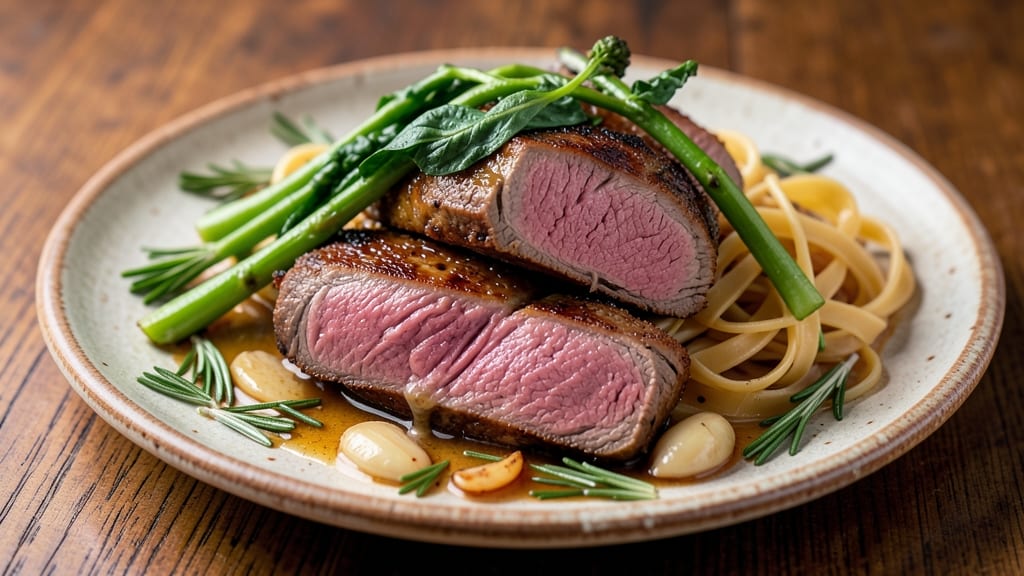
This Roman-style beef and briccoli recipe brings the heart of Italy to your kitchen with tender beef, al dente pasta, and a rich, aromatic broth that tastes like home. 🌟 The secret lies in slow-cooked beef that melts in your mouth and a sauce so flavorful it transforms simple ingredients into something extraordinary.
I developed this dish after years of perfecting the balance between bold flavors and comforting textures—every bite delivers that perfect harmony of savory, umami, and fresh herbs.
The foundation of this recipe is a slow-cooked beef broth infused with garlic, rosemary, and white wine, which forms the base for the dish.
While the beef simmers, the briccoli (or broccoli rabe, if that's what you have) gets sautéed just until tender-crisp, adding a peppery kick that cuts through the richness of the beef.
The pasta—traditionally tonnarelli or spaghetti—absorbs the flavorful sauce while staying al dente, ensuring each bite is packed with texture and taste.
What you’ll end up with is a restaurant-quality dish that’s hearty enough for a family dinner but elegant enough for a special occasion. The beef, tender and juicy, falls apart easily, while the sauce coats everything in a velvety, herb-infused blanket of flavor.
The briccoli adds a vibrant green contrast, balancing the dish with its slightly bitter, earthy notes. This isn’t just a meal—it’s a taste of Rome, brought to life in your own kitchen.
Perfect for chilly evenings or when you crave something comforting yet sophisticated, this recipe is designed to impress without requiring advanced skills. The slow cooking does most of the work, so you can relax while the flavors develop.
Once you try it, you’ll never go back to store-bought pasta dishes again. Let’s get cooking!
Ingredients for beef and briccoli
Tender beef, peppery briccoli, and al dente pasta—this Roman classic needs just 13 ingredients for big flavor.
| Ingredient | Amount | Notes |
|---|---|---|
| Beef Chuck Roast 🥩 | 1 ½ lb | Pre-cut into 1-inch cubes |
| Briccoli (or Broccoli Rabe) 🥬 | 1 lb | Trimmed, tough stems removed |
| Tonnarelli or Spaghetti 🍝 | 12 oz | Al dente preferred |
| Garlic Cloves 🧄 | 6 cloves | Minced finely |
| Fresh Rosemary 🌿 | ¼ cup | Chopped, stems removed |
| Dry White Wine 🍷 | ½ cup | Bold variety preferred |
| Beef Broth 💧 | 2 cups | Homemade or quality store-bought |
| Extra-Virgin Olive Oil 🫒 | ¼ cup | For sautéing |
| Salt 🧂 | 1 ½ tsp | Diamond Crystal preferred |
| Ground Black Pepper 🌶️ | ½ tsp | Freshly ground |
| Pecorino Romano Cheese 🧀 | ½ cup | Freshly grated |
| Lemon Zest 🍋 | 1 tsp | From 1 large lemon |
| Red Pepper Flakes 🔥 | ¼ tsp | Optional, for heat |
The beef is everything here. Chuck roast gives you that melt-in-your-mouth texture, but if you can't find it, chuck steak or even flank steak works in a pinch. I always grab mine from Whole Foods or my local butcher—they cut it into perfect 1-inch cubes for me. For briccoli, Trader Joe's has great pre-trimmed bunches, but regular broccoli rabe works just as well. Look for bright green leaves with no yellowing. The pasta? De Cecco tonnarelli is my go-to, but any good-quality spaghetti does the trick. Just don't skip the al dente rule—it's non-negotiable for this dish.
No white wine? Substitute with extra beef broth plus a splash of apple cider vinegar—it mimics the acidity. Fresh rosemary is ideal, but dried rosemary at half the amount works if you're in a hurry. The Pecorino Romano should be freshly grated—pre-grated tastes like sawdust. For the lemon zest, use a microplane to get fine, flavorful strips. The red pepper flakes are optional, but I always include them for a little kick. If you can't find briccoli, substitute with broccoli florets—just blanch them first to soften them up.
This dish tastes even better the next day—honestly, the flavors meld into something magical. Store leftovers in the fridge for up to 4 days, or freeze for 3 months. I like to portion mine into containers so I can grab a quick lunch. The pasta reheats beautifully in the sauce, so just warm it through with a splash of water or broth. The broth base keeps well too—make extra and freeze it for future soups or braises.
Why You'll Love This Recipe
- Weeknight Warrior: I swear by this for nights when I’m too tired to fuss—just sear the beef, toss in the briccoli and garlic, and let it slow-cook. The rosemary releases its magic while I’m doing laundry, so by the time I sit down, dinner’s ready.
- Umami Bomb: That beef chuck roast? It turns tender and rich, while the briccoli adds a peppery bite that cuts through the fat. Honestly, the garlic and rosemary make this taste like a fancy Italian restaurant, but with zero pretension.
- Leftovers for Days: Between us, this recipe doubles better than my ex’s excuses. The beef stays juicy for days, and the pasta reheats like it was just made—no sad, rubbery noodles here. I freeze portions too, because laziness is a virtue.
- Budget Flex: A chuck roast stretches farther than my patience on grocery day, and briccoli’s cheap but packs flavor like its $20 cousin. Swap tonnarelli for spaghetti if you’re feeling broke, and no one will notice—except your wallet, which will thank you.
Step-by-step instructions for Roman-style beef and briccoli
Here's how to create a rich, aromatic beef broth with perfectly al dente pasta.
🔥 Step 1: Sear the Beef Chuck for Deep Flavor
Heat the 0.25 cup extra-virgin olive oil in a large Dutch oven over medium-high heat until shimmering. Add the 1.5 lb pre-cut beef chuck roast in a single layer and let it sear undisturbed for 3-4 minutes until deeply browned on all sides. This creates the Maillard reaction that builds rich, caramelized flavors.
I press down gently on the beef cubes during the first minute—this prevents them from curling and ensures even contact with the pan. Once browned, transfer the beef to a plate and set aside. Don't drain the oil; those browned bits are pure flavor gold.
🍳 Step 2: Build the Aromatic Base
In the same Dutch oven, add the 6 cloves minced garlic and 0.25 cup chopped fresh rosemary (stems removed). Cook for 1-2 minutes until the garlic becomes fragrant but doesn't brown—burnt garlic makes everything bitter. Stir constantly to prevent burning.
Pour in the 0.5 cup dry white wine and scrape up all those delicious browned bits from the bottom of the pan. Let the wine simmer for 2-3 minutes until reduced by half. This step deglazes the pan and infuses the wine's acidity into the base.
🥘 Step 3: Simmer the Beef in Rich Broth
Return the seared beef to the Dutch oven. Add the 2 cups beef broth, 1.5 tsp salt, and 0.5 tsp ground black pepper. Bring to a gentle boil, then reduce heat to low and cover partially. Let the beef simmer for 1.5-2 hours until fork-tender—you'll see the meat fibers pull apart easily when tested.
About 30 minutes before the beef is done, add the 1 lb trimmed briccoli to the pot. The greens will wilt and absorb all that beefy flavor. Stir occasionally and add a splash of water if the liquid reduces too much—you want the briccoli to stay tender but still retain some bite.
🍳 Step 4: Prepare the Al Dente Pasta
While the beef simmers, bring a large pot of water to a rolling boil. Add 12 oz tonnarelli or spaghetti and 1 tsp salt (Diamond Crystal preferred). Cook until 1 minute before al dente—you want it to finish cooking in the hot broth. Reserve 1 cup pasta water before draining.
I always taste the pasta before draining to ensure it's perfectly al dente. The pasta should have a slight resistance in the center but still be tender. This step ensures the pasta absorbs the beef broth's rich flavors without becoming mushy.
🥘 Step 5: Combine and Finish with Bright Flavors
Remove the beef from the broth and let it rest for 5 minutes before slicing it into ½-inch thick pieces. Discard any large briccoli stems and roughly chop the greens. In a large serving bowl, combine the sliced beef, briccoli, and drained pasta.
Ladle the beef broth over the pasta mixture, adding enough to lightly coat everything. Stir in the 0.5 cup freshly grated Pecorino Romano cheese, 1 tsp lemon zest, and 0.25 tsp red pepper flakes (if using). Add 2-3 tablespoons of reserved pasta water to create a silky sauce that clings to every strand of pasta.
Pro Tips For Making Beef And Briccoli
- Sear the Chuck Roast First: I learned this the hard way—skipping the sear means flavor hiding in plain sight. Hit that chuck roast with a hot pan and 2 tablespoons of oil until deep brown on all sides (yes, even if you're impatient like me). The crust locks in juices and makes the final sauce taste like it simmered for hours instead of minutes.
- Trim the Briccoli Like a Pro: Those thick stems on broccoli rabe are tough—no amount of chewing will fix that. Use a sharp knife to slice them lengthwise into thin strips (about 1/8-inch thick) before cooking. They’ll soften faster and actually taste good, not like chewy shoelaces.
- Salt the Pasta Water Aggressively: This isn’t the prettiest method, but it’s the tastiest. Toss in at least 1 tablespoon of salt per 4 quarts of water—more if you’re using unsalted butter later. The pasta should taste like the ocean when you bite into it, and that’s non-negotiable for balancing the beef’s richness.
- Deglaze with Red Wine Early: Don’t wait until the end to scrape up those browned bits—do it right after searing the beef. Add 1/2 cup of red wine (like Chianti) and let it bubble for 2 minutes. The alcohol burns off, leaving behind deep flavor that’ll marry perfectly with the rosemary and garlic when you add them later. (Skip this? You’ll miss out on the thing that matters most.)
Wine and beer pairings for these flavors
Italian White Wine
For this Roman-inspired dish, a crisp, dry white wine with citrus and herbal notes is essential. I always reach for a Vermentino from Sardinia or a Fiano di Avellino from Campania—both have enough acidity to cut through the richness of the beef while complementing the rosemary and garlic.
If you can’t find these, a Pinot Grigio from Alto Adige works beautifully. Avoid heavy, oaked whites—they’ll overpower the delicate flavors. 🍷
Bold Red Wine
If you prefer red, opt for a light-bodied Italian red like Chianti Classico or Montepulciano d’Abruzzo. These wines have enough structure to stand up to the beef’s depth but aren’t so tannic that they clash with the dish.
Serve slightly chilled (around 55°F) to enhance the wine’s freshness. A Sangiovese-based blend is my go-to for this dish—it mirrors the rustic, earthy notes in the sauce.
Beer Pairings
A crisp Italian lager like Peroni or Moretti is my top choice—its clean, slightly malty profile balances the dish’s richness without competing. For craft beer lovers, a Belgian witbier (like Hoegaarden) adds a bright, citrusy contrast to the rosemary and lemon zest.
Avoid heavy stouts or IPAs—they’ll overpower the delicate flavors. A light Italian pilsner also works well if you want something even lighter. 🍺
Non-Alcoholic Options
For a refreshing non-alcoholic pairing, try a sparkling blood orange soda like San Pellegrino Aranciata Rossa. The citrus notes echo the lemon zest in the dish, while the bubbles cleanse your palate.
Alternatively, a chilled hibiscus iced tea (like Tazo Hibiscus) adds a floral, slightly tart contrast that pairs surprisingly well with the beef’s savory depth. Both options keep the meal feeling light and balanced.
Wine Service Tips
Serve the wine at room temperature (around 60-65°F) for whites and 65-70°F for reds. I like to decant the wine for 15-20 minutes before serving to open up its aromas—this enhances the wine’s ability to complement the dish’s complex flavors.
For beer, serve at 45-50°F to preserve its crispness. Pro tip: Let the wine breathe alongside the dish while it rests—it makes all the difference! 💫
Nutrition facts
Frequently asked questions
What's the best substitute for briccoli if I can't find it?
If you can't find briccoli, use broccoli rabe (the closest match) or broccoli florets that you've blanched for 1-2 minutes first. For a milder flavor, spinach or kale works too—just add them in the last 10 minutes of cooking to avoid wilting.
Can I make this dish ahead of time?
This dish tastes even better the next day. Store the cooked beef, briccoli, and broth separately in the fridge for up to 4 days. Reheat gently in a saucepan, then toss with freshly cooked pasta and a splash of reserved pasta water. The flavors meld beautifully overnight!
Why does my beef turn out tough instead of tender?
Tough beef usually means it wasn't cooked long enough at a low temperature. For perfect tenderness, simmer the beef for the full 1.5-2 hours on low heat—don't rush it! Also, make sure your Dutch oven has enough liquid to keep the beef submerged. If it's too dry, add a splash of broth.
Can I use ground beef instead of chuck roast?
Ground beef won't give you the same melt-in-your-mouth texture, but you can use it if that's all you have. Brown it well first, then add 1 tablespoon tomato paste to deepen the flavor. Cook it for 5-7 minutes until fully done before adding the broth. It won't be as tender, but it'll still be delicious!
How do I make the sauce thicker without adding flour?
Simmer the broth uncovered for 5-10 minutes to reduce it naturally. For extra thickness, mash some of the cooked briccoli into the sauce or stir in 1 tablespoon of reserved pasta water mixed with 1 teaspoon cornstarch. The pasta will also help absorb excess liquid as it cooks.