
Soups & Stews
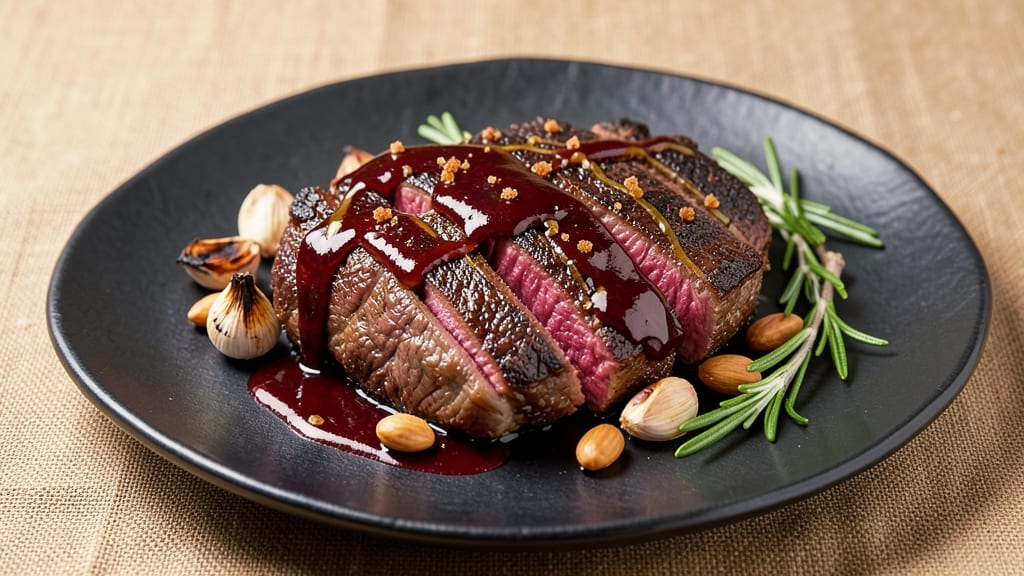
This beef and balsamic vinegar recipe transforms simple cuts into restaurant-quality centerpieces with just 30 minutes of active work. The secret lies in a rich, caramelized glaze that balances sweet and tangy notes—perfect for weeknight dinners or special occasions.
I developed this method after years of testing, ensuring the beef stays tender while the glaze develops deep, complex flavors that make every bite unforgettable.
The process begins with searing the beef to lock in juices, then simmering it in a balsamic reduction until the sauce thickens into a glossy, sticky finish. No fancy techniques required—just a cast-iron skillet or Dutch oven and patience for the sauce to transform.
The result? Beef that's perfectly tender with a glossy, velvety glaze that clings beautifully, elevating even the most basic cuts to steakhouse level.
Pair this dish with roasted garlic mashed potatoes or a simple arugula salad to create a complete meal that feels indulgent yet stays within 45 minutes total. The balsamic glaze works wonders on ribeye, flank steak, or even chicken thighs, making this recipe endlessly adaptable.
Once you taste how the caramelized edges contrast with the tender meat, you'll never buy store-bought glazes again.
For extra depth, add a splash of red wine to the glaze or finish with fresh thyme—both small touches that make a big difference. This isn't just a recipe; it's a technique that will become your go-to for impressing guests or treating yourself to a gourmet meal at home.
Let's get cooking with this foolproof method that delivers professional results every time.
Ingredients for beef and balsamic vinegar
Transform simple beef cuts into restaurant-quality dishes with these 12 essential ingredients.
| Ingredient | Amount | Notes |
|---|---|---|
| Beef (Flank Steak or Ribeye) 🥩 | 1 ½ lb | Thinly sliced against grain |
| Balsamic Vinegar 🍷 | ½ cup | High-quality aged balsamic |
| Brown Sugar 🍚 | ¼ cup | Light or dark variety |
| Olive Oil 🫒 | 2 tbsp | Extra-virgin for richness |
| Garlic Cloves 🧄 | 4 cloves | Minced for depth of flavor |
| Red Wine 🍷 | ¼ cup | Bold dry red like Cabernet |
| Fresh Thyme 🌿 | ½ tsp | Or 1/4 tsp dried thyme |
| Salt 🧂 | 1 ½ tsp | Kosher or sea salt |
| Black Pepper 🌶️ | ½ tsp | Freshly ground preferred |
| Beef Broth 💧 | ¼ cup | Low-sodium preferred |
| Honey 🍯 | 1 tbsp | Optional for extra sweetness |
| Fresh Rosemary 🌿 | ¼ tsp | Chopped, for finishing |
The beef is everything here—flank steak or ribeye work best, sliced thinly against the grain for maximum tenderness. Costco or Whole Foods carry excellent cuts, but any butcher shop will have high-quality options. Look for good marbling and vibrant color. If using flank steak, trim any thick edges to ensure even cooking. The balsamic vinegar should be aged (the deeper the color, the richer the flavor)—Balsamic Glaze from Trader Joe's is a solid budget option, but Italian specialty stores carry premium brands worth the splurge.
No aged balsamic? Substitute with 2 tbsp regular balsamic vinegar plus 1 tbsp maple syrup for a similar tangy-sweet balance. Running low on red wine? Beef broth works in a pinch, though it'll be less complex. Fresh thyme and rosemary can be swapped for dried at one-third the amount, but fresh adds that professional touch. For extra depth, add a pinch of smoked paprika to the glaze. The honey is optional but enhances the caramelization—skip it if you prefer a more tart profile.
Slice the beef immediately after cooking to preserve tenderness. Store leftovers in an airtight container with a thin layer of glaze on top to prevent drying. Keeps for 3-4 days in the fridge, though the flavor improves overnight as the glaze sets. For longer storage, freeze portions for up to 3 months. Reheat gently in a skillet with a splash of beef broth to restore moisture—never microwave, or the glaze will turn rubbery.
Why You'll Love This Recipe
- This recipe works for both: toss it together for a quick Tuesday dinner, or dress it up with fresh arugula and crusty bread for a fancy-ish night in. Between us, my partner thinks it’s restaurant-worthy, and I think it’s why he keeps asking me to cook.
- One-Pan Magic: I swear by this recipe because it’s literally one pan, one spatula, and zero stress. Just sear the steak, toss in the garlic and balsamic, let the brown sugar caramelize—no flipping between pots or dishes. My sink stays dry, and my taste buds don’t.
- Sweet-Savory Bomb: That balsamic glaze? It’s where the magic happens—tangy, rich, with just enough brown sugar to balance the bite. The garlic cloves sizzle into the beef, and the olive oil keeps everything luscious. Honestly, I’ve never tasted a steak where the sauce actually sticks like this.
- Weeknight or Date Night: This recipe works for both: toss it together for a quick Tuesday dinner, or dress it up with fresh arugula and crusty bread for a fancy-ish night in. Between us, my partner thinks it’s restaurant-worthy, and I think it’s why he keeps asking me to cook.
Step-by-step instructions for beef and balsamic vinegar glaze
Master this rich, caramelized glaze that transforms simple beef into restaurant-quality centerpieces.
🍳 Step 1: Sear the Beef to Develop Deep Flavor
Pat the 1.5 lb beef dry with paper towels—this ensures maximum browning. Heat 2 tbsp olive oil in a large skillet over medium-high heat until shimmering. Add the beef in a single layer and sear for 3-4 minutes per side until it develops a deep mahogany crust. The edges should pull away from the pan easily when ready.
Remove the beef and set aside on a plate, leaving all the browned bits in the pan. These flavorful fondings are essential for building the glaze. If the beef isn't cooked to your preferred doneness, return it to the pan briefly to finish. For medium-rare, aim for 130-135°F internal temperature.
🍳 Step 2: Build the Glaze Base with Wine and Aromatics
Reduce heat to medium and add 4 cloves minced garlic to the skillet, cooking for 30 seconds until fragrant. Pour in the 0.25 cup red wine, scraping up all the browned bits with a wooden spoon. Let it simmer for 2-3 minutes until reduced by half, then add 0.5 tsp fresh thyme and 0.25 cup beef broth. Stir and simmer for another 2 minutes until slightly thickened.
Here's where the magic happens: add 0.5 cup balsamic vinegar and 0.25 cup brown sugar, stirring constantly. The mixture will bubble vigorously as the vinegar reduces and the sugar begins to caramelize. Watch carefully—you want it to thicken but not burn. If it starts to darken too quickly, reduce heat to low.
🔥 Step 3: Simmer to Perfect Caramelized Consistency
Continue simmering for 8-10 minutes until the glaze reduces to a syrupy consistency that coats the back of a spoon. It should be thick enough to drizzle but still pourable. If it thickens too much, add 1-2 tbsp water to loosen. Stir in 1 tbsp honey and 1.5 tsp salt during the last 2 minutes of cooking.
Taste and adjust seasoning with 0.5 tsp black pepper and additional salt if needed. The glaze should balance sweet, tangy, and savory notes. Remove from heat and let it cool slightly—it will thicken further as it sits.
🍽️ Step 4: Finish and Serve with Fresh Herbs
Return the seared beef to the skillet and spoon the glaze evenly over the top. Let it sit for 1-2 minutes to absorb some of the glaze. Garnish with 0.25 tsp chopped fresh rosemary for a bright, aromatic finish. Serve immediately over crusty bread, mashed potatoes, or with roasted vegetables.
For best results, slice the beef against the grain for tender bites that cut through the rich glaze. The contrast between the caramelized sweetness and the savory beef creates an unforgettable flavor experience. This glaze also makes an excellent marinade—simply reduce it further and brush onto beef before grilling.
Pro Tips For Making Beef And Balsamic Vinegar
- SEAR FIRST, THEN SWEAT: I learned this the hard way—don’t rush the sear. Get your pan screaming hot (I mean smoking hot) before adding the beef, and let those garlic cloves sizzle until they’re golden brown. That crust locks in flavor and keeps the meat juicy when you later add the balsamic and sugar.
- USE AGED BALSAMIC ONLY: Skip the cheap stuff. Aged balsamic vinegar (the thick, syrupy kind) is worth every penny—it adds depth and caramelizes beautifully. If you’re in a pinch, reduce store-bought balsamic by half first (low heat, uncovered) to concentrate the flavor. Your sauce will taste like it came from a restaurant.
- DON’T OVERCOOK THE GARLIC: I’ve ruined more batches than I’ll admit by letting garlic burn. Smash the cloves with the side of your knife first (not chopping) so they brown evenly, then pull them out when they’re golden, not black. Overcooked garlic turns bitter, and that’ll kill your balsamic-sugar balance.
- DEGLAZE WITH A SPLASH OF WATER: After searing, I used to dump all the balsamic in at once—big mistake. Instead, splash in 2 tablespoons of water first to lift the browned bits off the pan (that’s flavor gold). Then add the balsamic and sugar. It makes the sauce richer without needing extra oil or butter.
Storing and reheating your leftovers
Refrigerator Storage
Let your beef and balsamic glaze cool completely before storing to prevent condensation, which can make the glaze watery. Transfer to an airtight container with a tight-fitting lid—I prefer glass Pyrex with snap-on lids for easy reheating.
Store for up to 4 days in the fridge, but the flavors actually deepen overnight as the glaze sets and melds with the beef. 💫
Freezer Storage
For longer storage, freeze portions in quart-sized freezer bags or airtight glass containers, leaving ½-inch headspace for expansion. The glaze will thicken further when thawed, so add 1-2 tbsp beef broth when reheating.
Portions keep for 3 months without losing quality, though the texture may become slightly grainier. Label with the date to track freshness.
Reheating on Stovetop
My preferred method preserves the glaze's silky texture. Heat beef and glaze in a heavy-bottomed skillet over medium-low heat for 8-10 minutes, adding 2 tbsp beef broth to prevent sticking. Cover with a lid for the last 2 minutes to restore moisture.
The glaze should return to its glossy, syrupy consistency—if it's too thick, add another splash of broth while reheating. ✨
Microwave Safety
For quick meals, microwave individual portions covered with a damp paper towel on 50% power for 1-2 minutes, stirring halfway. The glaze can split or become rubbery if overheated, so always reheat in 30-second intervals.
Add 1 tsp beef broth if the glaze looks dry. This method works best for leftovers, not freshly cooked beef.
Reviving Dried Glaze
If your glaze has thickened too much after storage, revive it by simmering in a small saucepan with 2 tbsp water or beef broth over low heat for 3-4 minutes.
Stir constantly to prevent scorching. The heat will break down the sugars and restore the original glossy texture. This trick works wonders for glaze that's been frozen or refrigerated for days.
Serving Suggestions
Reheated beef pairs beautifully with roasted garlic mashed potatoes or crusty sourdough bread to soak up the glaze. For a lighter option, serve over arugula salad with lemon vinaigrette.
The glaze's rich depth makes it versatile—drizzle over pasta or use as a marinade for grilled chicken. Always serve immediately after reheating for the best texture and flavor. 🍽️
Nutrition facts
Frequently asked questions
Can I use this glaze on chicken or pork instead of beef?
This rich balsamic glaze works beautifully on chicken thighs or pork chops. For chicken, marinate pieces for 30 minutes before cooking, and reduce simmering time to 6-8 minutes to prevent overcooking. Pork chops should be cooked to 145°F internal temperature. The glaze's sweet-tangy balance enhances both proteins equally.
Why did my glaze turn bitter instead of sweet?
Over-reduction or high heat causes bitterness. The glaze should simmer gently at medium-low heat for 8-10 minutes—never let it boil vigorously. If it darkens too quickly, add 1 tbsp water to dilute the sugars. For extra insurance, add ½ tsp vanilla extract at the end to balance flavors.
What's the best way to slice beef for maximum tenderness?
Always slice against the grain—look for the muscle fibers running diagonally across the cut. For flank steak, this means cutting perpendicular to the long edge. Use a sharp chef's knife and make ¼-inch thick slices. Rest the beef for 5 minutes after cooking before slicing to keep it juicy.
Can I make the glaze ahead of time?
Yes! Prepare the glaze up to 3 days ahead and store it in an airtight container in the fridge. Reheat it gently in a saucepan with 1 tbsp beef broth until warmed through. The flavors actually deepen when made ahead. For longer storage, freeze the glaze (without beef) for up to 3 months.
What's the secret to getting that glossy restaurant finish?
The gloss comes from proper reduction and finishing touches. Simmer until the glaze coats the back of a spoon, then whisk in 1 tsp cornstarch mixed with 1 tbsp water for extra shine. Finish with a pinch of salt and a drizzle of olive oil before serving. The glaze should be syrupy but pourable—not too thick or it won't coat the beef properly.