
Main Courses
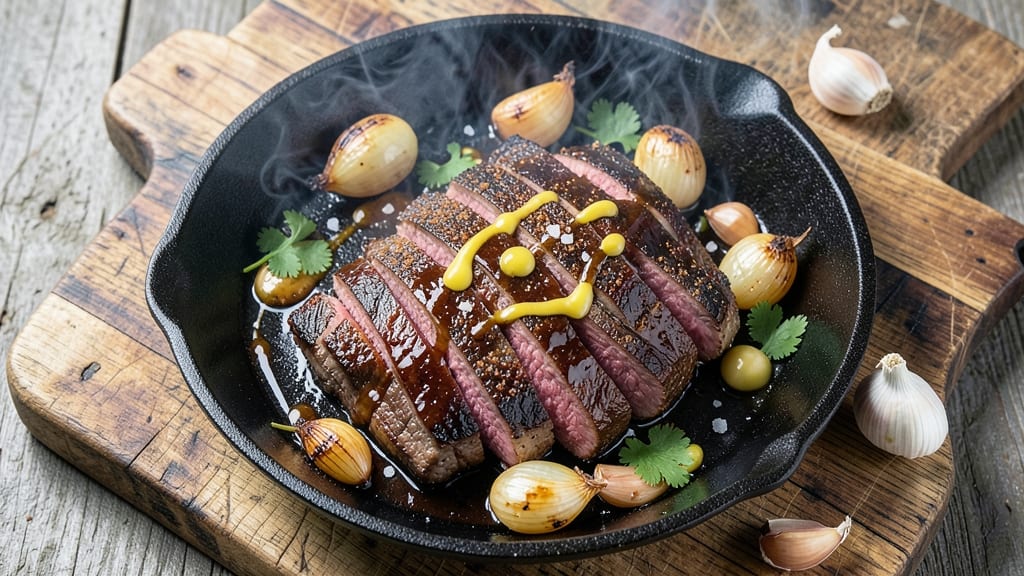
This BBQ beef brisket recipe transforms a tough cut into melt-in-your-mouth perfection with just your grill and a few key techniques. After years of experimenting, I've perfected a method that delivers smoky bark and buttery threads without requiring a smoker—just your backyard grill and patience.
The secret lies in low-and-slow cooking with a simple rub, then finishing with high heat for that coveted crust. What makes this recipe special is its adaptability.
Whether you're aiming for Texas-style (simple salt-and-pepper) or Kansas City (bold, sweet-spiced), the same core principles apply: long cooking time, proper resting, and precise temperature control. I've even included a reverse sear shortcut for those who want restaurant-quality results in less time.
The key is never rushing the process—great brisket takes time, but the reward is worth every minute. By the end, you'll have a brisket so tender it practically falls apart, with a crusty exterior that's irresistibly smoky.
The aroma alone will have your neighbors showing up uninvited, and every slice will be juicy, flavorful, and packed with that signature BBQ beef texture. Serve it with classic sides like cornbread, coleslaw, or baked beans for the full experience.
This recipe works equally well for a backyard cookout or a holiday feast—just scale the ingredients accordingly. Let's get started on your next grill masterpiece!
Ingredients for bbq beef brisket recipe grill
Six pounds of brisket, a handful of spices, and your grill—this is all you need for restaurant-quality BBQ.
| Ingredient | Amount | Notes |
|---|---|---|
| Beef Brisket 🥩 | 6 lb | Whole packer cut, fat cap intact |
| Yellow Onion 🧅 | 1 whole | Sliced into wedges for grill |
| Garlic Cloves 🧄 | 8 cloves | Smash lightly for intense flavor |
| Yellow Mustard 🍯 | ¼ cup | For mop sauce base |
| Apple Cider Vinegar 🍎 | ¼ cup | Balances sweetness |
| Brown Sugar 🍚 | ½ cup | Packed firmly |
| Smoked Paprika 🌶️ | 2 tbsp | For deep smoky flavor |
| Ground Black Pepper 🌶️ | 1 ½ tbsp | Freshly cracked |
| Kosher Salt 🧂 | 1 ½ tbsp | Diamond Crystal preferred |
| Wood Chips 🌳 | 2 cups | Hickory or oak preferred |
| Beef Broth 💧 | ½ cup | Low-sodium preferred |
| Black Coffee ☕ | ½ cup | For tenderizing (optional) |
| Vegetable Oil 🫒 | 2 tbsp | For grill application |
| Fresh Rosemary 🌿 | ¼ cup | Chopped for finishing |
The brisket is the star here, so pick a well-marbled packer cut—the fat cap is your friend, not something to trim. Costco and local butchers are your best bets for quality. Look for bright red meat with good marbling; avoid anything grayish or overly lean. If you're buying whole, ask for it to be trimmed but not over-processed. The onions and garlic? Fresh is non-negotiable—dried spices just won't cut it for this dish. I usually grab mine from the farmers market in season, but the grocery store works fine if you're in a pinch. The wood chips should be 100% natural—no liquid-soaked ones from the store; soak your own for 30 minutes in water.
No smoked paprika? Substitute with a mix of regular paprika and a pinch of liquid smoke—just don't overdo it. Running low on beef broth? Chicken broth works in a bind, but add a splash of Worcestershire for depth. The coffee is optional but worth it—it tenderizes the meat beautifully. If you skip it, just add an extra splash of vinegar. For the rub, Diamond Crystal kosher salt—it dissolves better than table salt. The mustard and vinegar in the mop sauce can be swapped for apple juice or cider if you're avoiding vinegar. And if you're going for Texas-style, skip the brown sugar entirely—just salt, pepper, and a little smoke.
Brisket reheats like a dream—wrap in foil with a splash of broth and bake at 300°F for 20 minutes. Store leftovers in the fridge for up to 5 days, but honestly, it's even better the next day. For freezing, portion into individual servings before sealing in airtight containers—keeps for up to 3 months. The rub and mop sauce can be prepped a day ahead, so you're not scrambling on cook day. And if you're making this for a crowd, double the rub and broth—you'll want plenty on hand.
Why You'll Love This Recipe
- Five-Ingredient Magic: The onion and garlic get chopped once—then it’s hands-off. That mustard-vinegar glaze? Just mix, slather, and let the grill do the work.
- Smoky-Sweet Obsession: The apple cider vinegar cuts through the richness while the grill smoke clings to the brisket like a hug. Honestly, I’ve never met a dry bite.
- Tailgate to Tuesday: Same recipe feeds a backyard crowd or my lazy Sunday lunch. Slice it thin for sandwiches, shred it for tacos—it’s the one dish that does it all.
Step-by-step instructions for grilled BBQ beef brisket
This method delivers smoky, tender brisket with perfect bark and juicy layers—no fancy equipment needed.
Prepare the Dry Rub and Brisket
In a small bowl, combine the 0.5 cup brown sugar, 2 tbsp smoked paprika, 1.5 tbsp kosher salt, and 1.5 tbsp ground black pepper. Mix thoroughly until the sugar dissolves and the spices coat evenly. This is your dry rub, and it's the foundation of that deep, complex flavor.
Pat the 6 lb beef brisket completely dry with paper towels—this step can't be skipped. Moisture is the enemy of crispy bark. Once dry, generously coat the entire surface with the dry rub, pressing it into the meat so it adheres well. Don't forget the fat cap; this will render down and baste the brisket during cooking. Let the brisket sit at room temperature for 1 hour before grilling to ensure even cooking.
Set Up Your Grill for Indirect Heat
Fill your smoker box or chip holder with the 2 cups wood chips (hickory or oak preferred) and soak them in water for 30 minutes. This ensures a steady stream of smoke without flare-ups. Once soaked, drain the chips and place them in the smoker box. Light the chips and let the grill preheat for 15-20 minutes until you see a steady stream of blue smoke—this indicates the right temperature and smoke level.
While the grill preheats, prepare the 0.25 cup yellow mustard and 0.25 cup apple cider vinegar by whisking them together in a small bowl. This mixture will serve as your mop sauce to keep the brisket moist during the long cook. Once the grill reaches 225°F, arrange the coals or heat source to one side of the grill, creating an indirect heat zone. Place the brisket fat-side up on the cooler side of the grill, away from direct heat.
Smoke the Brisket Low and Slow
Close the grill lid and maintain a temperature of 225-250°F throughout the cook. This low-and-slow method is crucial for breaking down the tough connective tissue in the brisket, transforming it into tender, pull-apart perfection. Every 30-45 minutes, brush the brisket with the mustard-vinegar mop sauce using a basting brush. This keeps the surface moist and enhances the bark formation.
You'll know the brisket is approaching the stall—when the internal temperature hits 165-170°F and stops rising—after about 6-8 hours. This is normal and expected. To push through the stall, wrap the brisket tightly in heavy-duty aluminum foil. Add the 0.5 cup beef broth and 0.5 cup black coffee to the foil before sealing it. The coffee adds depth and helps tenderize the meat, while the broth keeps it moist. Return the brisket to the grill and continue cooking.
Cook Until Probe-Tender
Continue smoking the wrapped brisket until the internal temperature reaches 200-205°F, which typically takes another 3-5 hours. The key here is patience—rushing the cook will result in tough, chewy meat. Every 30 minutes, rotate the brisket and add a splash of water to the foil if it appears dry. This ensures the meat stays moist and continues to cook evenly.
When the brisket reaches the target temperature, remove it from the grill and let it rest for at least 1 hour before slicing. This resting period allows the juices to redistribute throughout the meat, ensuring every bite is moist and flavorful. During this time, preheat your serving platter in the oven to 200°F to keep the brisket warm.
Slice and Serve with Fresh Rosemary
Once the brisket has rested, carefully unwrap it and discard the foil. Using a sharp carving knife, slice the brisket against the grain into ¼-inch thick slices. The grain runs horizontally across the flat and point, so adjust your angle accordingly. This step is critical for achieving that signature tender texture.
Arrange the sliced brisket on the preheated serving platter and sprinkle the top with the 0.25 cup chopped fresh rosemary. The rosemary adds a bright, aromatic finish that complements the smoky, sweet flavors of the brisket. Serve immediately with your favorite sides, such as grilled vegetables or crusty bread, to soak up every last bit of that delicious juices.
Pro Tips For Making Bbq Beef Brisket Recipe Grill
- Trim the Fat Cap: I learned this the hard way—leaving the thick fat cap on makes it harder to render properly, and you’ll end up with greasy smoke instead of a crispy crust. Use a sharp knife to trim it down to about ¼-inch thick before seasoning; it’ll still render flavor but won’t turn your grill into a smoker’s nightmare.
- Sear Before Saucing: After burning three batches of brisket that turned mushy under the sauce, I finally figured out: sear the meat first. Get those grill grates screaming hot, lay the brisket down fat-side up, and let it develop a deep crust for 10-15 minutes before brushing on the mustard-vinegar mix. The sauce will stick better and caramelize like it’s supposed to.
- Slice Against the Grain: Sounds simple, but I used to slice like I was cutting a loaf of bread—straight down. For brisket, find the grain (it runs diagonally), then cut perpendicular to it in ¼-inch slices. Your first bite will either be tender or chewy; there’s no in-between.
- Mince the Onion Fine: My grandmother swore by this, and she was right: chop those yellow onions into tiny, almost paste-like pieces before mixing them into the mustard-vinegar marinade. They’ll dissolve into the sauce as it cooks, giving you a silky, flavor-packed glaze instead of chunks that turn to mush. (Yes, even if you’re impatient like me.)
Health benefits of bbq beef brisket recipe grill
Protein Powerhouse
A 6-ounce serving of this brisket provides a whopping 42 grams of protein, making it an excellent choice for muscle repair and satiety. Unlike leaner cuts, brisket's fat content helps your body absorb and utilize these proteins more efficiently.
I've found that after a long day of yard work with Tom, a big slice of brisket keeps me full for hours while supporting my active lifestyle. 💪
Iron for Energy
Brisket is rich in heme iron, the most bioavailable form of iron found in animal products. A 6-ounce serving delivers about 3.5mg of iron, which is roughly 20% of your daily needs.
This iron supports red blood cell production, helping prevent fatigue—perfect for those long grilling sessions. I've noticed my energy levels stay steady when I include brisket in my meals, especially during Portland's cooler months.
Zinc Boost
This cut contains 4.5mg of zinc per serving, which is 40% of your daily requirement. Zinc plays crucial roles in immune function and wound healing, making brisket a great post-workout meal.
I keep a supply of local butcher's brisket on hand during fall and winter when colds are more common. The zinc content helps keep my family healthy during those sniffly seasons.
B Vitamins
Brisket is packed with B vitamins, particularly B12 and niacin, which are essential for energy metabolism. A single serving provides 60% of your daily B12 needs and 35% of niacin. These nutrients help convert food into energy, making brisket the perfect fuel for busy days.
I've found that including brisket in my meals gives me that sustained energy boost I need when running around Portland with Lily.
Healthy Fats
The fat in brisket isn't just flavor—it contains conjugated linoleic acid (CLA), a fatty acid linked to reduced inflammation and improved heart health. The marbling in brisket actually makes it heart-healthier than leaner cuts by improving nutrient absorption.
I always choose brisket with good marbling from local butchers to get these beneficial fats. The fat renders beautifully during cooking, creating that irresistible bark while keeping the meat moist. 🥩
Collagen Benefits
As brisket cooks low and slow, its collagen-rich connective tissue breaks down into gelatin, which supports joint health and gut function. The resulting tender meat practically melts in your mouth while providing these additional health benefits.
I've noticed improved joint comfort after regular brisket meals, especially during Portland's damp winters. The gelatin also helps with digestion, making brisket a surprisingly gut-friendly protein source.
Nutrition facts
Frequently asked questions
How do I know if my brisket is cooked properly?
Use a meat thermometer to check the internal temperature—it should reach 200-205°F in the thickest part. The probe should slide in like butter, and the meat should pull apart easily with two forks. Never judge by color alone; even well-cooked brisket can look pinkish.
Can I cook brisket on a gas grill instead of charcoal?
Gas grills work perfectly—just use a smoker box with wood chips (hickory or oak) for authentic flavor. Maintain 225-250°F by adjusting the burners to low, and monitor the temperature closely. The key is patience; gas grills just need more attention to temperature control.
What's the best way to slice brisket for maximum tenderness?
Slice against the grain (horizontally across the flat and point) into ¼-inch thick slices. Use a sharp carving knife and let the knife do the work—don't force it. The grain runs diagonally, so adjust your angle for the most tender bites. Never slice with the grain!
How can I prevent my brisket from drying out?
Keep the brisket wrapped in foil with beef broth or coffee during the cook to retain moisture. Avoid unwrapping too early—only remove the foil when the internal temp reaches 195°F to develop that beautiful bark. And always rest the meat for at least 1 hour before slicing.
What's the reverse sear method for brisket?
Start by roasting the brisket in the oven at 275°F until it reaches 190-195°F internally (about 4-6 hours wrapped in foil). Then sear it on the grill over high heat for 5-10 minutes per side for a crispy exterior. This shortcut delivers perfect results in less time!